
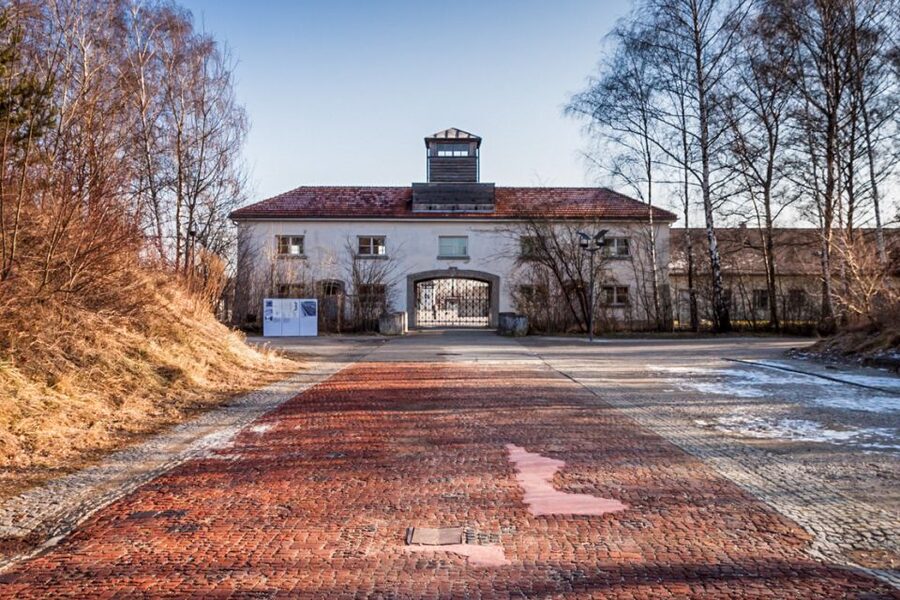
Reviewed · DACHAU CONCENTRATION CAMP TOURS
From Munich: Dachau Memorial Site Full-Day Tour
Dachau is not a sightseeing stop in the usual sense. It was Nazi Germany’s first permanent concentration camp, open throughout the regime’s 12 years, and visiting with a guide helps you understand how the site functioned and what it meant for prisoners. I like that this tour gives you four hours at the memorial and a guide qualified by the site, rather than a hurried visit with little context.
I also like the practical setup: your train and bus fares are included, and the guide leads the trip from central Munich and back. Guides such as Sam, Adam, and Marcin are singled out for clear, sensitive explanations and steady group management. One consideration: this is a long, emotionally demanding visit, with little time for food or breaks once you are inside.
At a glance
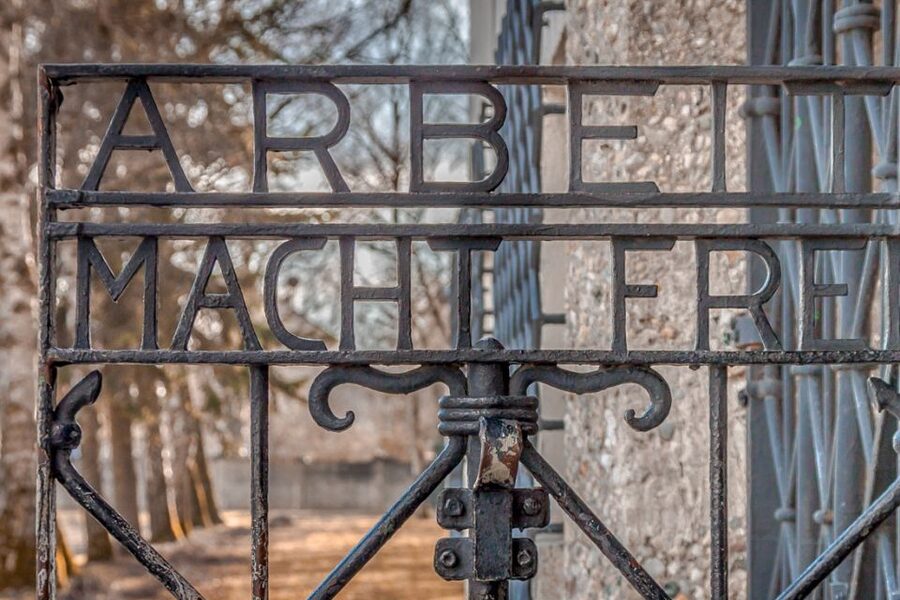
- Dachau’s key sites: Visit the Jourhaus and its Arbeit Macht Frei sign, Appellplatz, the Bunker, barracks, and Barrack X.
- A guide qualified by the memorial: Hear about the camp’s development, daily operations, and the people imprisoned there.
- About six hours door to door: Allow roughly two hours for transport and four hours at the memorial.
- Public transport included: Travel by Munich subway, bus, and train with your guide.
- Best for adult visitors: The tour is not suitable for children under 14, wheelchair users, or people with mobility impairments or respiratory issues.
The journey from Marienplatz to Dachau
Meet your guide at Marienplatz, in front of the Ludwig Beck department store at Marienplatz 11. Look for a white and blue umbrella and signs for the Dachau tour. The central meeting point is useful if you are staying in Munich’s old town, but it is worth checking the location before the day. If you are running late or cannot find the group, call the local partner using the emergency number provided.
The journey takes about 50 minutes each way, with around 40 minutes by subway or train and 10 minutes by bus. Your guide handles the public transport route and keeps the group together, so you do not need to work out the connections on your own. That matters on a day devoted to a difficult subject: fewer small logistics to manage leaves more attention for listening and reflecting.
The transport is public, not a private coach, and it can be crowded. One visitor described both legs as especially packed. You may be standing, and the ride is part of the six-hour outing rather than a quiet transfer with guaranteed seats. The return trip brings the group back to the original Marienplatz meeting point in the late afternoon.
More Dachau memorial tours from Munich:
- Dachau Concentration Camp Memorial Site Tour from Munich by Train
★ 4.5 · 5,637 reviews - From Munich: Dachau Memorial Site Day Tour
★ 4.8 · 2,723 reviews - From Munich: Dachau Memorial Site Half-Day Trip
★ 4.7 · 2,526 reviews
Four hours at a place that needs context
The memorial visit lasts about four hours, including a short break of roughly 15 minutes. The guided portion is listed at about three hours and 50 minutes, so plan for a substantial stretch of walking and listening. This is not a quick look around the entrance and a few exhibits. The guide explains the camp’s origins, its three phases, how it changed over time, and the systems used to register, punish, and control prisoners.
Dachau opened in 1933 and continued operating until 1945. As the first permanent concentration camp established by the Nazi regime, it became a model for the camp system and a tool of terror beyond its fences. A good guide can connect the site’s buildings and open spaces to that larger purpose, giving you a framework for what you are seeing rather than leaving you to piece it together alone.
The subject is grave, and the tour makes no attempt to turn it into entertainment. Guides explain the suffering endured by prisoners and the mechanics of camp life with care. Some guides also share survivor stories they have learned through contact with survivors. These personal accounts can make the history feel human, but the visit remains emotionally heavy. Give yourself time afterward rather than scheduling something demanding immediately.
The Jourhaus and the camp entrance
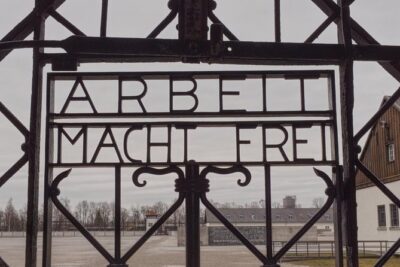
The visit includes the Jourhaus, the entrance building through which prisoners passed into the camp. Its gate bears the infamous Arbeit Macht Frei sign. Seeing it in place is a stark introduction to the gap between Nazi propaganda and the reality of imprisonment.
Your guide can explain why the camp opened and who the first prisoners were, then place the entrance within the camp’s changing history. This is one of the reasons a guided visit is valuable: the building is more than a recognizable symbol. Its role becomes clearer when you hear how the camp operated and how the Nazi regime used it to intimidate people.
Expect the guide to set a measured pace and keep the group organized. The point is not to race from landmark to landmark. You will have time to take in the site and ask questions, though the overall visit has a fixed schedule.
Appellplatz, the Bunker, and the barracks
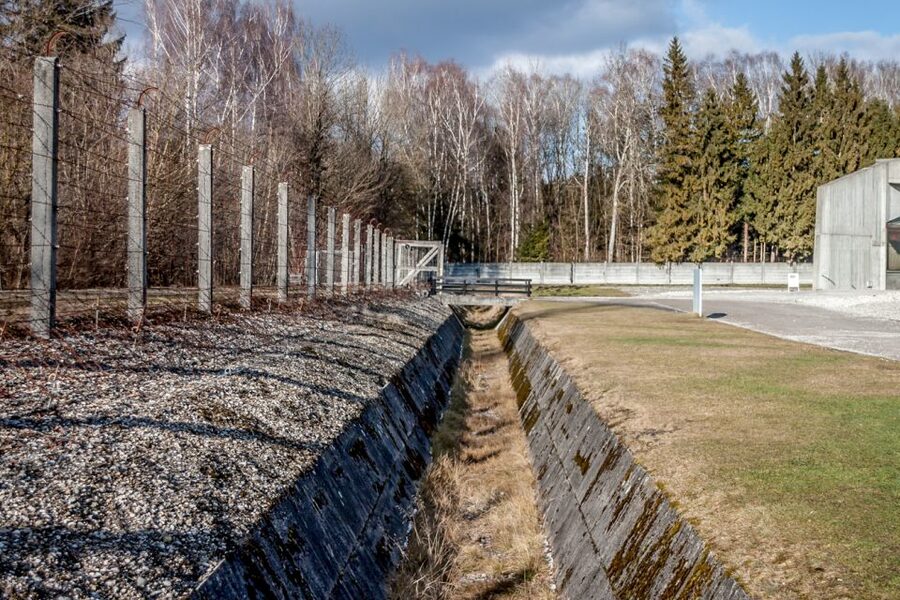
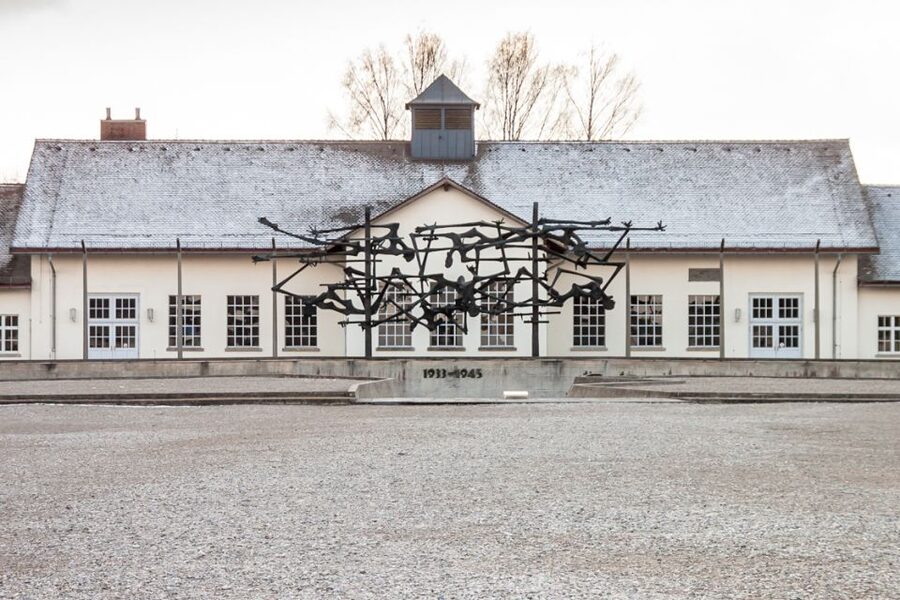
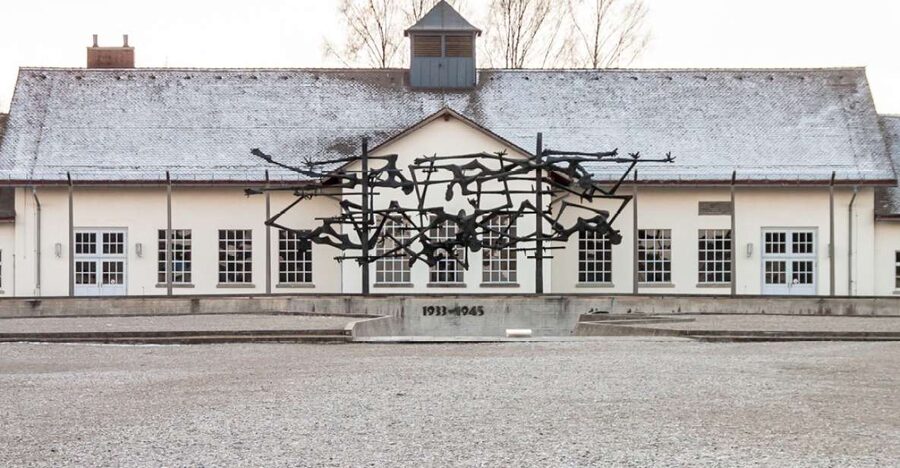
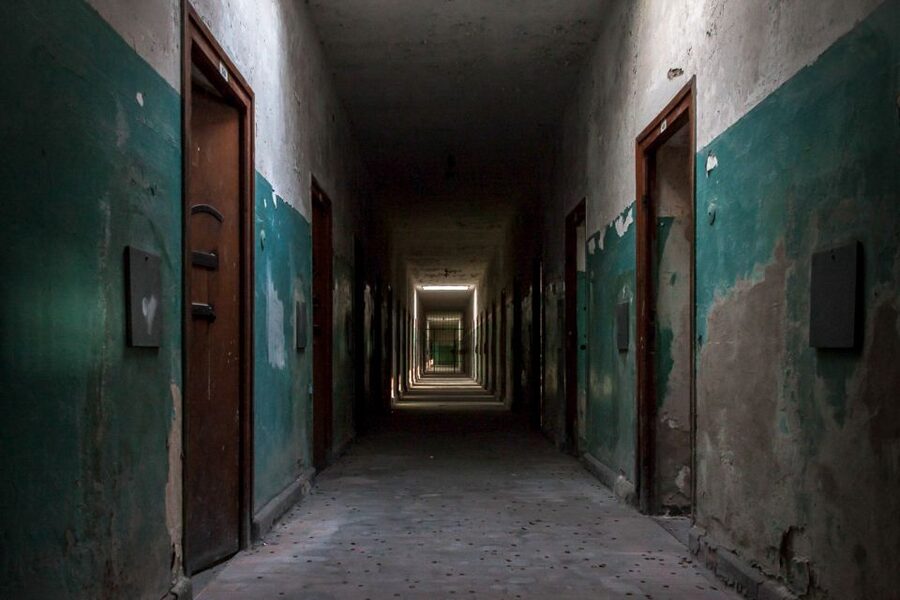
The route also takes in Appellplatz, the roll-call area, along with the Bunker and the barracks. Your guide describes the camp’s daily operations and the conditions prisoners faced. Those explanations are essential: buildings and spaces alone cannot tell you what happened there or how the camp’s routines were imposed.
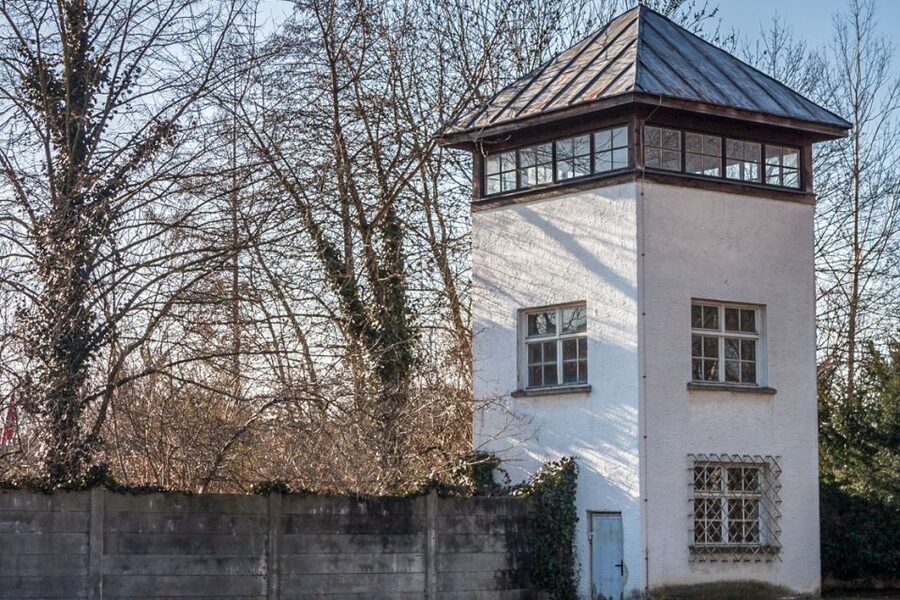
The Bunker and Barrack X are among the named stops. You will also see the SS training facility, referred to as the School of Terror, and other parts of the memorial site. The guide’s commentary links these places to the camp’s structure and to the experiences of prisoners, helping you understand how the site worked as a system rather than as a collection of separate buildings.
There is a lot to absorb. Guides including Sam, Adam, Marcin, Hein, Keith, and Scott have been praised for explaining the history clearly, answering questions, and pacing the group thoughtfully. Adam, in particular, is noted for keeping the plan clear and allowing time to look around independently at suitable points. You should not expect every guide to use the same stories or approach, but the tour is designed to provide a guided route and detailed explanation.
More day trips from Munich:
- From Munich: Neuschwanstein & Linderhof Castle Full-Day Trip
★ 4.5 · 12,494 reviews - Neuschwanstein & Linderhof Castle-Fairytale Day Tour from Munich
★ 4.5 · 7,275 reviews - Neuschwanstein Castle Tour from Munich
★ 4.5 · 5,117 reviews - From Munich: Neuschwanstein Castle Full-Day Trip
★ 4.7 · 3,977 reviews
What the guide adds
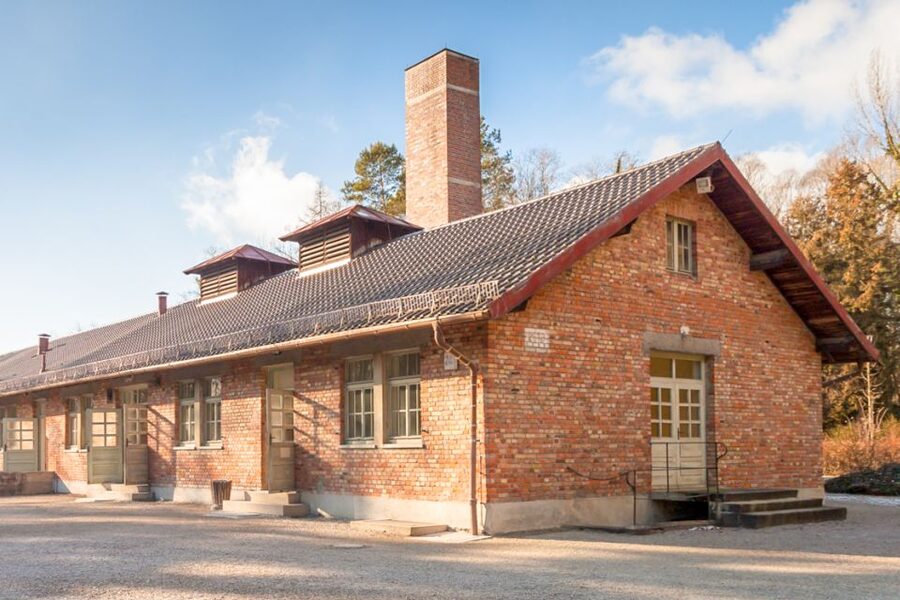
You can visit the Dachau Memorial Site without this tour, but the guide is a large part of the value. A Memorial-qualified guide gives historical context at the locations where it matters, and can help you follow the route through the site without losing time deciding where to go next. That structure is especially helpful if this is your first visit or you have limited time in Munich.
The most praised quality across the named guides is not just a store of facts. It is the ability to explain a painful subject with care, answer questions, and keep the group moving at a sensible pace. Sam is often described as friendly and considerate, including attention to weather, walking pace, and bathroom needs. Marcin is praised for passion and clear explanations; Adam for detailed storytelling and keeping the day organized. These are useful signs of what the guiding style can offer, though guide assignments can vary.
A guide can also help you notice connections that might be easy to miss when you are reading signs alone. One guide’s advice was to read the text, not just look at pictures. That is sound counsel at a memorial where a photograph or building cannot explain itself. Still, the tour is not a substitute for private reflection. You will have moments to look around, but the visit follows a group schedule.
Food, walking, and the emotional pace
Eat a substantial breakfast before you leave. Food is not permitted while touring the memorial, and the break is short. You can bring a snack to eat on the train, but do not count on stopping for a meal during the site visit. Bring water, and choose comfortable shoes and weather-appropriate clothing.
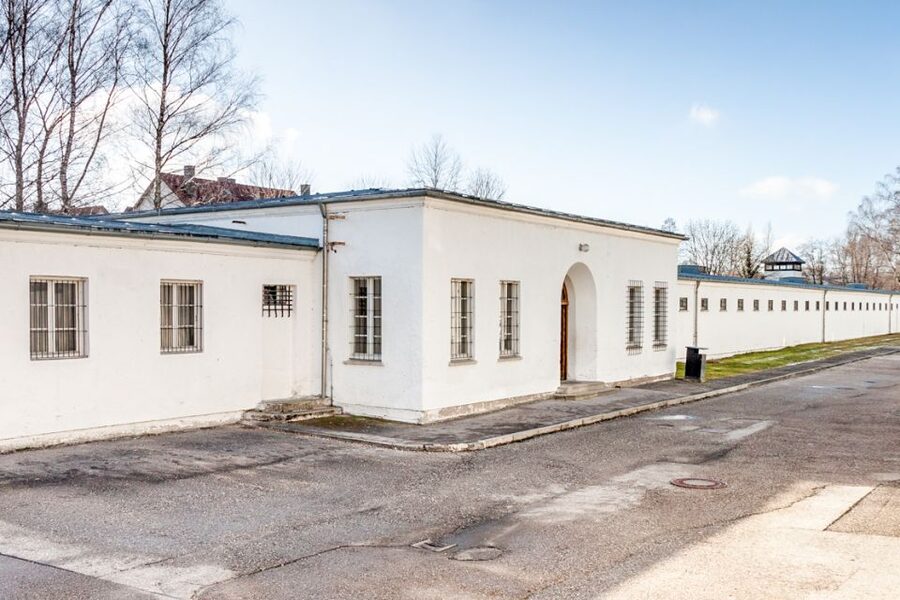
The tour involves walking around the memorial and spending several hours on your feet. The activity is listed as unsuitable for people with mobility impairments, wheelchair users, and people with respiratory issues. If any of those apply to you, this particular tour may not be a workable choice. The group also needs to stay together while moving between locations and using public transport.
The minimum age is 14. Children aged 14 and older may attend with a parent who understands the graphic nature of the subject, and proof of age may be requested. The memorial’s own guidance says some exhibits and themes are not suitable for younger children. This is a serious educational visit, not a family outing for all ages.
Smoking, alcohol and drugs, and video recording are not allowed. The rules fit the nature of the place, where respectful conduct matters. Take photographs only if permitted by the memorial’s rules at the time, and do not assume video is allowed.
Is $51 good value?
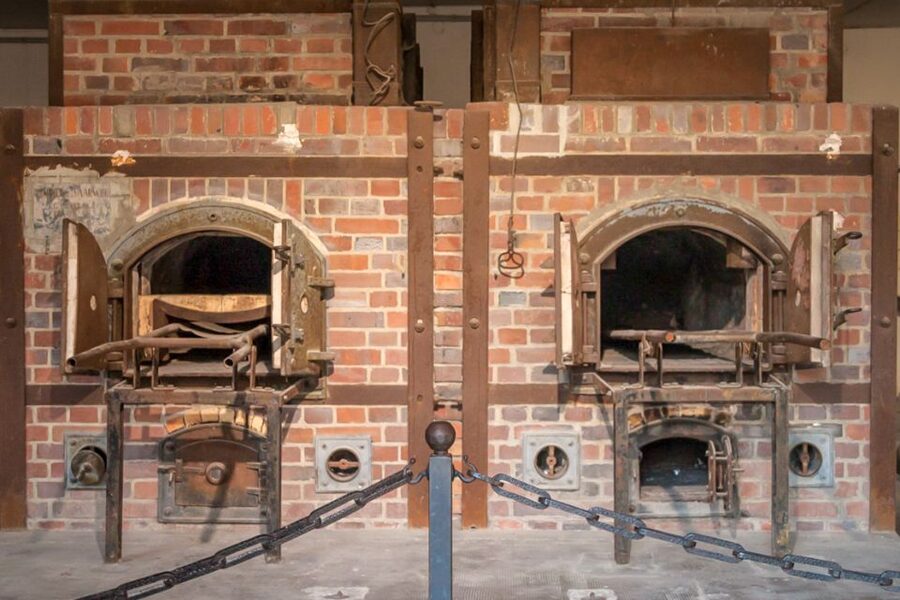
At $51 per person, the price includes the live English-speaking guide and the train and bus fares. Hotel pickup and drop-off are not included, but the tour starts and ends at Marienplatz, a practical central point. For a six-hour outing with about four hours at Dachau, the price is fair if you value expert context and the ease of traveling with a guide.
The main alternative is to make the journey independently. That gives you more control over timing, but you would need to arrange your own route and make sense of the site without the same guided explanation. The tour’s strongest value is not transport alone; it is the guide’s ability to link the camp’s history, buildings, and daily operations in a coherent account.
The group size is not specified as a standard feature. One visitor described a group of no more than 14, but you should not assume every departure has that exact size. If a small group is important to your decision, check the current details before booking.
Who should book this tour?
I would choose this tour if you want a serious, guided introduction to Dachau and prefer to have transport organized from central Munich. It is especially useful if you want historical context at the Jourhaus, Appellplatz, Bunker, barracks, and Barrack X, and value having time to ask questions. The consistently praised guiding, including the work of Sam, Adam, Marcin, Hein, Keith, and Scott, is a strong reason to consider it.
Skip it if you need a flexible, self-paced visit, cannot manage several hours of walking, or are traveling with a child under 14. Also think carefully about your emotional readiness. Dachau is a memorial to immense suffering, and the tour is meant to confront that history with care, not provide a light excursion.
If that is the kind of visit you want, book the guided tour and arrive prepared: eat before leaving, wear comfortable shoes, bring water, and leave room in your day to process what you have seen.
FAQ
How long is the tour?
The tour lasts about six hours, including approximately two hours of travel and four hours at the Dachau Memorial Site.
Where does the tour start and end?
Meet at Marienplatz in front of the Ludwig Beck department store, at Marienplatz 11. The tour returns to the same meeting point.
What should I look for at the meeting point?
Look for a white and blue umbrella and signs advertising the Dachau tour.
What transport is included?
The train and bus fares are included. The route also uses the Munich subway or metro, with your guide accompanying the group.
What language is the tour in?
The live tour guide speaks English.
Are children allowed on the tour?
Children aged 13 or younger are not permitted. Those aged 14 and older may attend with a parent who understands the graphic nature of the tour, and proof of age may be required.
Can I eat during the visit to Dachau?
Eating food while on tours at the memorial is not permitted. Have a substantial breakfast, and you can bring something to eat on the train.
Is the tour suitable for wheelchair users?
No. It is listed as unsuitable for wheelchair users and people with mobility impairments or respiratory issues.
Just added in Munich
- Private day trip from Munich to Eagle’s Nest, Salzburg and back★ 4.5 · 15 reviews
- Private Castle Tour from Munich: Neuschwanstein, Hohenschwangau, and Linderhof★ 4.5 · 12 reviews
- Private Eagle’s Nest Tour from Munich ending in Salzburg★ 5.0 · 8 reviews
- Private Day Trip from Munich to Neuschwanstein and Linderhof★ 4.0 · 11 reviews
- Private Day Trip from Munich to Eagle’s Nest and Hallstatt★ 4.5 · 9 reviews
- Private day trip from Munich to Salzburg and Hallstatt★ 4.5 · 17 reviews
- Private Day Trip Munich to Harburg, Dinkelsbuhl & Rothenburg★ 4.5 · 24 reviews
- Private day trip from Munich to Eagle’s Nest and Salzburg★ 4.5 · 9 reviews
Dachau Concentration Camp Tours, compared.
Dachau Concentration Camp Memorial Site Tour from Munich by Train
Read our review →
Early-Start Dachau Memorial Half-Day Tour from Munich
Read our review →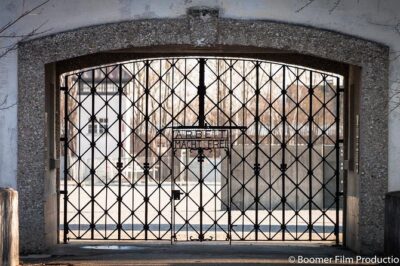
Full-Day Dachau Concentration Camp Memorial Site Tour from Munich
Read our review →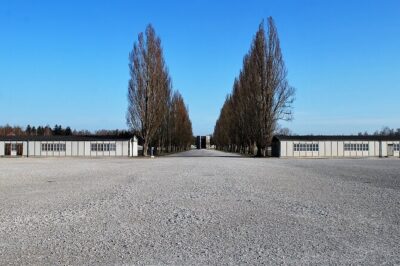
Dachau Small-Group Half-Day Tour from Munich By Train
Read our review →
Munich World War II Sites Including Dachau Concentration Camp
Read our review →
Browse the lists this tour appears in