
Reviewed · DACHAU CONCENTRATION CAMP TOURS
From Munich: Dachau Memorial Site Day Tour
Dachau is not a casual day trip. It was the first German concentration camp, opened outside Munich in 1933, and the memorial site brings you face to face with the machinery of Nazi persecution. The former camp buildings and museum make the history concrete in a way that a book or display in Munich cannot.
I like two things about this tour: a guide gives the site context that is hard to piece together on your own, and public transport is included, so you do not have to work out the journey while preparing for a difficult visit. One consideration is the five-hour limit. The museum holds more material than you can absorb in a single visit, and the subject is emotionally heavy.
At a glance
- The camp’s timeline: Learn how Dachau opened in 1933 and follow its history through liberation in 1945.
- The site itself: Visit the former barracks, cells, and gas chamber area, alongside the memorial museum.
- Personal accounts: Photographs and reports from prisoners describe everyday life in the camp.
- The journey: Meet your English-speaking guide at Marienplatz, then travel to Dachau by public transport.
- A quieter departure: The 1:10 PM tour is recommended for fewer school groups and crowds.
- The practical limit: Five hours gives you a guided introduction, but not unlimited time to study every exhibit.
Leaving Marienplatz for Dachau
Your tour begins outside the Tourist Information office at Munich’s Gothic Town Hall in Marienplatz. Look for the guide holding a yellow sign with Dachau Memorial Tour in red letters. This clear meeting point is useful in a busy square, but arrive early enough to spot the guide and get settled before departure.
The group travels by public transport, including a train journey from Munich. The trip takes you out of the city and into the surrounding countryside, but the more important benefit is practical: your guide handles the route and helps you stay on track through the connections. If you are not familiar with Munich’s transport system, that takes one small task off your mind.
Allow for the fact that public transport is still public transport. Delays can happen, and onward connections may be crowded, especially at busy times. Guides have been able to adjust when journeys ran late, but the exact trip depends on the day’s conditions. Keep your group together and listen carefully to instructions about where to meet and which stop to use.
More Dachau memorial tours from Munich:
- Dachau Concentration Camp Memorial Site Tour from Munich by Train
★ 4.5 · 5,637 reviews - From Munich: Dachau Memorial Site Half-Day Trip
★ 4.7 · 2,526 reviews - From Munich: Dachau Memorial Site Full-Day Tour
★ 4.9 · 1,406 reviews
Understanding why Dachau matters
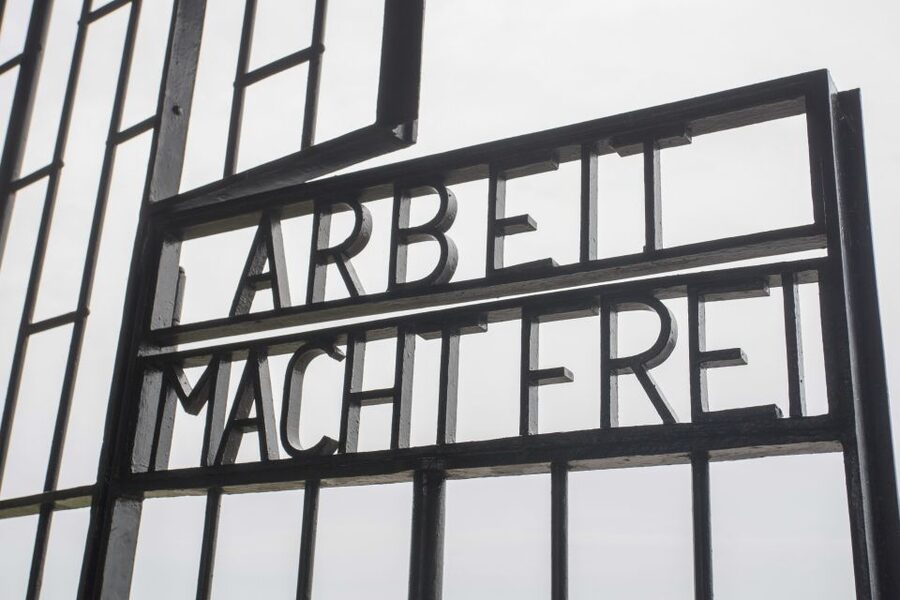
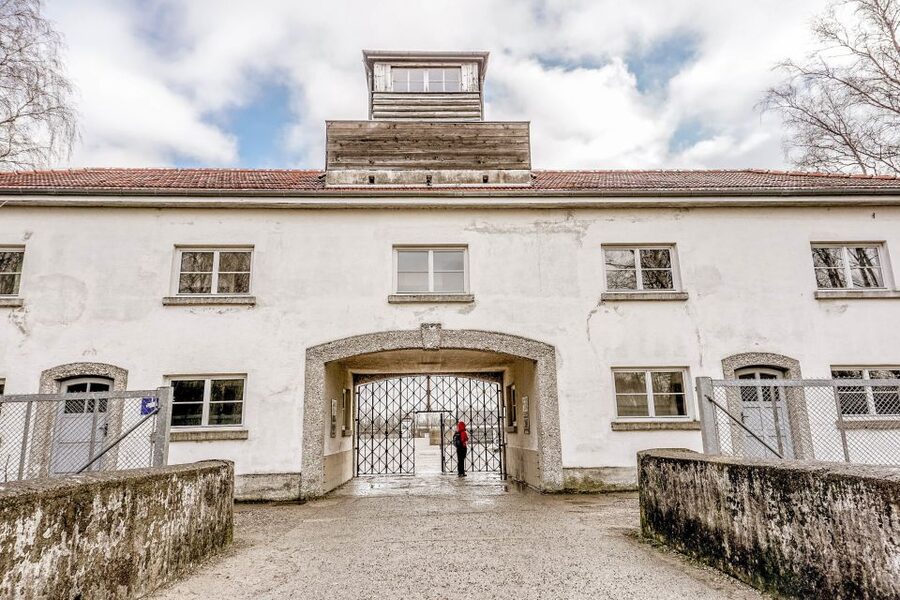
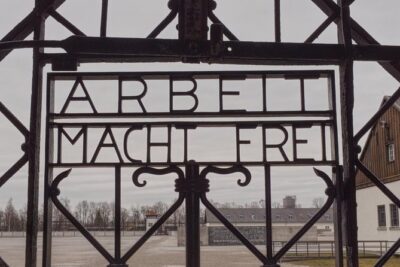
Dachau opened in 1933, soon after the Nazi seizure of power. It was the first German concentration camp and became a model for the camp system that followed. The site’s history extends to its liberation by Allied forces in 1945, and the memorial has been a place of education since 1965.
That timeline helps explain why this visit is about more than looking at old structures. Your guide sets the camp within the wider history of National Socialism in Germany, giving you a framework for understanding what you see. The physical remains can feel stark and incomplete without that context.
This is a serious subject, and the best guides make room for both facts and reflection. Guides named in visitor accounts include Thomas, Aileen, Alex, Mat, Jessie, Michael, Conni, and Stephanie. The assigned guide varies by departure, so you should not book expecting a particular person. What matters most is that guides are repeatedly praised for explaining the history with care, answering questions, and treating the site with respect.
Walking through the former camp
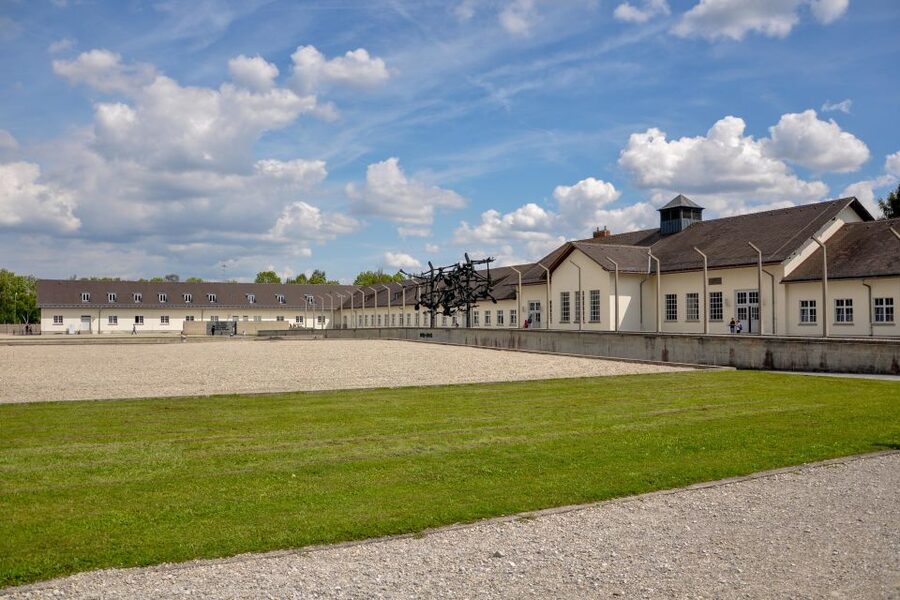
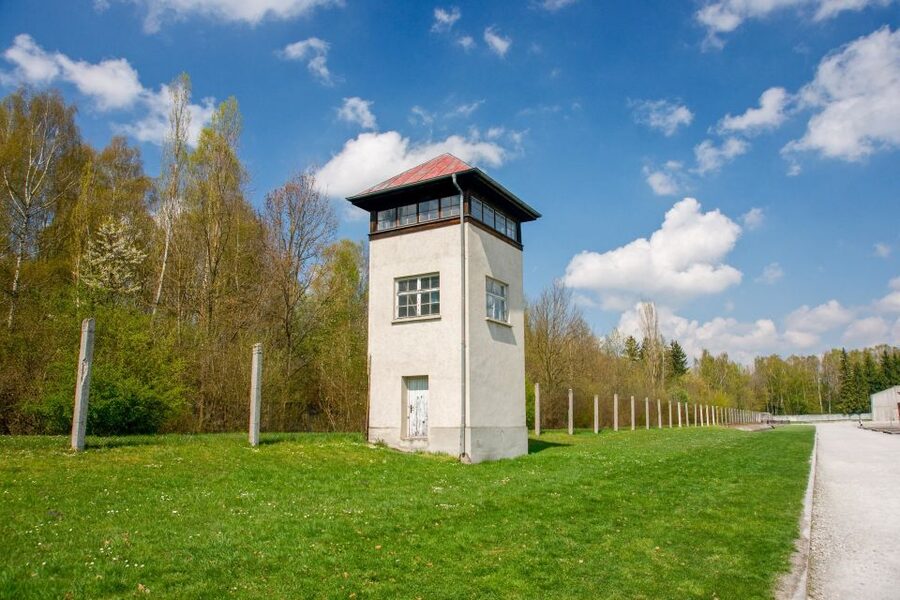
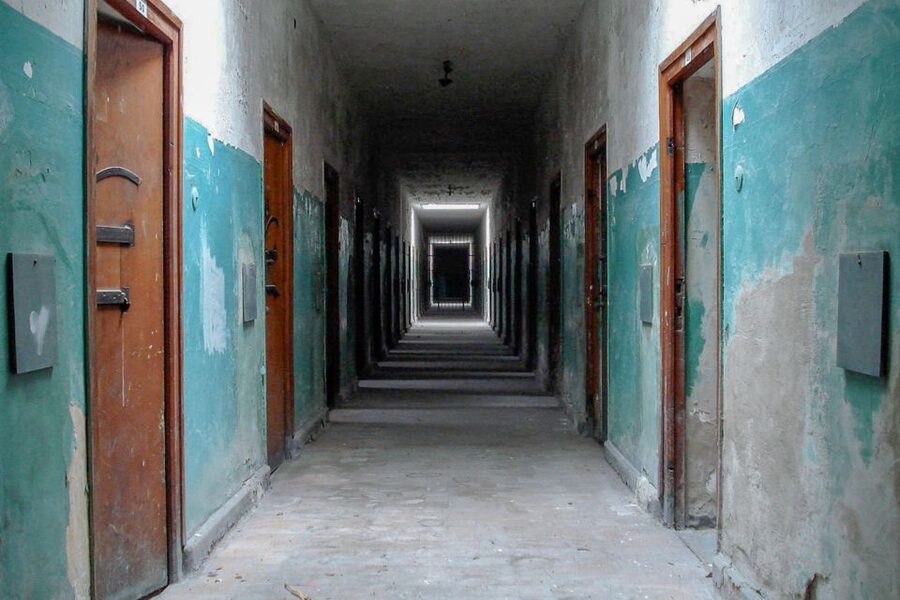
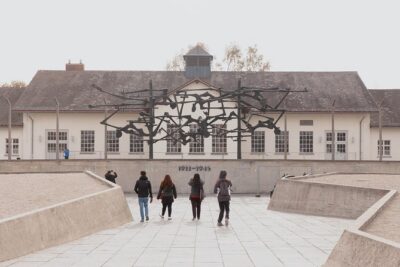
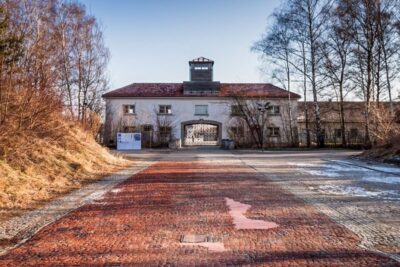
The tour takes you around the memorial grounds and into key parts of the former camp, including the barracks, cells, and gas chamber area. These places are not interchangeable stops on a sightseeing checklist. Each offers a different way to understand the camp’s organization and the conditions imposed on prisoners.
The barracks help make daily life less abstract. The cells connect the history to imprisonment and punishment. The former gas chamber area requires particular care in how you approach it: the point is not spectacle, but a sober understanding of what the site represents and what happened under Nazi rule.
A guide can keep the route coherent and explain why each place matters, rather than leaving you to move from one building to the next with only a sign for company. The pace is designed to cover major areas within a half-day visit. That structure is useful, though it can mean you have less time than you would like at individual displays.
The grounds are extensive enough to make comfortable shoes a sensible choice. Bring water, too. The visit involves walking and listening, and you will want to stay physically comfortable so you can focus on the history rather than sore feet or thirst.
The museum and the voices of prisoners
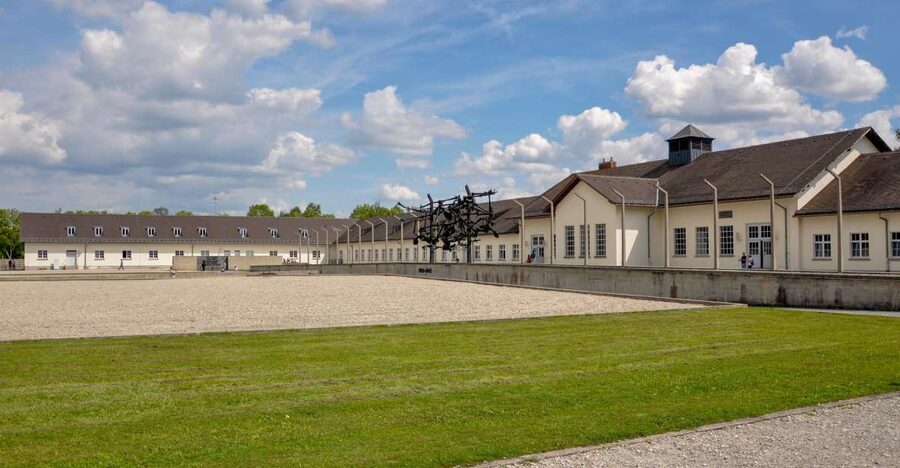
The Dachau Memorial Museum adds a crucial human dimension. Its photographs and reports include accounts from former prisoners describing everyday life in the camp, from its early period through liberation in 1945. These personal records help move the story beyond dates and political events.
I would treat the museum as more than a final indoor stop. It gives you a chance to connect the buildings outside with the lives of the people who were held there. A written account or photograph can stay with you in a different way than a spoken explanation, and the combination of guide commentary and original material is one of the strongest reasons to choose this tour.
Time is the main constraint. Some people would like longer to study the museum’s information, photographs, and objects. The guide has to balance that desire against the rest of the site and the transport back to Munich. If you are the sort of person who reads every panel, you may need to choose what matters most rather than expecting to absorb it all.
The guide-led format still gives you useful control: listen to the main explanation, then use available free time to return to the subjects that interest you most. If you want a slower, self-directed museum visit, check whether a guided half-day trip suits your preferred pace before booking.
More day trips from Munich:
- From Munich: Neuschwanstein & Linderhof Castle Full-Day Trip
★ 4.5 · 12,494 reviews - Neuschwanstein & Linderhof Castle-Fairytale Day Tour from Munich
★ 4.5 · 7,275 reviews - Neuschwanstein Castle Tour from Munich
★ 4.5 · 5,117 reviews - From Munich: Neuschwanstein Castle Full-Day Trip
★ 4.7 · 3,977 reviews
A five-hour visit, with a heavy subject
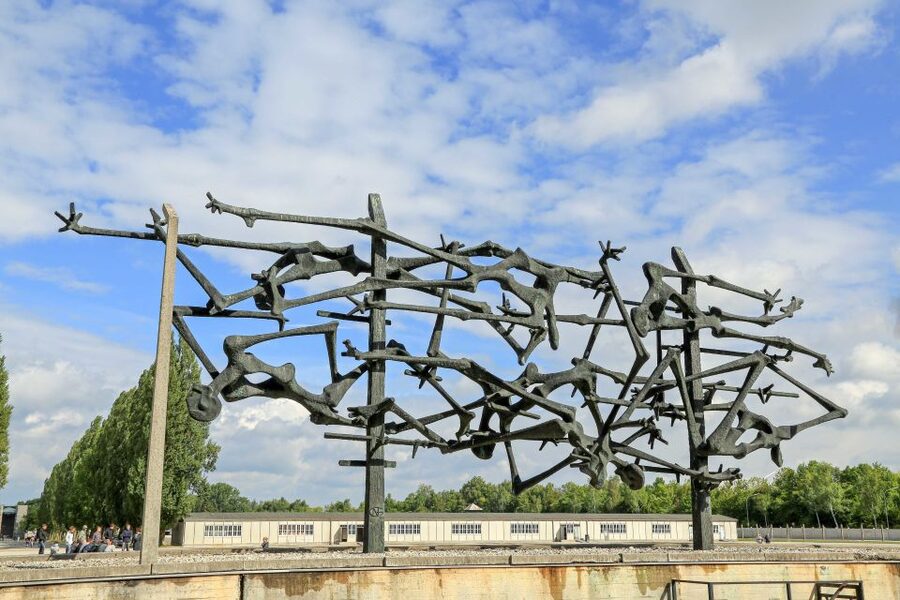
The stated duration is five hours, including the journey from Munich and the guided visit. That makes this a manageable half-day in terms of scheduling, but not necessarily an easy one emotionally. Dachau is a memorial to victims of persecution and murder, not a light diversion between meals and museums.
Guides have been praised for handling the subject with sensitivity without softening its facts. That balance matters. A tour that is too detached can leave the site feeling like a set of buildings; one that is too theatrical would be out of place. The aim is clear historical explanation, space for questions, and respect for the people whose lives are represented there.
You may find that the experience prompts reflection rather than a neat sense of completion. That is appropriate. The memorial is meant to teach, and the testimonies and preserved spaces give you reason to think about how a society can move toward persecution and mass violence.
Choosing the right departure and preparing
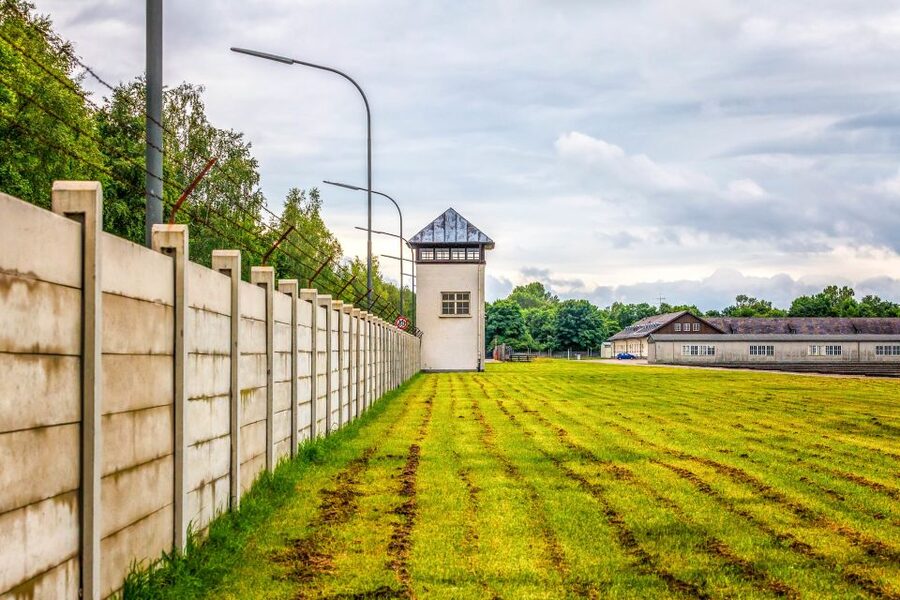
If you want to avoid some of the busiest periods, the 1:10 PM afternoon tour is recommended. There are generally fewer school classes and groups on site at that time. It cannot guarantee a quiet memorial, but it is a useful choice if you prefer fewer crowds around the exhibits.
Wear comfortable shoes and bring water. Pets and smoking are not allowed. The tour is listed as wheelchair accessible, but the transport arrangements require extra planning: if you use a wheelchair or have difficulty walking, you must bring a carer and arrive at the meeting point 10 minutes before departure. The group uses a different platform entrance in that case.
The guide speaks English, and public transport tickets and transfers are included. You can reserve now and pay later, and cancellation up to 24 hours in advance is eligible for a full refund. Those terms offer flexibility, but the most important planning choice is giving yourself enough energy and time for a serious visit.
Is $49 good value?
At $49 per person, the tour bundles a guide, public transport ticket, and transport transfers into a five-hour experience. You are paying not just for the journey, but for the historical framing and the help of someone who can guide you through a complicated memorial site. The transport support is especially useful if you do not know Munich’s network.
You could visit the memorial without this tour, but you would then need to arrange your own transport and make sense of the site’s history through the museum and its displays. A good guide can connect the camp’s origins, daily life, and liberation, while keeping the group moving through a large and emotionally demanding place. That added context is the clearest source of value.
The trade-off is time. The tour gives you a structured introduction, not a full day to read every panel or revisit each area. If you want extensive independent study, consider how much freedom you need. If you want a well-organized first visit with historical explanation and transport handled, $49 is a fair price for the time and support included.
Who should book this tour?
This tour suits you if you want to understand Dachau with a guide rather than visit the memorial on your own. It is especially useful if you are interested in modern German and European history, want personal accounts alongside the physical site, or would rather not navigate public transport alone.
It may be less suitable if you need a very slow pace or want hours to explore every museum display. The five-hour format has a clear limit, and the subject can be emotionally draining. For a quieter visit, choose the 1:10 PM departure if it is available, and leave room in your day afterward rather than rushing straight into another activity.
I would book it if you want a thoughtful, guided introduction and are prepared for a sobering experience. Go for the historical context, the prisoner accounts, and the ease of having transport organized. Skip it only if you are not ready for the subject or need more time at the museum than a half-day tour can offer.
FAQ
How long is the Dachau Memorial tour?
The tour lasts five hours, including travel from Munich and the visit to the memorial site.
Where does the tour meet in Munich?
Meet outside the Tourist Information office for the City of Munich at the Gothic Town Hall in Marienplatz. Your guide holds a yellow sign with Dachau Memorial Tour in red letters.
What language is the tour conducted in?
The live guide speaks English.
Is public transport included?
Yes. The guided tour includes a public transport ticket and transfers by public transport.
What parts of Dachau are included in the visit?
The tour includes the memorial site, former barracks, cells, gas chamber area, and the Dachau Memorial Museum.
What should I bring?
Wear comfortable shoes and bring water.
Is the tour wheelchair accessible?
The activity is listed as wheelchair accessible. If you use a wheelchair or have difficulty walking, you need a carer and must arrive at the meeting point 10 minutes before departure for a different platform entrance.
Which departure is recommended for fewer crowds?
The 1:10 PM afternoon tour is recommended because there are fewer school classes and groups on site at that time.
Can I cancel the tour?
You can cancel up to 24 hours in advance for a full refund.
Just added in Munich
- Private day trip from Munich to Eagle’s Nest, Salzburg and back★ 4.5 · 15 reviews
- Private Castle Tour from Munich: Neuschwanstein, Hohenschwangau, and Linderhof★ 4.5 · 12 reviews
- Private Eagle’s Nest Tour from Munich ending in Salzburg★ 5.0 · 8 reviews
- Private Day Trip from Munich to Eagle’s Nest and Hallstatt★ 4.5 · 9 reviews
- Private day trip from Munich to Salzburg and Hallstatt★ 4.5 · 17 reviews
- Private Day Trip from Munich to Neuschwanstein and Linderhof★ 4.0 · 11 reviews
- Private day trip: Munich to Neuschwanstein Castle, local driver★ 4.5 · 3 reviews
- Private Day Trip Munich to Harburg, Dinkelsbuhl & Rothenburg★ 4.5 · 24 reviews
Dachau Concentration Camp Tours, compared.
Dachau Concentration Camp Memorial Site Tour from Munich by Train
Read our review →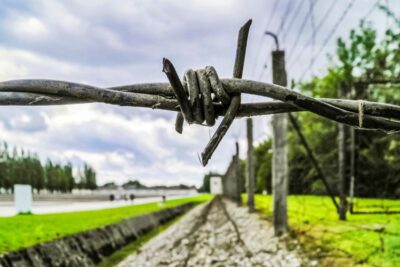
Early-Start Dachau Memorial Half-Day Tour from Munich
Read our review →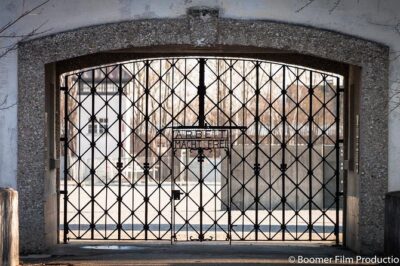
Full-Day Dachau Concentration Camp Memorial Site Tour from Munich
Read our review →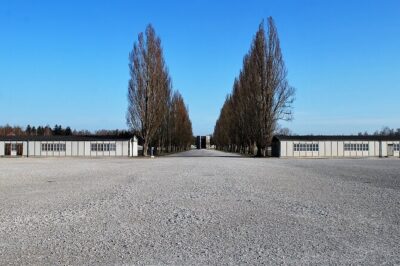
Dachau Small-Group Half-Day Tour from Munich By Train
Read our review →
Munich World War II Sites Including Dachau Concentration Camp
Read our review →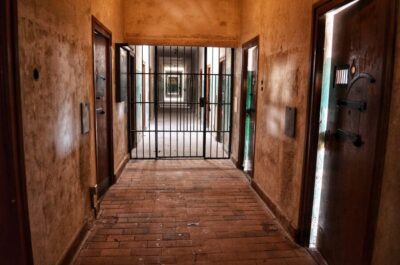
Browse the lists this tour appears in