
Reviewed · MUNICH CITY TOURS
Munich City Pass: Admission to 45 activities and Public Transport
Munich’s City Pass is less a guided tour than a menu of ways to explore: choose from more than 45 museums, palaces and activities, then add public transport if that option suits your plans. I like the freedom to build a day around a few places that genuinely interest you, and I like that the pass can combine admission savings with useful transit.
The trade-off is that a long attraction list can look more generous than it is practical. Museums take time, the sights are spread around the city, and some activities need advance booking, so you’ll want to choose your targets before your pass starts.
What to know before you go
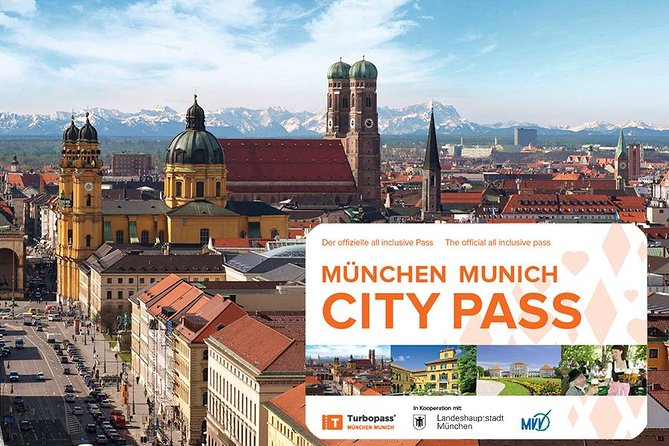
- Pick one to five days: Match the pass length to your schedule and the number of paid sights you plan to visit.
- Build your own route: The attractions include art museums, palaces, science collections, an aquarium and more.
- Check the transport option: Public transport for the inner area or the full M-6 area is included only if you select that option.
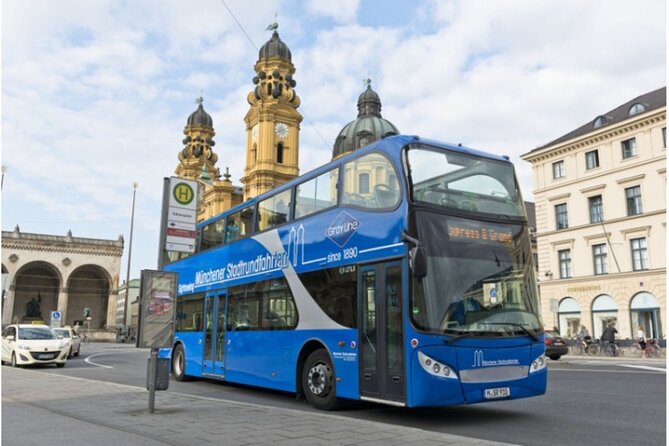
- A bus loop is included: The 24-hour Express Circle hop-on hop-off service has seven stops.
- Plan popular activities ahead: Some guided tours and activities require advance booking.
- Do the maths first: The pass costs $48 per person as listed, but its value depends on your chosen duration and how many included attractions you’ll actually visit.
A flexible pass, not a fixed tour
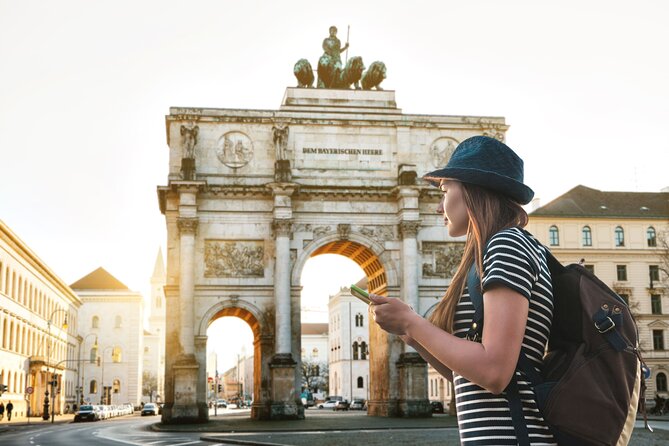
There’s no set route to follow. You choose which of the participating attractions to visit and fit them into one to five days, with options ranging from major art museums to historic palaces and family-friendly stops such as SEA LIFE Munich.
That flexibility is the main appeal. If you’d rather spend an afternoon with modern art than race between every famous sight, you can do that. If you’re visiting with family, you might mix the Deutsches Museum or aquarium with a palace or a ride above the city. The pass works best when you treat its long list as a planning tool, not a challenge to see everything.
The experience is offered in English, but no named guide or regular guided route is specified. Think of it as an independent sightseeing pass, with the practical benefit of admission access and, if selected, local transport. Some guided activities are available, but you need to book those yourself using the instructions supplied with the digital pass.
More city sightseeing tours in Munich:
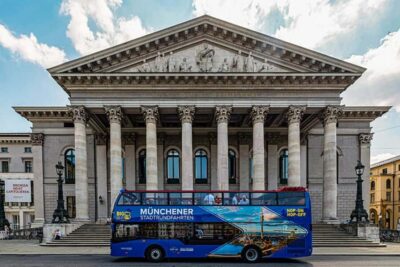
- Munich: Big Bus Hop-On Hop-Off Sightseeing Bus Tour
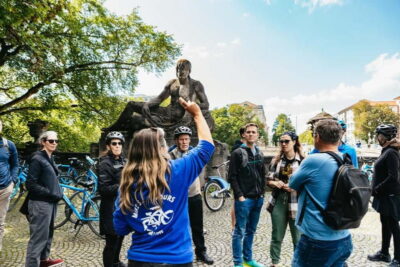
★ 4.0 · 842 reviews - Munich: Classic Guided City Tour by Bike (English Tour Only)
★ 4.7 · 534 reviews - Munich Private Tour with a Local – Highlights & Hidden Gems
★ 5.0 · 469 reviews
How to judge the $48 price
The listed price is $48 per person. Since the pass can cover one to five days, compare the cost of the duration you want with the admission fees for the places you would visit anyway. Add the value of public transport only if you select that option and expect to use it. The included 24-hour Express Circle bus can also matter if its seven-stop route fits your sightseeing plan.
The strongest savings are likely for a busy schedule that includes several admission-based stops. One traveler’s reported mix included a bike tour, a palace, museums and the Residenz Museum, while another described using the pass for admissions and transport. The practical lesson is simple: the pass can pay off, but only if your plans make use of what it covers.
Don’t count every attraction as a realistic stop. Many listings suggest about two hours per place, and that adds up quickly before you account for meals or time on public transport. A one-day plan with a major museum and a nearby second stop may be more satisfying than trying to collect a string of entry scans across town.
Museums: choose a theme, not a checklist
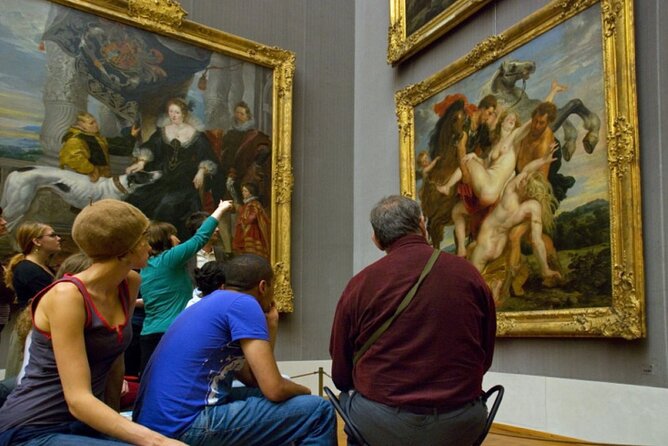
Art lovers have a deep bench of options. The Alte Pinakothek focuses on European painting from the 14th to the 18th century, while the Pinakothek der Moderne covers modern art. At the Lenbachhaus, the Blue Rider collection is a major draw. The Museum Brandhorst focuses on modern and contemporary art, and the Kunsthalle Munich ranges from antiquity to the present.
Each can fill a meaningful visit, so decide what you want to see rather than trying to sample them all. The Glyptothek is the choice for ancient art, with Greek vases and works in materials including gold, bronze, ceramics and glass. For a more specialised stop, the Sammlung Schack features paintings by Franz von Lenbach, while the Staatliche Münzsammlung München holds more than 3,000 objects, with its oldest pieces dating to the third millennium BC.
The Bavarian National Museum has broad appeal, with a varied collection in one of Germany’s largest museums. The Museum Fünf Kontinente looks at cultural collections from around the world. For natural history, choose the Museum Mensch und Natur or the Museum Reich der Kristalle, where displays include diamonds, emeralds, gemstones and other minerals.
A few museums offer a different kind of city context. The Jewish Museum Munich approaches Munich’s past from a Jewish perspective, and the NS-Dokumentationszentrum München examines the city’s relationship to Nazism and the consequences of dictatorship. The Münchner Stadtmuseum, near Viktualienmarkt, explores the city’s past. These are substantial subjects, so allow time to engage rather than treating them as quick stops.
The Haus der Kunst presents contemporary art. The Museum Villa Stuck lets you visit the house of artist Franz von Stuck, while the Deutsches Theatermuseum has changing special exhibitions rather than a permanent display. The Valentin-Karlstadt-Musäum offers a more eccentric outing. Check current exhibitions and opening details as you plan, particularly for a museum whose displays change.
One important caveat: the pass information lists the Neue Pinakothek as closed from January 1, 2019 through 2025 for renovation. Its status may change, so confirm whether it is open before building a route around it.
Palaces and royal Munich
The Residenz Museum is a strong choice if you want a close look at Munich’s former court. Its Treasury is described as one of the most prestigious collections of its kind, making this a good pairing with the city’s grander royal sights.
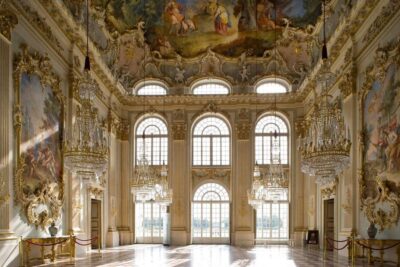
At Nymphenburg Palace, you can visit the palace and the Marstallmuseum, whose carriages trace developments from the late 17th to the late 19th century, with examples from Germany, France and England. The surrounding park also holds three smaller palaces: Amalienburg, Pagodenburg and Badenburg. These offer variety, but don’t mistake their proximity for a quick visit to every building. Choose the ones that best fit your time.
The palace options extend beyond central Munich. Schloss Schleißheim has two exhibitions, including the Ecumenical Collection of Gertrud Weinhold and Prussia’s Cultural History Collection. Nearby Lustheim Palace holds a Meissen porcelain collection. These sights make sense if you’re keen on royal architecture and collections, but they add more planning than a cluster of central museums.
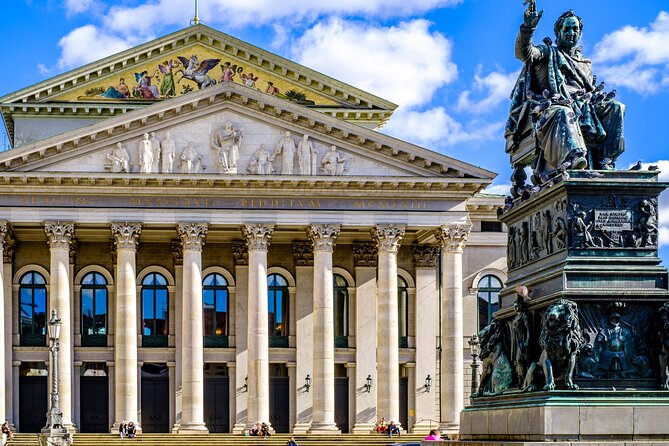
For a different kind of spectacle, Cuvilliestheater is a Rococo theatre noted for its ornate design. It’s a compact choice for architecture and period interiors, though entry arrangements can differ from those at larger museums. Check the current details before you go.
More tours in Munich:
- From Munich: Neuschwanstein & Linderhof Castle Full-Day Trip
★ 4.5 · 12,494 reviews - Neuschwanstein & Linderhof Castle-Fairytale Day Tour from Munich
★ 4.5 · 7,275 reviews - Munich: Third Reich & WWII Walking Tour
★ 4.6 · 6,181 reviews - Dachau Concentration Camp Memorial Site Tour from Munich by Train
★ 4.5 · 5,637 reviews
Science, transport and family stops
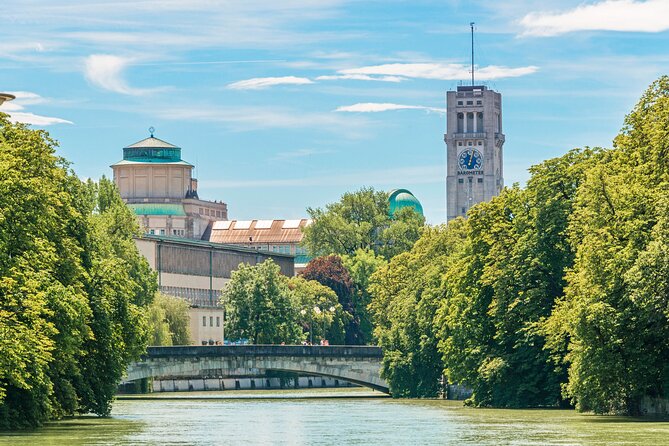
The Deutsches Museum is one of the pass’s major inclusions, with a focus on science and technology. It’s a natural pick if you want a break from art and court history, and its scale rewards a focused visit. Rather than trying to cover every subject in one go, decide what interests you most.
For vehicles, the Deutsches Museum Verkehrszentrum presents land transport, while Flugwerft Schleißheim displays nearly 70 aerospace exhibits across 8,000 square metres. These are appealing choices if you like engineering, aviation or transport history. Their locations and the time needed to see them mean they’re better planned as dedicated outings than squeezed between unrelated city-centre stops.
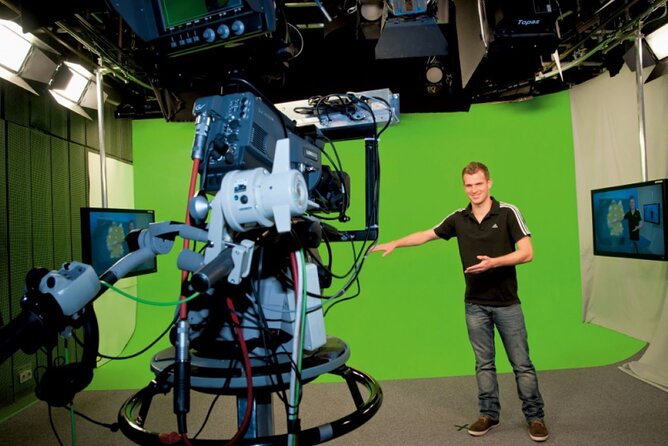
Families may consider SEA LIFE Munich, in Olympiapark, or Bavaria Filmstadt, which features original scenes from films and television. Football fans have the FC Bayern Museum at Allianz Arena, described as Germany’s largest club museum. The Umadum Munich Ferris wheel offers a view over the city, while Olympiapark’s park railway is included. These attractions widen the pass beyond museums, though they’ll suit some itineraries far better than others.
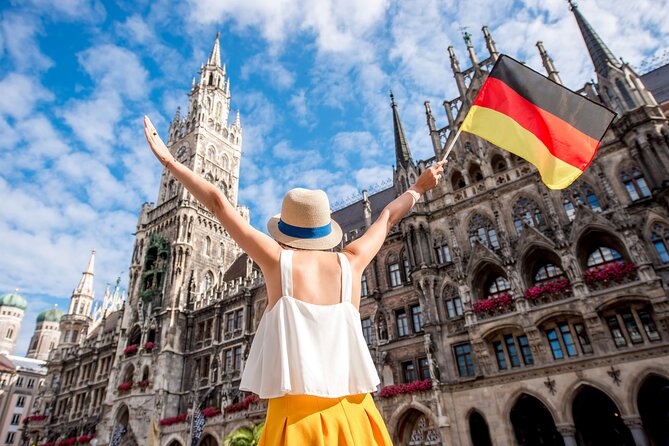
A few further stops are worth knowing about when you’re choosing a mix. The Botanical Garden Munich-Nymphenburg offers flower displays and garden paths. The Ruhmeshalle and its 18-metre Bavaria statue make for a striking landmark visit, and the New Town Hall offers a view from its tower. These can provide a change of pace between indoor collections.
Getting around without overplanning
Public transport is included only when you select the relevant option. That choice covers either the inner area or the full M-6 area, so check which one fits your route before you commit. The S-Bahn and U-Bahn can be useful when your plans span multiple neighbourhoods; one visitor specifically found the transit pass helpful, though busy trains can be uncomfortable.
The 24-hour Express Circle hop-on hop-off bus has seven stops and gives you another way to link sights. It may be handy for an overview or for reaching stops on its route, but don’t assume it replaces public transport for every attraction. Check the route against your planned visits.
Because the attractions range from central museums to Schleißheim, Nymphenburg and Allianz Arena, location matters. Group nearby sights together and leave room for travel. The pass’s flexibility is a real advantage, but it won’t make Munich’s distances disappear.
Who gets the most from this pass?
I’d consider it if you’re staying long enough to visit several included attractions, already want to see museums or palaces, and will use the transport option you select. It can be especially useful if you enjoy choosing your own pace and interests instead of following a fixed tour.
It may be less compelling if you’re in Munich for a short visit and plan only one or two paid attractions. In that case, compare individual admissions and transport costs before buying. The list is broad, but the right pass is the one that fits your actual days, not the one with the most impressive number of options.
Free cancellation is available up to 24 hours before the experience start time. Some guided activities need to be booked in advance, so check those instructions once you know what you want to do.
Should you book the Munich City Pass?
Book it if you can name several attractions you genuinely want to visit and the transport option matches your route. The strongest case is a well-planned stay that combines museum admissions, a palace or two, and regular public transport use. If you prefer spontaneous days, or expect to visit only a couple of sights, compare the individual costs first. This pass gives you options; the savings come from choosing them wisely.
FAQ
How long is the Munich City Pass valid?
You can choose a pass valid for one to five days.
What does the pass include?
It provides access to more than 45 Munich attractions and activities. Listed inclusions include the Deutsches Museum, Nymphenburg Palace, Lustheim Palace, the FC Bayern Museum and a 24-hour Express Circle hop-on hop-off service with seven stops.
Is public transport included?
Public transport for the inner area or the full M-6 area is included if you select that option.
Does the pass include the Deutsches Museum?
Yes. Free access to the Deutsches Museum is included.
Is Nymphenburg Palace included?
Yes. Enjoying Nymphenburg Palace is listed as an inclusion.
Is the FC Bayern Museum included?
Yes. Free entry to the FC Bayern Museum is included.
Do I need to book any activities in advance?
Some activities, such as guided tours, must be booked in advance by you. Follow the instructions provided with your digital City Pass.
What languages are offered?
The experience is offered in English.
Can I cancel the pass for a refund?
You can cancel for a full refund if you do so at least 24 hours before the experience start time. Cancellations or changes made less than 24 hours before the start time are not accepted for a refund.
Just added in Munich
- Private day trip from Munich to Eagle’s Nest, Salzburg and back★ 4.5 · 15 reviews
- Private Castle Tour from Munich: Neuschwanstein, Hohenschwangau, and Linderhof★ 4.5 · 12 reviews
- Private Eagle’s Nest Tour from Munich ending in Salzburg★ 5.0 · 8 reviews
- Private Day Trip from Munich to Eagle’s Nest and Hallstatt★ 4.5 · 9 reviews
- Private day trip from Munich to Salzburg and Hallstatt★ 4.5 · 17 reviews
- Private Day Trip from Munich to Neuschwanstein and Linderhof★ 4.0 · 11 reviews
- Private Day Trip Munich to Harburg, Dinkelsbuhl & Rothenburg★ 4.5 · 24 reviews
- Private day trip from Munich to Eagle’s Nest and Salzburg★ 4.5 · 9 reviews
Munich City Tours, compared.
Classic Guided City Tour by Bike (English Tour Only)
Read our review →
Munich Private Tour with a Local – Highlights & Hidden Gems
Read our review →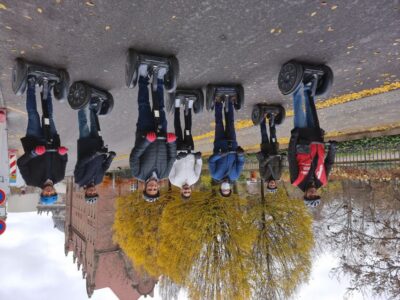
City Pass 45+ Top Attractions and Public Transport
Read our review →

Browse the lists this tour appears in