
Reviewed · MUNICH HISTORY TOURS
Munich’s 500 Years of Architecture Guided Tour
Munich’s story is written in its buildings, and this tour follows the changes from the late 15th century to the present. You start at Frauenkirche, visit landmark churches and civic sights, then leave the Old Town for the Isar River and a modern-art finish.
I like two things in particular: Philipp’s story-led approach, which ties architecture to royal tales and less cheerful chapters, and the change of pace from historic streets to a quieter riverside setting. The tour also promises a look at Jugendstil, street art, and the unusual Alte Utting.
The main consideration is the clock. Two hours is brisk for so many stops, a tram ride, market visits, and possible building interiors. The route details also name Sudetendeutsches Museum as the finish, while the meeting information says the tour ends back at Frauenkirche, so confirm the endpoint before you go.
- Frauenkirche sets the timeline: Begin with Munich’s Gothic era at the famous cathedral.
- St. Michael’s marks a change in style: The Renaissance church is described as a world-record-holding masterpiece.
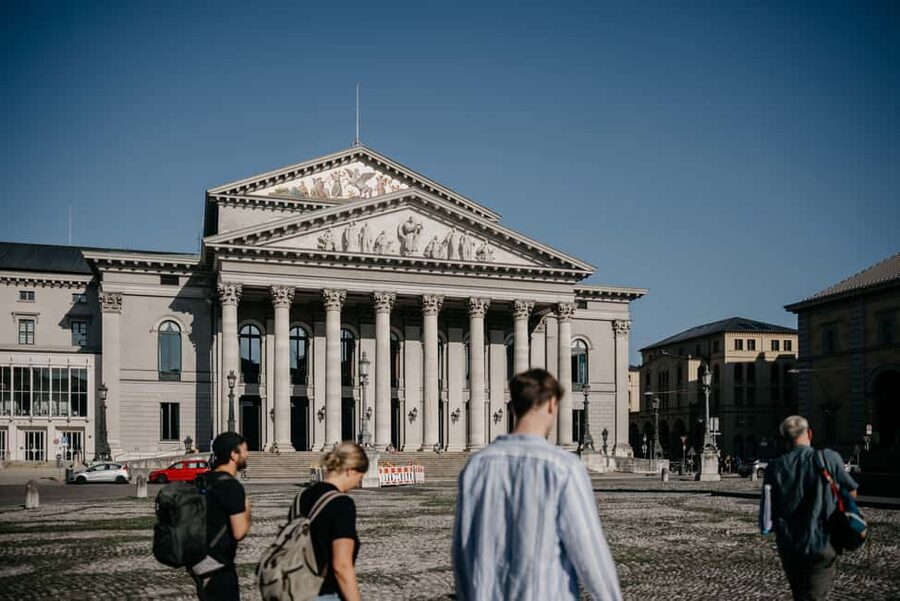
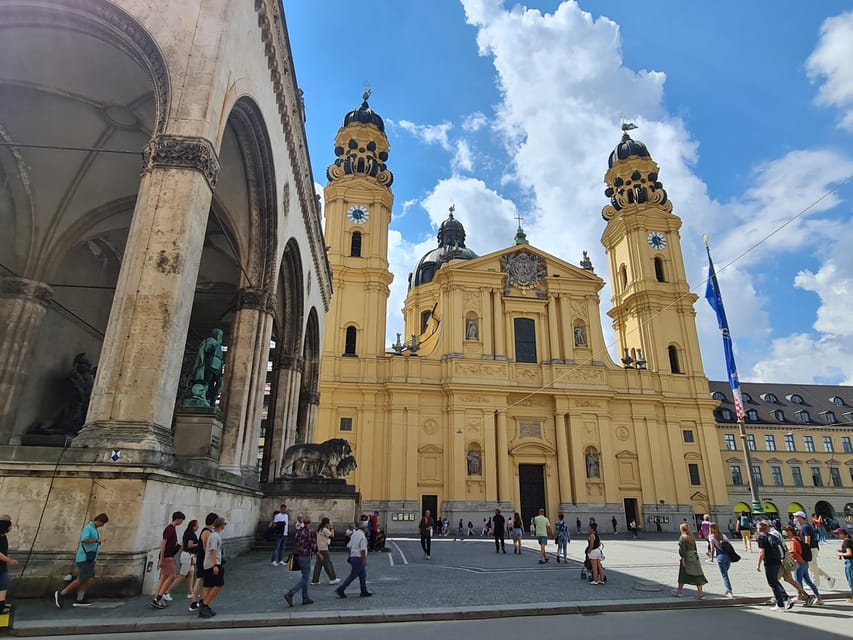
- Churches and grand civic sights add contrast: The route includes Trinity Church, Theatine Church, the Bavarian State Opera, and Maximilianstraße.
- A tram ride shifts the mood: Leave the Old Town for the Isar, where river scenery and two more world records enter the story.
- The ending looks to the present: Jugendstil, street art, and a modern museum bring the architectural journey into today.
- Winter calls for preparation: Christmas markets are part of the experience, so warm clothes and comfortable shoes matter.
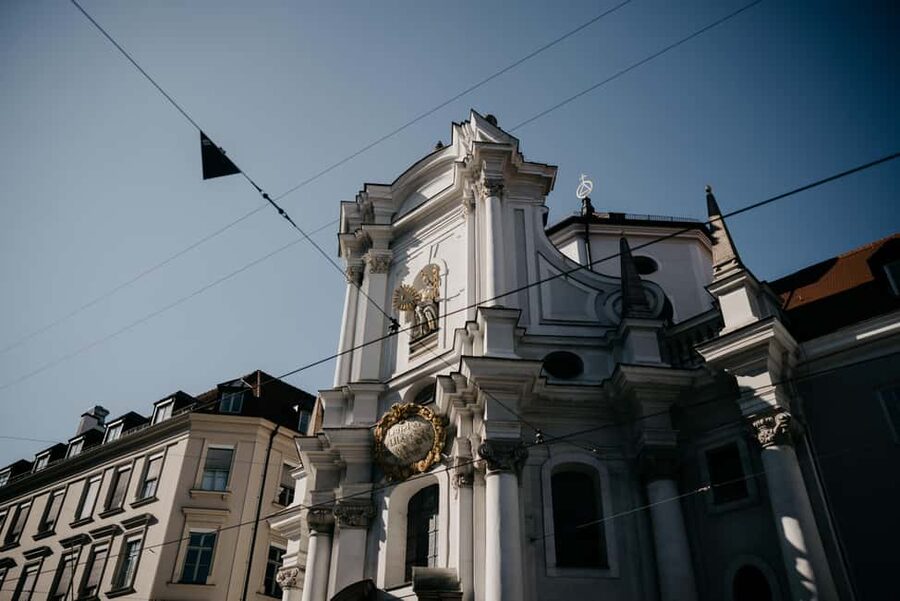
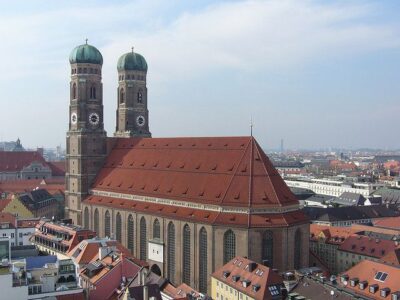
Start with Gothic Munich at Frauenkirche
Meet Philipp outside the main entrance to Frauenkirche at Frauenplatz 1. He is easy to spot by his yellow winter hat, yellow backpack, and large blue presentation folder. From Marienplatz station, the walk takes about five minutes. Munich’s main railway station is about a 15-minute walk away.
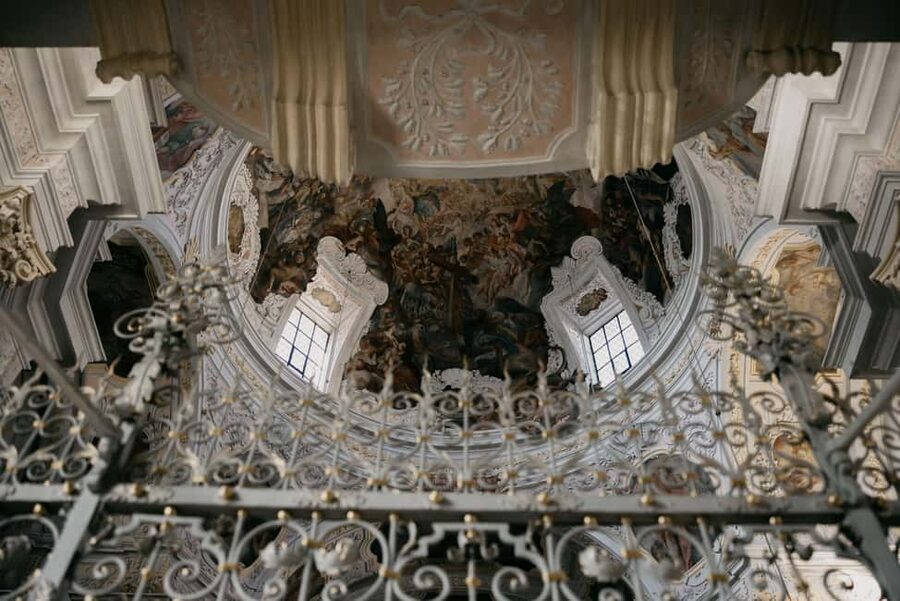
Frauenkirche is the right place to begin a tour that spans five centuries. The church anchors the experience in the late 15th century, when Gothic architecture shaped the city’s religious landmarks. Rather than treating the building as a photo stop, Philipp uses it to introduce the people, beliefs, and stories behind the period.
This starting point is also practical. You are in the Old Town, close to other historic sites and, in the Christmas season, several markets. That gives the early part of the walk a lively feel, though market crowds and winter weather can make moving between stops less leisurely.
The tour is about more than identifying architectural styles. Philipp’s approach, as reflected in the way the tour is described, connects buildings with royal family stories, local legends, and darker episodes. That mix helps the styles stick: you are learning about a city’s past through places where that past took shape.
Follow the shift from Gothic to Renaissance
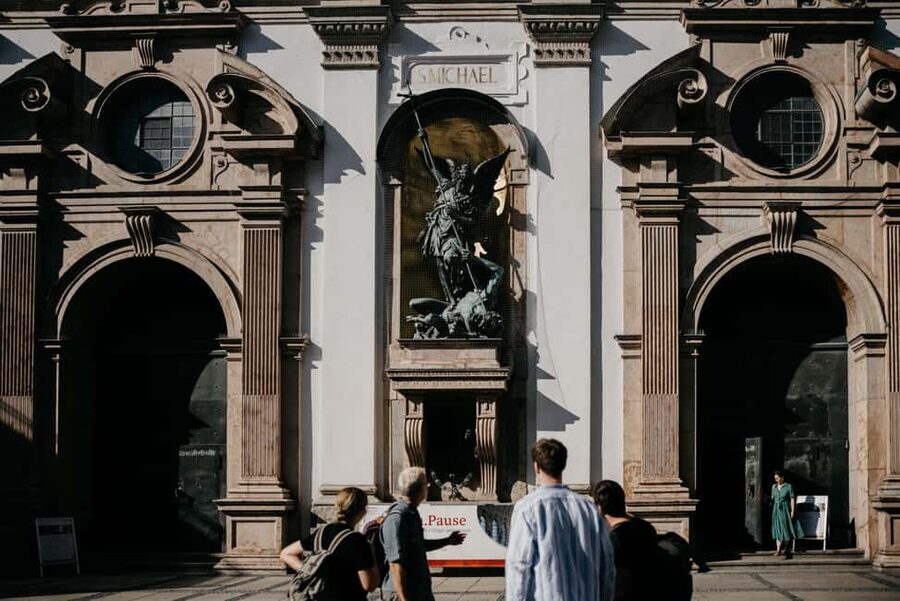
From Frauenkirche, the group heads to St. Michael’s Church. It is presented as a Renaissance masterpiece and noted for holding a world record, though the particular record is not specified in the tour details. That is a useful point to ask Philipp about on site, especially if you enjoy the unusual facts that give a landmark an extra hook.
The change from Gothic to Renaissance provides the tour’s first clear architectural comparison. You move from one era to another not through a lecture hall or a row of dates, but by seeing buildings in the city itself. If you are new to architectural history, that is a good way to understand how Munich’s look changed over time.
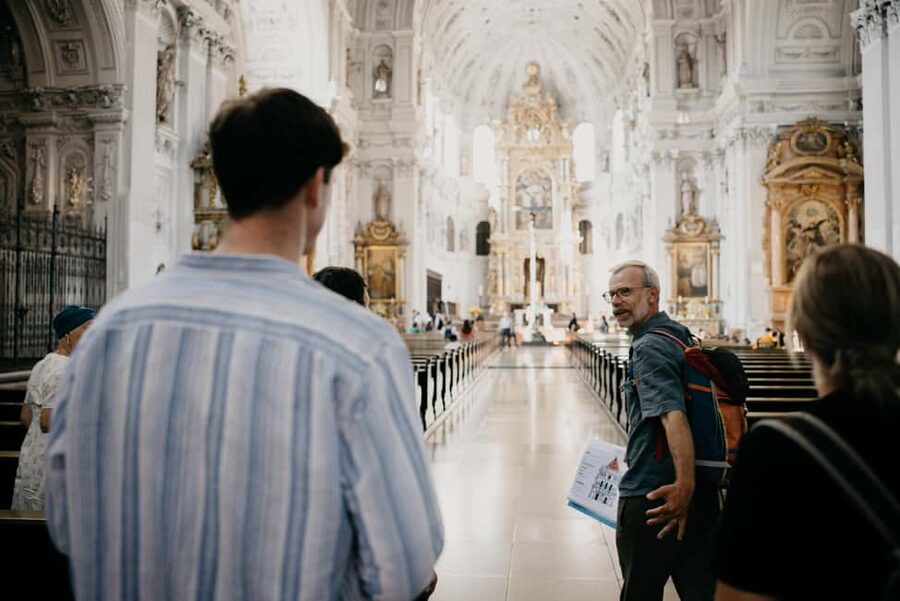
St. Michael’s is one of up to three impressive buildings you may visit inside. The wording matters: interior access is a chance, not a guarantee that every listed church will be open or entered. If seeing church interiors is a priority, ask ahead which buildings are likely to be accessible on your date.
More history tours in Munich:
- Munich: Old Town & Viktualienmarkt City Walk in German
★ 4.7 · 2,304 reviews - Munich Old Town Walking Tour
★ 4.5 · 1,287 reviews - Munich: Spooky Tour of Old Town in German
★ 4.6 · 1,112 reviews
See church styles and royal Munich
The route continues to Trinity Church and Theatine Church, before reaching the Bavarian State Opera. These stops widen the story beyond the Gothic and Renaissance examples. The tour description places Baroque splendor, Neo-Classicism, and Historicism among the styles covered, though it does not assign each style to a particular stop. Philipp can help make those connections as you go.
This part of the route is especially useful if you want a broad introduction rather than a close study of one monument. The churches offer a sequence of religious architecture, while the opera and Maximilianstraße shift the focus toward public life, royal ambitions, and the city’s grander face.
At Maximilianstraße, expect a guided walk rather than a single interior visit. The street is included as a place to read Munich’s architectural character and its links to the royal family. Philipp’s stories are a key part of the value here. A street can be easy to cross without noticing much; a guide who explains the people and ideas behind it gives you a reason to look twice.
The mix of famous landmarks and lesser-known stories is one of the tour’s strongest ideas. You get the major names, but the route is not limited to a checklist of postcard views. The aim is to make the city’s changing styles feel connected to the lives and decisions behind them.
Trade the Old Town for the Isar
After the central sights, the tour takes a tram toward the Isar River. This change of scene is a welcome break from the dense run of churches and markets. The river section is described as quieter, with two more world records and surprising stories to hear along the way. The details of those records are not given in advance, so treat them as part of Philipp’s on-the-ground explanation rather than facts to plan around.
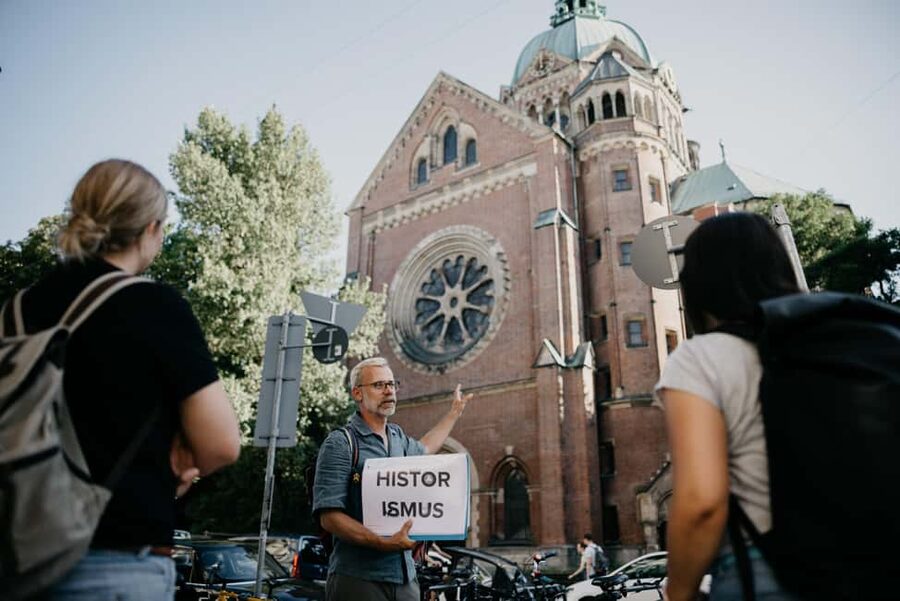
Stops in this part of the route include St. Lukas and Müllersche Volksbad. Both are guided-tour stops, giving you a chance to see how the architectural story continues beyond the Old Town. The river setting also gives the tour a different rhythm: instead of moving from one central landmark to the next, you get a pause from the busiest streets and a new view of Munich.
The tram ride is not just a practical link. It helps show that Munich’s architectural story does not stop at the historic center. Still, the tour information does not say whether the tram fare is included, so it is sensible to check before booking or bring a way to pay for local transport.
The advertised highlights also include Alte Utting, described as an iconic modern spot praised by The New York Times. It is not named among the numbered stops, so confirm whether it is included in the route on your date. Its presence in the tour’s pitch suggests a playful contrast with the older churches: a chance to consider how the city uses and reimagines its built environment today.
Finish with Jugendstil, street art, and modern art
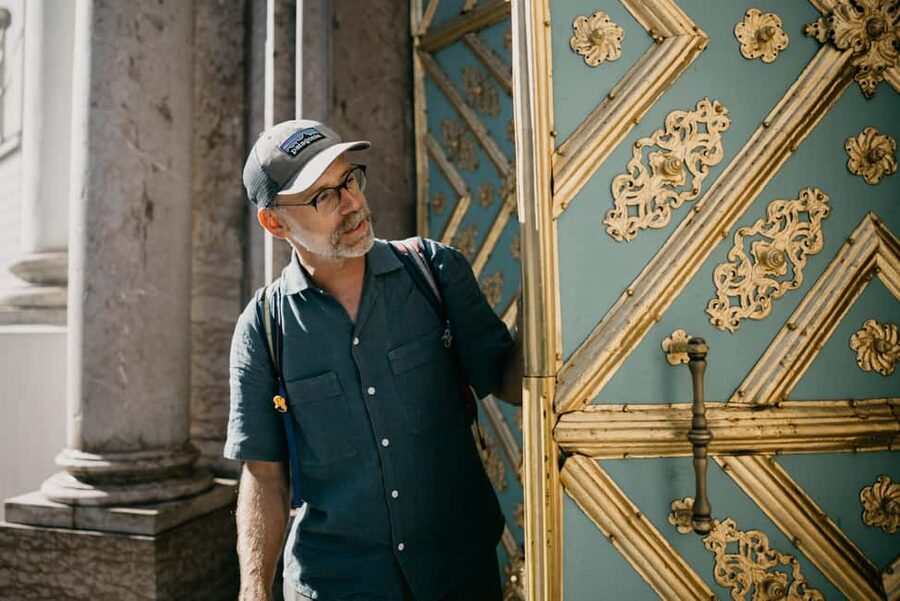
The final stretch turns to Jugendstil, Munich’s Art Nouveau style, then to street art and a modern museum. This is a smart way to end a tour that begins in the late 15th century. Rather than leaving you with the impression that Munich’s architecture belongs only to the past, it points toward later design and contemporary work.
The listed final museum is Sudetendeutsches Museum, which is also named as the end point in the route. Yet the meeting information says the activity ends back at the Frauenkirche meeting point. That is a notable mismatch, not a small detail if you have a timed reservation or onward plans. Ask Philipp or the provider to confirm exactly where your tour ends.
The modern-art finish may appeal most to visitors who like seeing how a city’s identity keeps changing. It also rounds out the styles mentioned throughout the walk, from Gothic and Renaissance through Baroque, Neo-Classicism, Historicism, and Jugendstil. You will not get an exhaustive survey of each period in two hours, but you should leave with a useful framework for noticing the differences.
More guided tours in Munich:
- Munich 3-Hour Guided Bike Tour
★ 4.5 · 1,731 reviews - Munich’s Beer Halls and Breweries: 3-Hour Guided Tour
★ 4.6 · 928 reviews - Guided Dachau Concentration Camp Memorial Site Tour with Train from Munich
★ 5.0 · 920 reviews - Munich: Birthplace of the Third Reich Guided Walking Tour
★ 4.6 · 771 reviews
Christmas markets and winter comfort
The tour includes visits to multiple Christmas markets and highlights a medieval Christmas market in a magical setting. That seasonal angle makes this experience especially appealing in winter, when the markets add warmth and atmosphere to the Old Town route. Market visits can also bring crowds and pauses, so the brisk schedule may feel tighter during busy periods.
Dress for the weather. The tour specifically advises warm clothing and comfortable walking shoes, and that is good advice for any two-hour winter outing that combines outdoor stops with a tram ride. Bring a camera if you want to capture the churches, river, markets, and changing streetscape.
Food and drinks are not included. Markets offer the chance to buy refreshments, but plan to pay separately and remember that stopping for a full meal would likely take time away from the tour’s packed route.
What $36 gets you
At $36 per person, the price is reasonable if you want a guide to connect a wide range of Munich sights in a short time. You are paying for more than a list of building names: the experience combines architectural history, local stories, a guided Old Town walk, a tram trip toward the Isar, and market visits. The possibility of entering up to three notable buildings adds value, although interior access is not guaranteed.
The main trade-off is depth. With a two-hour duration and many stops, you should expect concise explanations, not an extended visit at every church or museum. If you already know Munich well or want to spend an hour inside one particular building, a slower, more focused visit may suit you better. If you want an overview that helps you understand what you are seeing as you explore independently later, the compact format makes sense.
Philipp’s personable, engaging manner is central to the experience. The strongest feedback about the tour centers on his friendly presence and the way he makes the stories memorable while keeping the walk enjoyable. That is worth considering: architecture tours can become a parade of dates and labels, but a guide who tells a good story makes the details easier to remember.
Free cancellation up to 24 hours before the tour and a reserve-now, pay-later option provide some flexibility. English and German tours are available, and a private group can be arranged. The activity is not suitable for wheelchair users or people with mobility impairments, and participation is listed as being at your own risk.
Who should book this Munich architecture walk
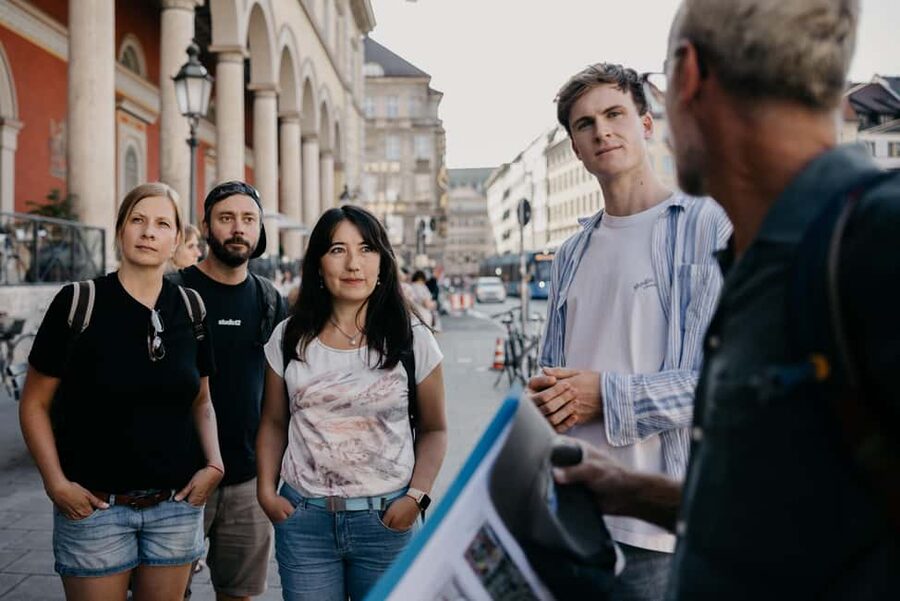
I would choose this tour if you like history but do not want a formal lecture, or if you want to connect Munich’s major churches with its royal stories, markets, river setting, and modern art. It is particularly well suited to a first visit, when a broad overview can help you decide which buildings and neighborhoods deserve more of your time.
It may be less suitable if you need step-free access, prefer to linger at each stop, or are looking for a tour focused on one architectural period. The schedule is ambitious, and the endpoint and Alte Utting details deserve a quick confirmation before you commit. If those points work for you, Philipp’s mix of architecture, local tales, and a change of pace by the Isar offers a useful, enjoyable way to read Munich beyond its best-known façades.
FAQ
How long is the tour?
The tour lasts two hours. Starting times depend on availability.
Where does the tour begin?
Meet Philipp outside the main entrance to Frauenkirche at Frauenplatz 1. He can be identified by a yellow winter hat, yellow backpack, and large blue presentation folder.
What languages are available?
The live tour is offered in English and German.
Are food and drinks included?
No. Food and drinks are not included in the price.
Is the tour suitable for wheelchair users?
No. The activity is listed as unsuitable for wheelchair users and people with mobility impairments.
Can I cancel for a refund?
Yes. You can cancel up to 24 hours in advance for a full refund.
Just added in Munich
- Private day trip from Munich to Eagle’s Nest, Salzburg and back★ 4.5 · 15 reviews
- Private Castle Tour from Munich: Neuschwanstein, Hohenschwangau, and Linderhof★ 4.5 · 12 reviews
- Private Eagle’s Nest Tour from Munich ending in Salzburg★ 5.0 · 8 reviews
- Private Day Trip from Munich to Eagle’s Nest and Hallstatt★ 4.5 · 9 reviews
- Private day trip from Munich to Salzburg and Hallstatt★ 4.5 · 17 reviews
- Private Day Trip from Munich to Neuschwanstein and Linderhof★ 4.0 · 11 reviews
- Private Day Trip Munich to Harburg, Dinkelsbuhl & Rothenburg★ 4.5 · 24 reviews
- Private day trip from Munich to Eagle’s Nest and Salzburg★ 4.5 · 9 reviews
Munich History Tours, compared.
Old Town & Viktualienmarkt City Walk in German
Read our review →
Mystic Munich – Sagas and Legends of the Old Town
Read our review →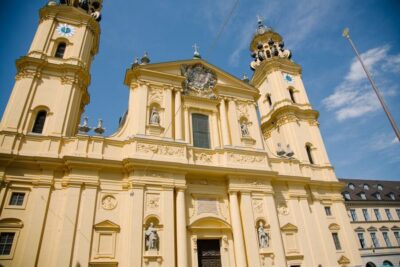
Munich 3-Hour Segway Tour: Nazi Munich & Royal Architecture
Read our review →
Fall in Love with Munich in a Private Old Town Walking Tour
Read our review →Browse the lists this tour appears in