

Reviewed · MUNICH THIRD REICH TOURS
Munich: Birthplace of the Third Reich Guided Walking Tour
Munich’s Nazi past is not tucked away in a distant museum. It is written into the city’s streets, former beer halls, surviving buildings, and memorials. On this 2.5-hour walk, you follow the early history of the Nazi movement in the places where it gathered support and moved toward power. I like that the route connects political events to real locations, and that it also makes room for victims and resistance. The setting gives the history weight.
I also like the reported strength of the guides: names such as Jake, Sam, Nic, Steve, and Aileen come up often, with clear explanations, lively storytelling, and room for questions. One consideration is that this is an outdoor walk about a painful subject. Cold, rain, or heat can make the 2.5 hours harder, and the topic calls for attention rather than light sightseeing.
At a glance: Munich’s Third Reich walking tour
- Duration: 2.5 hours, with English-language guiding.
- Price: $29 per person, a fair rate for a guided history walk of this length.
- Meeting point: Radius Tours office. Hotel pickup is not included.
- What you see: Beer halls tied to early Nazi gatherings and speeches, the official Nazi headquarters, buildings marked by war, and memorials to victims and opponents.
- What gives the tour its value: A guide links the places to the events, answers questions, and helps you understand how Munich became a center of the Nazi movement.
- Practical note: The walk takes place outdoors, so check the forecast and dress for the conditions.
Why Munich is the right place to tell this story
Munich was not simply a backdrop to the Nazi era. The tour traces how the city became an important base for the movement, from its early meetings and speeches to the failed putsch and later consolidation of power. Seeing the locations helps you connect those developments to streets and buildings you can still encounter today.
That connection is useful because political history can feel abstract when it is reduced to dates and names. Here, a former beer hall is not just an old building: it is part of the setting where a fringe movement first gathered followers. A government building is not just a façade: it points to the institutions and decisions that helped shape the period.
The route also puts Nazi-era sites beside memorials to those targeted by the regime and those who resisted it. That matters. A tour focused only on the rise of Hitler can leave you with a story about power and political strategy. This walk also asks you to consider the human cost and how the city remembers it.
More Third Reich and WWII tours in Munich:
- Munich: Third Reich & WWII Walking Tour
★ 4.6 · 6,181 reviews - Third Reich Walking Tour Munich
★ 4.5 · 4,291 reviews - Munich World War II Sites Including Dachau Concentration Camp
★ 4.5 · 570 reviews
From beer halls to a failed putsch
The walk begins at the Radius Tours office, then takes you into Munich’s historic center. The precise starting arrangement can depend on the option you select, but the central experience is a guided walk through the city. Transportation to the historic center is included; hotel pickup is not.
Early stops focus on the beer halls where the Nazi movement held small gatherings and where Hitler made important speeches. These places help explain how a political group built an audience and used public settings to spread its message. Your guide can connect the physical location with the wider story, making it easier to picture how ordinary civic life and extremist politics shared the same streets.
The tour also covers Hitler’s failed putsch, an attempt to seize power that became a defining episode in the movement’s early history. The value here lies in following the sequence: the tour is not just a set of photo stops, but a way to understand how the movement developed and how its setbacks fit into its later rise.
Expect the guide to do much of the interpretive work. The buildings alone may not tell you what happened inside or why a particular site mattered. Guides have been praised for explaining events in plain English, using photos to show how streets and buildings looked in the past, and taking questions along the way. Ask when something is unclear. This subject is full of names, groups, and turning points, and a good question can help bring the story into focus.
Streets shaped by conflict and propaganda
As the walk continues, the route follows streets associated with Hitler and the Brownshirts as they fought for influence. This is where the city’s layout becomes part of the lesson. Instead of viewing Nazi power as something that appeared all at once, you see the places tied to a longer political struggle.
The tour’s strength is its effort to explain how the movement gained prominence in Munich. A guide can connect the public speeches, party organization, street conflict, and political climate, helping you see how separate events fed into one another. The result is more useful than a list of dates, especially if you know the broad outline of the Third Reich but want to understand its local beginnings.
Guides have brought different strengths to the walk. Jake and Sam are among the names associated with lively, clear storytelling; Nic has been noted for keeping the route organized while answering individual questions; Steve has used a binder of photographs to compare historic views with the present-day street scene. The guide you meet will vary, but the recurring appeal is a mix of factual detail and approachable explanation.
Humor may appear, but the best guides use it with care. Several have been praised for balancing a difficult subject with a friendly manner, without making light of its victims. That distinction matters. The material can be grim, and a little warmth can help a group stay engaged, but the history should never become a punchline.
At the Nazi headquarters and sites of persecution
A major stop is the official Nazi headquarters. The building makes the party’s rise visible in a different way from the beer halls. The early venues show how the movement gathered and promoted its ideas; the headquarters points to the machinery of power that followed.
The surrounding area also contains buildings that bear marks of the Second World War. Much of central Munich was damaged by Allied bombing, while some Nazi-era buildings survived. Seeing those contrasts gives you a more complicated picture of the city: it is both a place shaped by the regime and a place altered by war.
The tour also visits the building where Goebbels plotted the Night of Broken Glass, known as Kristallnacht. This is a difficult part of the walk, and it should be. Kristallnacht marked a severe escalation in the persecution of Jewish people and a grim step on the road to the Holocaust. The guide’s role is to explain what happened in a way that keeps the event connected to the place, rather than treating it as a passing detail.
You should expect serious subject matter, not a dramatic reenactment. The tour is about understanding how persecution advanced and what that meant for the people targeted. It is also a chance to ask how a city’s public spaces can carry memories of violence long after the events themselves.
More walking tours in Munich:
- Munich: Old Town & Viktualienmarkt City Walk in German
★ 4.7 · 2,304 reviews - Munich: Night Watchman Walking Tour
★ 4.7 · 2,092 reviews - Munich Ghosts and Spirits Evening Walking Tour
★ 5.0 · 1,900 reviews - Munich Old Town Walking Tour
★ 4.5 · 1,287 reviews
Memorials that widen the story
The memorials to victims of Nazism and people who opposed it give the walk a necessary counterweight. They shift the focus from the party and its leaders to those who suffered under the regime, and to those who risked their lives to resist it.
This part of the tour is especially valuable if you have already studied the political history. It brings the question of remembrance into the street, where memorials sit alongside daily city life. Guides have also discussed how Germany has worked to confront its past and honor the victims. That context helps explain why memorials are not decorative stops, but part of the city’s ongoing public record.
The route’s emotional tone can be heavy. I would leave space afterward to think, talk, or visit a quieter place rather than rushing straight into another packed activity. You do not need to be a specialist to follow the tour, but a willingness to listen closely makes a real difference.
What the guide adds to the walk
The guide is the main reason to book this rather than simply walk past the same buildings on your own. Architecture can show you where something happened; a good explanation helps you understand why it mattered and what followed.
The tour has been led by guides including Jake, Sam, Nic, Steve, Aileen, Iain, and others. Your guide is not guaranteed, so it is better to book for the route and subject than for a particular person. Still, the strength of the guiding is a consistent point of appeal. Guides have been described as clear, engaging, open to questions, and able to handle a difficult topic with empathy.
Some guides also bring visual aids. Steve, for example, has used historic photographs to help you compare the present-day streets with earlier scenes. That can be especially helpful when a building has changed or when the historical significance is not obvious from its exterior.
The pace includes walking between stops and listening outdoors. One group found that very warm weather made a water break welcome; others completed the walk in freezing conditions or heavy rain. Bring water in hot weather, dress warmly in winter, and pack rain protection when the forecast calls for it. The weather is not part of the tour price, but it can shape your experience.
Is $29 good value?
At $29 per person, this is a sensible way to spend two and a half hours if you want a guided introduction to Munich’s Nazi-era history. You are paying for the route and, more importantly, the explanation that links the sites together. The tour can also help you make better sense of places you might pass on your own without recognizing their importance.
The price is particularly reasonable if you value time for questions and a guide who can put local events in context. A self-guided walk may cost nothing, but you would need to research the sites and build the historical sequence yourself. Here, the guide does that work while you move through the city.
It is not a museum visit, and the experience depends on being outdoors and standing at historic locations. You will not get the same depth as a full course on the Third Reich, nor should a single walking tour be expected to explain every part of Nazi history. Think of it as a focused city walk that gives you a stronger framework for understanding Munich’s role.
Who should book it, and who might skip it
I would recommend this tour to history-minded visitors, first-time visitors to Munich who want more than a general city walk, and anyone trying to understand how the Nazi movement rose from local beginnings. It also suits people who already know the broad story and want to connect it to actual places.
The tour works best if you are comfortable spending 2.5 hours outdoors and engaging with distressing material. It may not be the right fit if you want a light, relaxed introduction to Munich or prefer to learn about this subject indoors. Families should decide based on the ages and interests of the people in their group; the tour concerns antisemitism, persecution, war, and the Holocaust.
There is free cancellation up to 24 hours in advance, and you can reserve now and pay later. Check the available start times when booking. The tour is in English, meets at the Radius Tours office, and does not include hotel pickup.
Should you book this Munich history walk?
Book it if you want to see where the Nazi movement took root in Munich and hear a guide connect those sites to the rise of the Third Reich. The strongest reason to go is the combination of specific locations, clear storytelling, and memorials that keep victims and opponents in view.
Skip it if you are looking for a cheerful city stroll or do not want to spend a morning or afternoon with heavy subject matter. For $29, the tour offers good value for an informed, place-based history lesson. Dress for the weather, come ready to listen, and give yourself time afterward to reflect.
FAQ
How long is the tour?
The guided walk lasts 2.5 hours.
What language is the tour in?
The live guide speaks English.
Where does the tour meet?
The meeting point is the Radius Tours office.
Is hotel pickup included?
No. Hotel pickup is not included. Transportation to Munich’s historic center is included.
What places does the tour visit?
The walk includes beer halls associated with early Nazi gatherings and speeches, the official Nazi headquarters, sites linked to Kristallnacht, buildings marked by the Second World War, and memorials to victims and opponents of Nazism.
Can I cancel for a refund?
Yes. You can cancel up to 24 hours in advance for a full refund.
Just added in Munich
- Private Dachau Concentration Camp Tour with Private Transfer from Munich★ 5.0 · 16 reviews
- In Depth Dachau Concentration Camp Tour (Private Tour)★ 5.0 · 43 reviews
- Private One-way Airport Transfer Munich Airport To Munich★ 4.0 · 18 reviews
- Half-Day Private Dachau Concentration Camp Tour From Munich★ 5.0 · 29 reviews
- Private Departure Transfer: Munich Airport★ 3.0 · 17 reviews
- Munich Highlights 3-Hour Private Walking Tour★ 5.0 · 4 reviews
- Munich : Private Walking Tour with Local Guide ( Private tour )★ 4.5 · 31 reviews
- Premium Private Foodie Experience with Local – all tastings included★ 5.0 · 5 reviews
Munich Third Reich Tours, compared.

Munich World War II Sites Including Dachau Concentration Camp
Read our review →
Munich City Walking Tour, includes Third Reich & Viktualienmarkt
Read our review →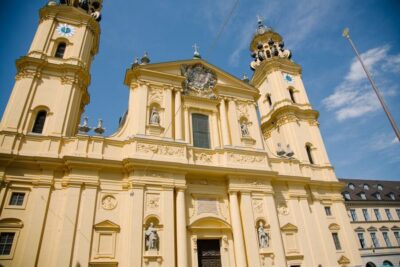
Munich 3-Hour Segway Tour: Nazi Munich & Royal Architecture
Read our review →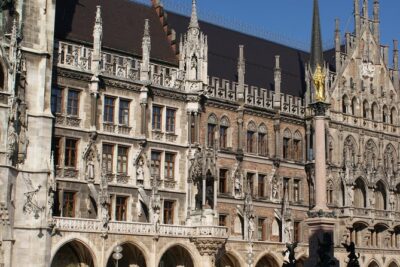
Dachau Concentration Camp Memorial Site And Third Reich Day Tour From Munich
Read our review →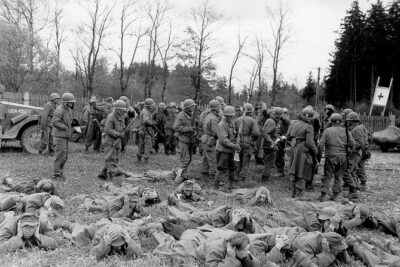
Eagle’s Nest-Berchtesgaden-Obersalzberg Private Half Day WWII Historical Tour
Read our review →Browse the lists this tour appears in