
Reviewed · MUNICH THIRD REICH TOURS
Munich City Walking Tour, includes Third Reich & Viktualienmarkt
Munich’s best introduction may be a walk that mixes its famous squares with the everyday advice you need to explore on your own. This 3-hour-15-minute tour links landmarks including the Frauenkirche, Marienplatz, and Odeonsplatz with discussion of Bavarian culture and the Third Reich. I like that it pairs practical city tips with a market stop, and that a group capped at 20 can feel more personal than a large coach tour.
I also like the chance to hear Munich’s past connected to its present, rather than collecting dates and facades without context. The trade-off is that the guide’s explanations can run long, and the tour spends much of its time outdoors. If you want brisk sightseeing or a dedicated, in-depth Third Reich itinerary, this may not be the right fit.
- A useful first-day orientation: Get local advice on getting around Munich and choosing what to see next.
- A thoughtful historical thread: The guide discusses the Third Reich alongside Munich’s wider story, though the route does not list a dedicated Nazi-era site.
- A market lunch pause: Stop at Viktualienmarkt for Bavarian food and beer, with food and drinks not included in the tour price.
- A walk through central Munich: See landmark churches, medieval gates, grand squares, and the city’s famous market.
- A small group: The maximum is 20 people, and the tour is offered in English.
- A little weather planning required: Most of the experience is outdoors, so dress for the season and be ready to stand while the guide talks.
Start with the story behind the streets
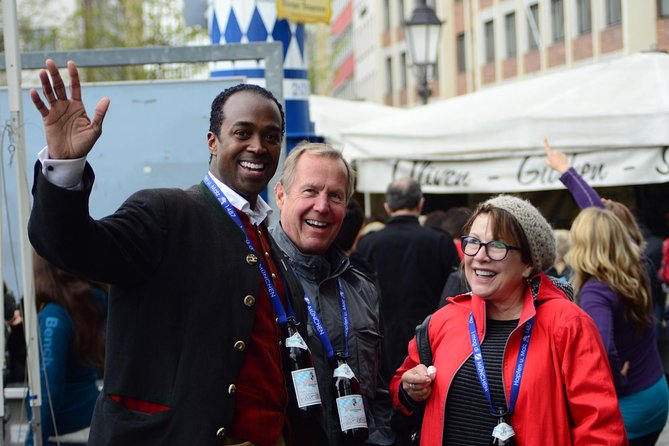
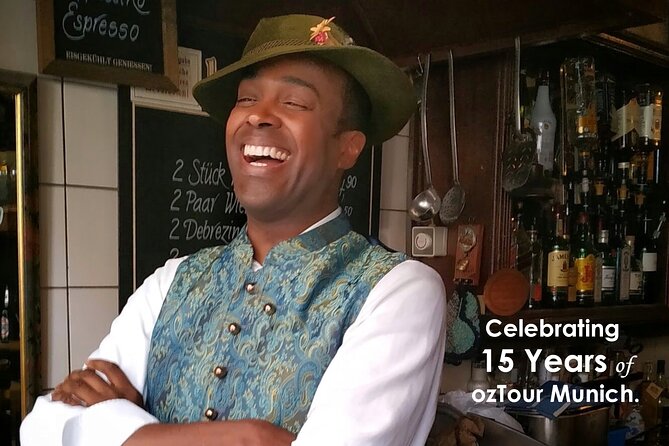
This tour is less a march from monument to monument than a guided orientation to Munich. The main sights provide the setting, but the strongest reason to book is the extra context: guides such as Ozzie, also called Ozzy or Oz, have been praised for connecting city history with Bavarian identity, present-day life, and useful tips for exploring independently. Patrick is another guide named by participants. You cannot count on a particular guide being assigned.
That conversational approach can make a three-hour walk feel like a city primer rather than a checklist. You may come away with a better grasp of how Munich’s landmarks fit together and what to do after the tour. The flip side is that there can be a lot of standing as the guide talks. If you prefer short explanations and constant movement, the format may test your patience, especially in cold weather.
The tour is listed at about 3 hours and 15 minutes. Some accounts describe a longer experience, so avoid scheduling a tight appointment immediately afterward. You will cover a sequence of central sights on foot, with a longer pause at Viktualienmarkt. The maximum group size is 20, which leaves more room for questions than a much larger group, though it is still a group walk, not a private tour.
From Frauenkirche to Munich’s medieval center
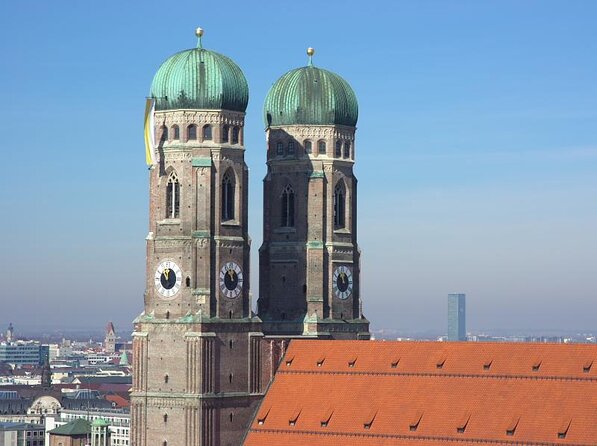
The Frauenkirche is one of Munich’s most recognizable landmarks, with twin towers that shape the city’s skyline. Built in the 15th century, it serves as the seat of the Archbishop of Munich and Freising. The stop is listed as about 10 minutes, enough for an introduction and a look at its late Gothic exterior and vast interior if the group goes inside.
The church’s crypt and the famous Devil’s Footstep add memorable details to its story. But do not expect a long visit: the listed admission is free, and the short stop leaves little time for an independent look around. If the interior matters to you, plan to return on your own.
The German Hunting and Fishing Museum is also part of the route. Housed in a former Augustinian church, it has exhibits on German hunting and fishing, including wildlife, antique weapons, and the fanciful Bavarian Wolpertinger. The museum’s substantial collection could easily fill a separate visit, but the tour description does not set out a visit duration or confirm that the group enters. Treat this as a point of interest unless your guide says otherwise.
Near the Hofbräuhaus, you get a glimpse of Munich’s beer-hall tradition. The famous hall dates to 1589 and began as a royal brewery. Its grand rooms, Bavarian beer, hearty food, and traditional music make it an emblem of the city, but this is not described as a full meal stop. The itinerary gives the stop about 10 minutes, so think of it as a brief introduction rather than time to settle in for a long lunch.
Isartor offers a different kind of history. Built in 1337 as part of Munich’s fortifications, it is one of the city’s surviving medieval gates. Its central tower and historic frescoes make the structure easy to picture as an entrance to the old city. The Valentin-Karlstadt Museum inside is dedicated to Bavarian comedian Karl Valentin, though the listed five-minute stop is too short to include a museum visit.
More Third Reich and WWII tours in Munich:
- Munich: Third Reich & WWII Walking Tour
★ 4.6 · 6,181 reviews - Third Reich Walking Tour Munich
★ 4.5 · 4,291 reviews - Munich: Birthplace of the Third Reich Guided Walking Tour
★ 4.6 · 771 reviews
Marienplatz and the royal city
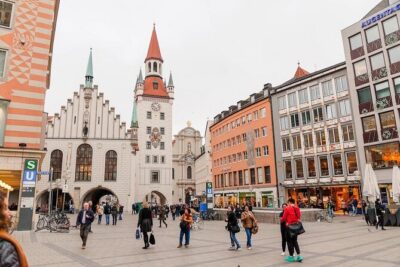
Marienplatz has been Munich’s central square since 1158, and it is one of the most rewarding places to hear the city’s story. The New Town Hall and its Glockenspiel draw the eye, while the Mariensäule and nearby shopping streets add layers to the square’s busy daily life. The tour allows about 25 minutes here, more than at most stops, giving your guide time to explain the setting and leave room to take it in.
This is a useful moment to connect Munich’s old center with the city you see today. It is also a popular public square, so expect people and activity around you rather than a quiet, museum-like visit. If you want to watch the Glockenspiel at a particular time or inspect the town hall more closely, check the schedule and plan a return visit; the tour does not promise a performance.
Max-Joseph-Platz shifts the mood from medieval lanes to formal architecture. The square is framed by the National Theatre and Munich Residenz, with a statue of King Maximilian Joseph at its center. The five-minute stop gives you a quick look at the neoclassical setting and its role as a cultural hub. You will not have time to explore the Residenz or attend an opera during this walk.
The Maximilianeum, another stop on the route, began as a project founded by King Maximilian II in 1852 to support gifted students. Since 1949, the building has housed the Bavarian State Parliament. Its position above the Isar River makes it an impressive sight, though the tour information does not specify how long the group spends there or whether you enter. The point is the building and its continuing public role, not an interior visit.
Platzl adds a more intimate pocket of old Munich. Cobblestones, historic buildings, restaurants, and the ornate Orlandohaus give the square a traditional feel, while the Hofbräuhaus sits nearby. Because the famous beer hall is already part of the route, this area helps you see how its surroundings fit into the historic center. It is also a practical place to remember for a later meal, though you will need to return on your own if you want more time.
Churches, squares, and the Third Reich
St. Michael’s Church is Munich’s largest Renaissance church, built in the late 16th century as a center for the Jesuit order. Its facade and broad barrel-vaulted ceiling show early Baroque influence, and its royal crypt holds Bavarian rulers. The listed stop is about 10 minutes. That is enough for a concise introduction, but not necessarily for an unhurried inspection of the church and crypt.
St. Peter’s, known locally as Alter Peter, is the city’s oldest parish church, dating to the 12th century. Its interior brings together Gothic, Baroque, and Rococo features. The church tower rises 91 meters and is known for its city views, but the five-minute stop does not include a stated tower visit. If seeing the panorama is a priority, ask your guide about visiting separately and allow extra time.
A small Art Nouveau detail appears at the Wolfsbrunnen, a fountain created in 1904 by sculptors Heinrich Düll and Georg Pezold. Its bronze scene shows Little Red Riding Hood and a wolf. The Wolf family commissioned it to commemorate their name, an unusual bit of local history amid the larger churches and squares.
Odeonsplatz is among the tour’s major stops, with about 15 minutes to take in its grand scale. Designed in the early 19th century by Leo von Klenze, it includes the Theatine Church and the Feldherrnhalle, alongside the Residenz. The Italian-inspired architecture and the start of Ludwigstraße make it a natural place to discuss how Munich presented itself as a royal capital.
The tour is titled to include the Third Reich, and that subject matters in a city whose history cannot be understood through architecture alone. Participants describe guides discussing it sensitively and relating past events to current German politics. Still, the listed route does not identify a dedicated Third Reich memorial or site, and some people who wanted more time on this subject felt the coverage was brief. Book this walk for historical context woven into a wider city tour, not as a specialist Nazi-era itinerary.
The endpoint is Odeonsplatz, giving you a central place to continue exploring after the group finishes. The published route also lists Karlsplatz and Viktualienmarkt, so the precise order of stops may vary or be presented differently. Check with the guide on the day if you need to coordinate a meeting or onward plan.
A market break with a Bavarian bite
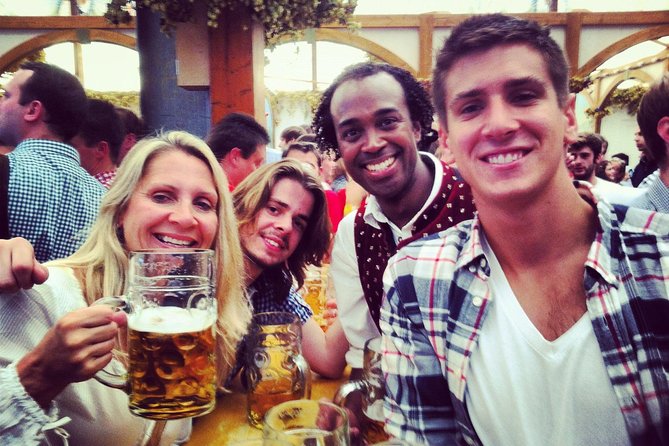
Viktualienmarkt is a fitting pause after several hours among churches, gates, and squares. This open-air market began in the early 19th century as a farmers’ market and now sells fresh produce, Bavarian specialties, and handmade goods. Its beer garden and maypole give the place a distinctly local feel, while the food stalls make it more than a pretty backdrop.
The break is listed as about 30 minutes. A sample meal includes a Bavarian bratwurst, with regular, spicy, or cheese options, or Bavarian potato salad with a pretzel, plus Bavarian beer. A reusable beer bottle holder is also named in the sample menu. However, the tour’s included items list guided touring only, and snacks are listed as not included. Budget for your food and drink, and confirm the exact arrangements before booking if the meal is a deciding factor.
This stop is a good value in another way: it gives you a chance to see how locals shop and eat, rather than keeping the whole experience inside historic squares. But half an hour is a short market visit. If you want to browse at a relaxed pace or try several stalls, plan to return after the tour.
More food tours in Munich:
- Munich: Old Town & Viktualienmarkt City Walk in German
★ 4.7 · 2,304 reviews - Bavarian Beer and Food Evening Tour in Munich
★ 4.5 · 1,575 reviews - Munich: Viktualienmarkt Food Tour
★ 4.5 · 1,127 reviews - Munich: Beer and Food Tour with Dinner & Oktoberfest Museum
★ 4.7 · 1,086 reviews
What the $31.78 price buys

At $31.78 per person, the price is reasonable for a guided walk lasting a little over three hours, particularly if you use it to get oriented early in your stay. You are paying for the guide’s interpretation and local advice, not entry to museums or a meal. The listed stops generally have free admission, and no paid attraction entry is included.
The market break is useful, but it does not make the tour an all-inclusive food experience. Add the cost of your chosen snack and drink to your budget. You may also want to set aside time and money for attractions you decide to revisit, such as the Frauenkirche interior or St. Peter’s tower, since the short stops do not guarantee a full visit.
The maximum group size of 20 is a sensible middle ground. It is small enough for questions and conversation, but large enough that you may need to stay close to the guide, particularly in crowded areas. The tour is offered in English and starts at Schützenstr 11, near public transportation. It ends at Odeonsplatz, so your starting and finishing points differ.
Who will enjoy this walk most
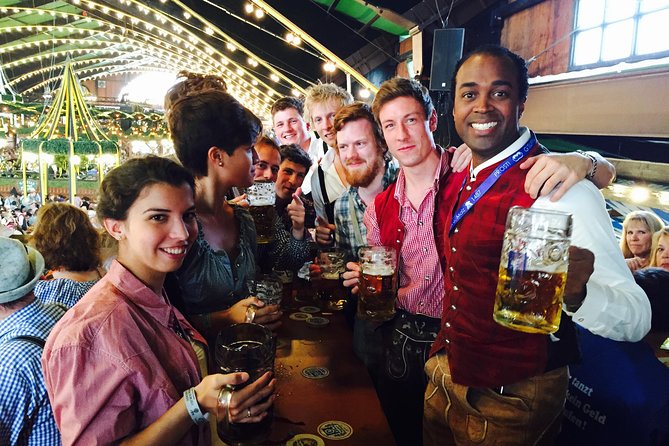
I would choose this tour for a first day in Munich, especially if you want help planning the rest of your stay. The combination of landmarks, practical navigation advice, Bavarian culture, and historical context gives you a useful foundation. People who enjoy a guide with room to tell longer stories will get more from it than those who want a fast-moving photo stop at every corner.
It can suit families and a broad range of fitness levels, but remember that it is a walking tour with extended outdoor portions. You may need to stand while the guide speaks. Warm clothes matter in winter, and comfortable shoes make sense year-round. One participant described continuing despite temperatures of minus two degrees; another found cold and snowy conditions uncomfortable. The weather can change the feel of the same route considerably.
Most of the strongest praise centers on the guides’ ability to make history lively, explain Bavarian culture, and offer useful tips for getting around. Ozzie, also spelled Ozzy or Oz, is especially often named, and Patrick is mentioned as well. Their style may be a major part of the experience, but no specific guide is guaranteed. Free cancellation is available up to 24 hours before the start time; closer cancellations are not refundable.
Should you book it?
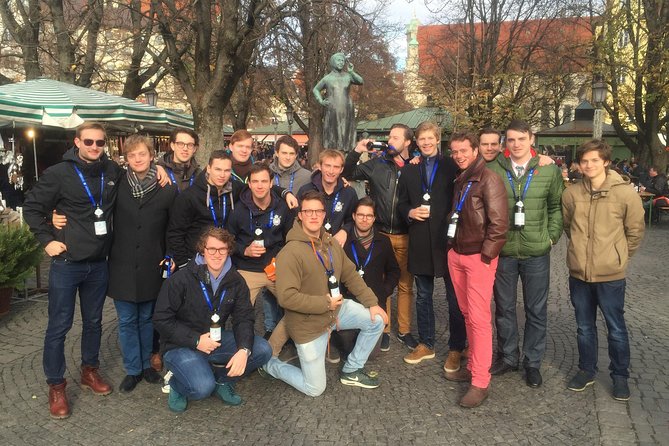
Book this walk if you want a broad, human introduction to Munich, are comfortable spending several hours outside, and like history delivered through conversation. It is particularly useful at the start of a visit, when local advice can help you choose what to do next. Go in expecting a city overview with Third Reich discussion, not a specialist tour devoted to that period.
Skip it if you need a brisk pace, want extensive time inside attractions, or prefer a tightly focused itinerary with minimal narration. If you do book, dress for the weather, bring comfortable walking shoes, and budget separately for food at Viktualienmarkt. For many first-time visitors, that combination of orientation, history, and market culture makes the price worthwhile.
FAQ
How long is the Munich walking tour?
The tour lasts approximately 3 hours and 15 minutes. Some accounts describe a longer outing, so leave a little flexibility in your schedule.
What language is the tour offered in?
The tour is offered in English.
Where does the tour start?
It starts at Schützenstr 11, 80335 München, Germany.
Where does the tour end?
The stated end point is Odeonsplatz, Odeonspl. 3, 80539 München, Germany.
What is the maximum group size?
The group is limited to a maximum of 20 travelers.
Is food included in the price?
The included item is the guided tour. Snacks are listed as not included, so plan to pay separately for food and drinks at Viktualienmarkt.
What food is available during the market break?
The sample menu lists a Bavarian bratwurst in regular, spicy, or cheese style, or Bavarian potato salad with a pretzel. It also lists Bavarian beer and a reusable beer bottle holder.
Does the tour cover the Third Reich?
The tour includes discussion of the Third Reich, but the route does not name a dedicated Nazi-era site. The historical subject is presented within a broader Munich city tour.
Is the tour suitable for most people?
The tour information says most travelers can participate. Expect several hours of walking and substantial time outdoors, including periods when you stand to listen.
Can I cancel for a refund?
You can cancel for a full refund at least 24 hours before the experience starts. Cancellations made less than 24 hours before the start time are not refundable.
More walking tours in Munich
- Munich: Night Watchman Walking Tour
★ 4.7 · 2,092 reviews - Munich Ghosts and Spirits Evening Walking Tour
★ 5.0 · 1,900 reviews - Munich Old Town Walking Tour
★ 4.5 · 1,287 reviews - Munich: Walking Tour Old Town and Viktualienmarkt
★ 4.7 · 839 reviews
Just added in Munich
- Private day trip from Munich to Eagle’s Nest, Salzburg and back★ 4.5 · 15 reviews
- Private Castle Tour from Munich: Neuschwanstein, Hohenschwangau, and Linderhof★ 4.5 · 12 reviews
- Private Eagle’s Nest Tour from Munich ending in Salzburg★ 5.0 · 8 reviews
- Private Day Trip from Munich to Eagle’s Nest and Hallstatt★ 4.5 · 9 reviews
- Private day trip from Munich to Salzburg and Hallstatt★ 4.5 · 17 reviews
- Private Day Trip from Munich to Neuschwanstein and Linderhof★ 4.0 · 11 reviews
- Private day trip: Munich to Neuschwanstein Castle, local driver★ 4.5 · 3 reviews
- Private Day Trip Munich to Harburg, Dinkelsbuhl & Rothenburg★ 4.5 · 24 reviews
Munich Third Reich Tours, compared.

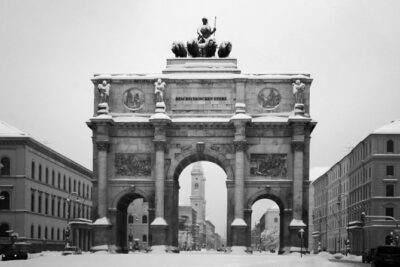
Munich World War II Sites Including Dachau Concentration Camp
Read our review →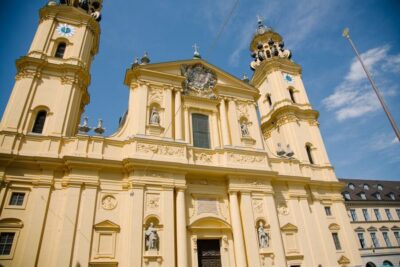
Munich 3-Hour Segway Tour: Nazi Munich & Royal Architecture
Read our review →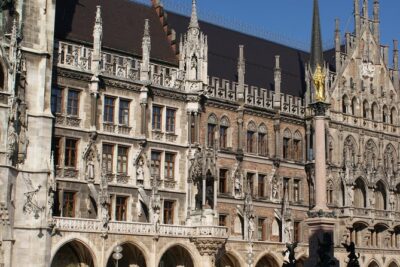
Dachau Concentration Camp Memorial Site And Third Reich Day Tour From Munich
Read our review →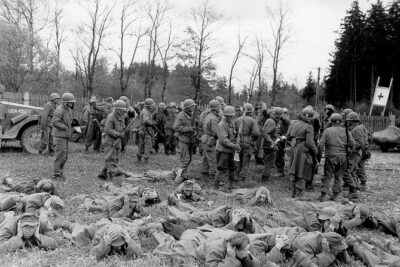
Eagle’s Nest-Berchtesgaden-Obersalzberg Private Half Day WWII Historical Tour
Read our review →
Third Reich and World War II Segway Tour of the City
Read our review →Browse the lists this tour appears in