
Reviewed · OBERAMMERGAU TOURS
Oberammergau Private Guided Walking Tour
Oberammergau’s painted house fronts are only the opening scene. On this private walk, you’ll hear how a small village in the Ammer Valley became known for its wood carving, its Passion Play and its links to pilgrims bound for Rome.
I like two things in particular: the tour connects familiar sights to specific local stories, from the village’s early monastery to its wartime role, and the private format lets your guide tailor the walk to your group. Ekaterina, who led one tour, brought the history to life with lively interaction and clear storytelling.
The main consideration is time. Ninety minutes goes quickly when the story stretches from the late Bronze Age to World War II, so expect an introduction rather than an exhaustive tour. Entrance fees are not included, and the exact route is not specified.
Key points to know before you book
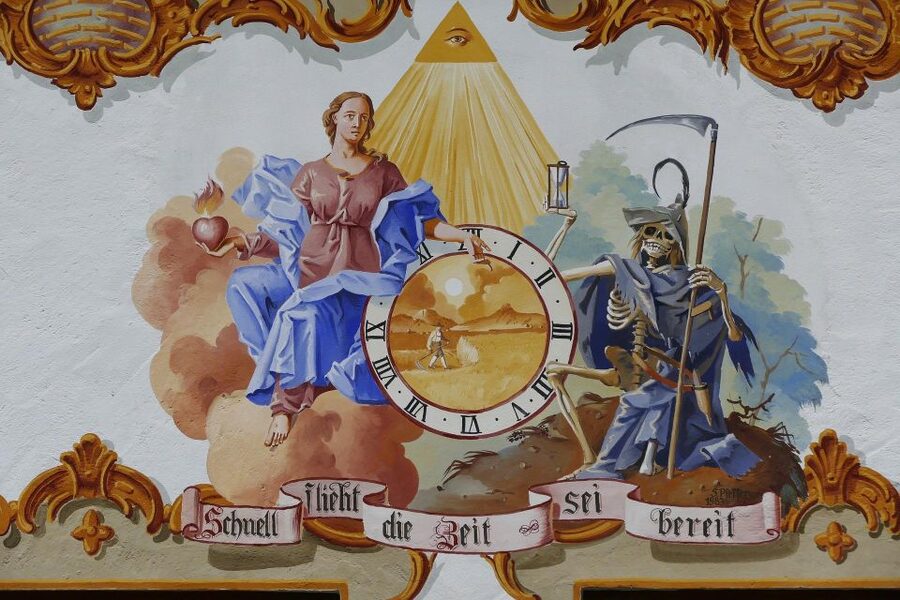
- Märchenhäuser: Look for house paintings that draw on German fairy-tale traditions and add a playful note to the village streets.
- Wood carving and pilgrimage: Learn how the town’s position on routes between Germany and Italy helped pilgrims and markets spread its carving tradition.
- The Passion Play: Hear how plague and the Thirty Years’ War connect to the village’s famous performance of Christ’s final days.
- A private guide: Your group has the guide to itself, with possible on-the-spot customization.
- A compact walk: The tour lasts 90 minutes and costs $280 for a group of up to 15, not $280 per person.
- A complicated past: The story includes a monastery, Ettal, wartime headquarters and a Messerschmitt factory.
Start at the tourist office, then read the village
Meet your guide in front of the tourist office at Eugen-Papst-Straße 9A, in Oberammergau. The tour is a private walking experience, so you do not have to keep pace with a larger group or wait while a guide addresses strangers. That can make a short tour feel more personal, especially if you want to ask questions or spend more time on one subject.
The walk takes place in the village, which sits in the Ammer Valley and takes its name from the Ammer River. You’ll be looking at streets and buildings while your guide puts them in context: how the settlement developed, why pilgrims passed through, and how local craft became part of Oberammergau’s identity.
The route is not laid out stop by stop in the information provided, so don’t book expecting a fixed sequence of named sites. The guide may customize the tour on the spot. If you have a special interest, such as the Passion Play, wood carving or the town’s wartime history, tell your guide at the start and use that flexibility.
More Oberammergau trips from Munich:
- Neuschwanstein Castle, Ettal Abbey and Oberammergau Private Tour from Munich
★ 5.0 · 160 reviews - Half Day Private Tour Linderhof Castle & Oberammergau incl Ettal
★ 4.5 · 119 reviews - Neuschwanstein, Wieskirche, Oberammergau, Linderhof from Fuessen
★ 5.0 · 17 reviews
Painted houses, fairy tales and everyday streets
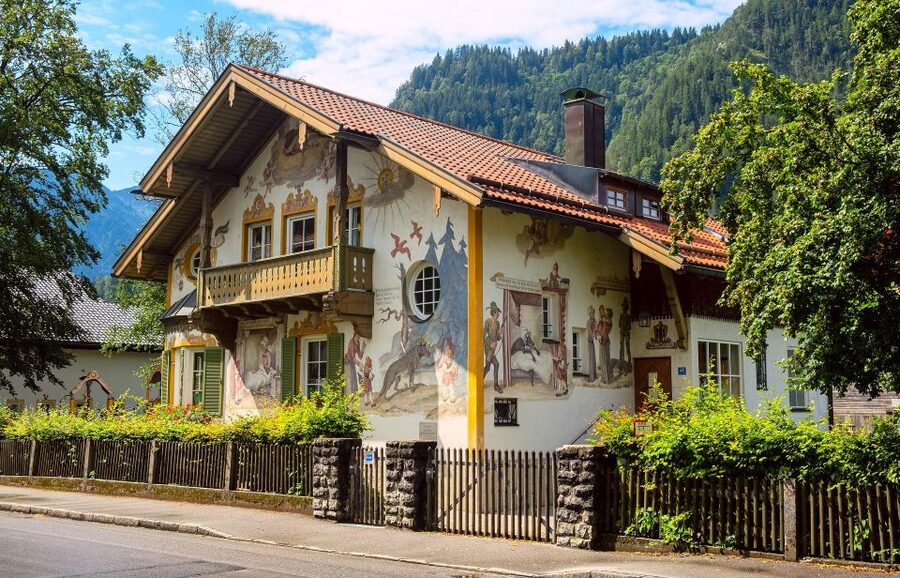
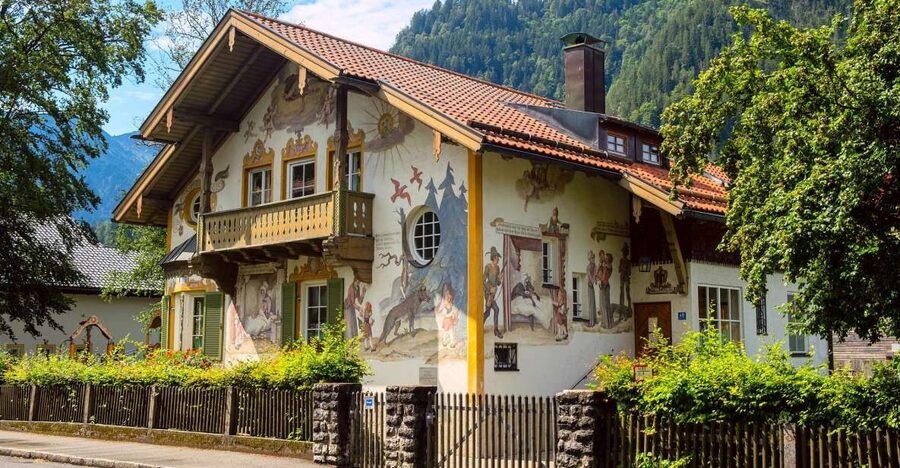
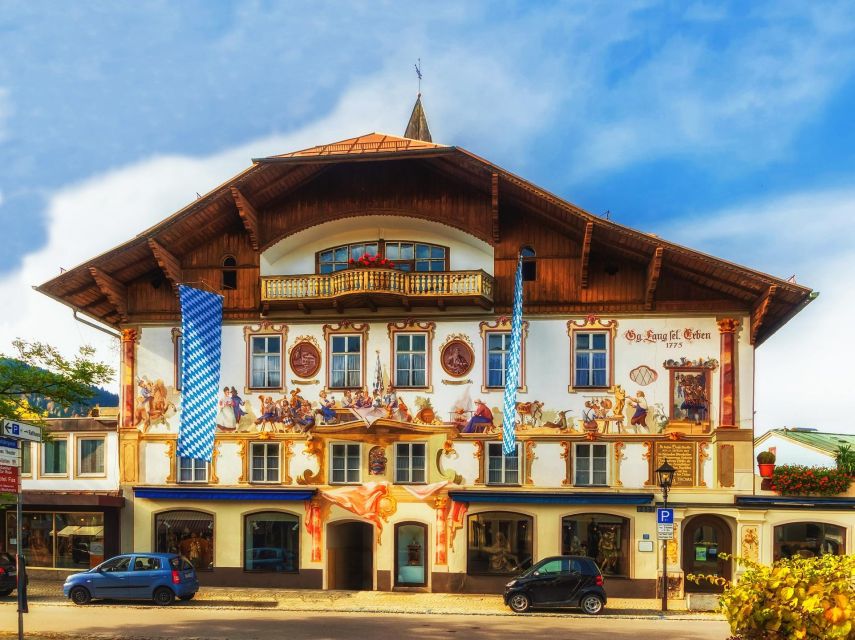
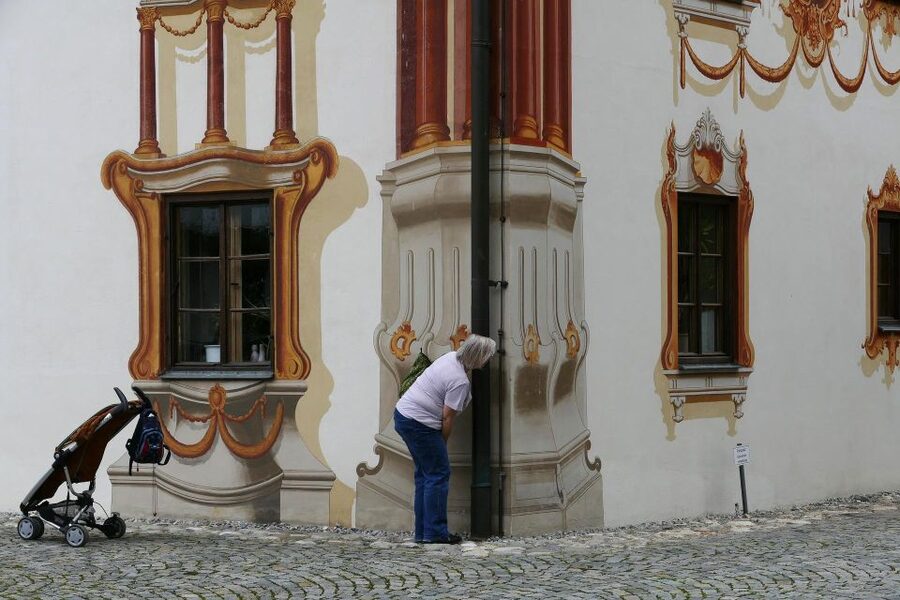
Oberammergau’s 18th-century frescoes are among the most visible reasons to walk through the village. The paintings decorate houses, turning ordinary street fronts into part of the town’s cultural story. Their appeal is immediate, but a guide can help you move past the simple question of whether a façade is pretty and consider how local religious and folk traditions shaped the images.
The Märchenhäuser bring a different mood. The word refers to fairy-tale houses, and the tour connects them with German oral folklore gathered by the Brothers Grimm in the early 19th century. That gives you a chance to see the village as more than a collection of sacred images and alpine scenery. Its character mixes the devotional with the fanciful, and the contrast is part of the pleasure.
I’d bring your attention to the details rather than hurry from one painted wall to the next. A short guided walk is useful here because the visual clues can be easy to overlook when you do not know what they refer to. At the same time, the tour is only 90 minutes, so you may need to choose between lingering over the house paintings and hearing more of the village’s long history.
From a small monastery to a stop on the road to Rome
Oberammergau’s roots reach back to the late Bronze Age, while the village as it is known today began with a small monastery in the 9th century. That early religious connection helps explain why the town’s story is tied to pilgrimage as well as to local life.
Its position between Germany and Italy made it a stopping place for pilgrims travelling toward Rome. Pilgrimage routes brought people through the valley, while markets helped goods and ideas circulate. From the 14th century onward, those routes and exchanges helped make Oberammergau a focal point for wood carving.
That context matters if you’re trying to understand why carving became so closely associated with the village. It was not simply a local pastime that grew in isolation. Pilgrims and markets linked Oberammergau to a wider movement of people, and the craft developed within that setting.
The nearby Ettal Monastery is another thread in the story. You’ll hear about Oberammergau’s connection to Ettal and its elite boarding school, though the tour’s short duration means this is likely one strand among several rather than a long visit focused only on the monastery. The experience is a walk through the village, not an entrance-based tour of religious buildings.
Wood carving with a wider story behind it
Oberammergau’s wood carving tradition is centuries old, and the tour connects it to the town’s location and trade. That makes the subject more interesting than a quick look at carved objects in a shop window. You get a sense of the conditions that helped the craft take root and spread.
The tour information does not promise a workshop visit, a carving demonstration or time inside a shop. Treat this as a historical introduction to the tradition, not a hands-on craft session. If you’re especially interested in buying a carving or seeing the work up close, ask your guide what can fit into the route, keeping in mind that entrance fees are not included and the schedule is brief.
For visitors who only have a little time in Oberammergau, the historical link is useful. It gives you a framework for noticing the craft around town and for understanding why it belongs in the same conversation as pilgrimage and local markets. It also helps balance the tour: the village is known for painted houses and the Passion Play, but carving adds a different, practical dimension to its history.
More walking tours in Munich:
- Munich: Third Reich & WWII Walking Tour
★ 4.6 · 6,181 reviews - Third Reich Walking Tour Munich
★ 4.5 · 4,291 reviews - Munich: Old Town & Viktualienmarkt City Walk in German
★ 4.7 · 2,304 reviews - Munich: Night Watchman Walking Tour
★ 4.7 · 2,092 reviews
Plague, the Thirty Years’ War and the Passion Play
The Passion Play is central to Oberammergau’s identity. The tour explains how the Thirty Years’ War and the return of the Black Plague led to the origins of the performance, which represents the final days of Christ. This is the point where local religious history becomes a public tradition on a much larger scale.
You’ll hear why the play is distinctive and learn about its exclusive cast. The information provided does not give details about casting rules or performance dates, so use the walk to understand the play’s local roots rather than expect a full production guide. It is still a valuable subject even if you are not visiting during a performance: it helps explain why the village is known far beyond its size.
The story also gives the village’s sacred and everyday sides a common thread. Frescoes, pilgrimage, the play and the local calendar are not separate attractions. They all reflect how religious life shaped the town over time. Your guide’s explanations can make that connection clearer than a quick look at façades alone.
World War II history beyond the postcard view
The tour also addresses Oberammergau’s role during World War II, including a Wehrmacht headquarters and a Messerschmitt factory. These are stark chapters in a town more often associated with fairy-tale house paintings and a religious play. Their presence gives the walk a more complicated view of local history.
The supplied details do not promise access to wartime buildings or factory sites. Expect the guide to discuss the history as part of the walk, rather than assume you will enter a preserved military or industrial site. If this subject matters to you, ask how much of the 90 minutes can be devoted to it.
I value this part of the tour because it avoids treating Oberammergau as a picturesque village frozen in the past. The town’s story includes faith, craft and folklore, but also wartime institutions and industry. A guide can help you hold those histories together without reducing the place to a single famous tradition.
What the private format is worth
The price is $280 per group of up to 15. For a group of four, that works out to $70 per person; with eight people, it is $35 each; and with the full 15, it is about $18.67 per person. The value improves as your group grows, though a couple or small family will pay more per person for the same 90 minutes.
What you are paying for is a local professional guide dedicated to your group, plus the chance to adjust the tour on the spot. That is useful if you want questions answered, prefer a particular subject or are visiting with people whose interests differ. A private guide can make a short walk more responsive than a standard group tour.
This is less compelling if you prefer a long, slow visit or want guaranteed entry to specific sites. Entrance fees are not included, and no particular interior visit is promised. The tour’s strongest value is the interpretation: a guide joins the town’s visible details to its history.
One tour was led by Ekaterina, who guided a group of four with lively interaction and clear historical stories. That is a helpful indication of the personal approach the format can allow, but it does not guarantee you will be assigned the same guide. The tour’s overall rating is 4.7 out of 5 from five ratings, a small sample, so I would treat it as a positive signal rather than a firm measure of every guide or outing.
Who should book this walk
Book it if you want a compact, guided introduction to Oberammergau’s main themes and prefer a conversation to a self-guided stroll. It suits first-time visitors, history-minded walkers and small groups who want the freedom to ask questions. The mix of fairy-tale imagery, religious tradition, craft and wartime history makes it a good fit if you like towns with more than one story to tell.
It also works well if Oberammergau is one stop in a broader visit and you have limited time. In 90 minutes, you can get a useful frame for what you see around town. Just keep your expectations realistic: this is an overview, not an in-depth study of every era or a promise of entry to historic interiors.
If you are deciding based on price, consider your group size. A group of ten or more gets a relatively low per-person cost, while a couple pays a premium for privacy and a dedicated guide. That premium may be worthwhile if you value interaction and a route that can respond to your interests.
You can book now and pay later, and cancellation is free up to 24 hours before the tour for a full refund. The tour is offered in English and German. If you want the most from it, arrive ready with one or two questions, and tell the guide early which threads matter most to you.
FAQ
How long is the Oberammergau walking tour?
The tour lasts 90 minutes.
What is the price, and how many people can join?
The price is $280 per private group of up to 15 people.
Where does the tour meet?
Meet in front of the tourist office at Eugen-Papst-Straße 9A, 82487 Oberammergau, Germany.
What languages are available?
The live tour guide speaks English or German.
Is the tour private?
Yes. The guide is reserved for your group, and the group limit is 15 people.
Are entrance fees included?
No. Entrance fees are not included.
Can I cancel or pay later?
Yes. You can reserve now and pay later, and you can cancel up to 24 hours in advance for a full refund.
More private tours in Munich
- Munich Private Tour with a Local – Highlights & Hidden Gems
★ 5.0 · 469 reviews - Mike’s Neuschwanstein & Linderhof Private Tour from Munich
★ 5.0 · 197 reviews - Dachau Concentration Camp Private Tour by Train from Munich
★ 5.0 · 185 reviews - Neuschwanstein & Linderhof Castle Luxury Private Tour from Munich
★ 5.0 · 171 reviews
Just added in Munich
- Private day trip from Munich to Eagle’s Nest, Salzburg and back★ 4.5 · 15 reviews
- Private Castle Tour from Munich: Neuschwanstein, Hohenschwangau, and Linderhof★ 4.5 · 12 reviews
- Private Eagle’s Nest Tour from Munich ending in Salzburg★ 5.0 · 8 reviews
- Private Day Trip from Munich to Eagle’s Nest and Hallstatt★ 4.5 · 9 reviews
- Private day trip from Munich to Salzburg and Hallstatt★ 4.5 · 17 reviews
- Private Day Trip from Munich to Neuschwanstein and Linderhof★ 4.0 · 11 reviews
- Private Day Trip Munich to Harburg, Dinkelsbuhl & Rothenburg★ 4.5 · 24 reviews
- Private day trip from Munich to Eagle’s Nest and Salzburg★ 4.5 · 9 reviews
Oberammergau Tours, compared.

Neuschwanstein Castle, Ettal Abbey and Oberammergau Private Tour from Munich
Read our review →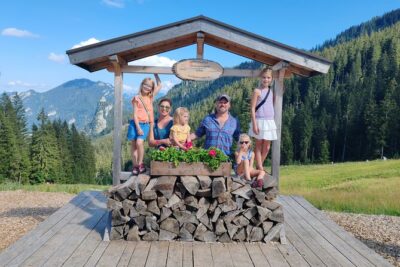
Half Day Private Tour Linderhof Castle & Oberammergau incl Ettal
Read our review →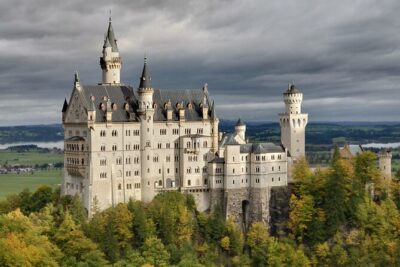
Neuschwanstein, Wieskirche, Oberammergau, Linderhof from Fuessen
Read our review →
Day trip: Munich>Neuschwanstein>Linderhof>Ettal>Oberammergau
Read our review →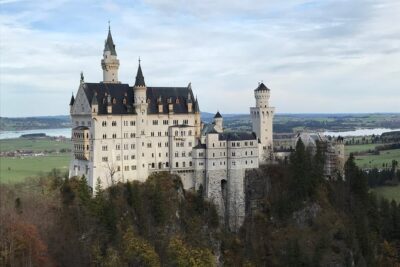
Private Neuschwanstein castle tour from Oberammergau village
Read our review →Browse the lists this tour appears in