
Reviewed · MUNICH THIRD REICH TOURS
Munich: Historical Walking Tour on the Rise of Hitler
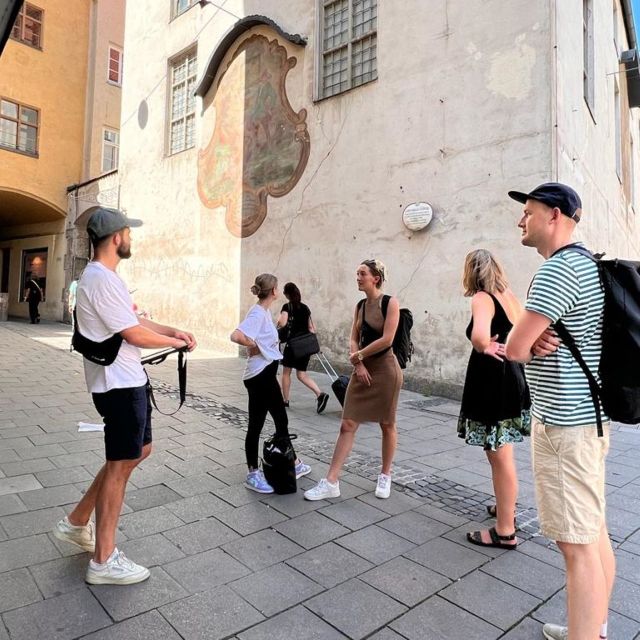
Munich’s Nazi past is not tucked away in a museum: propaganda-era buildings and squares still shape the city’s streets. On this 2.5-hour walking tour, local guide Alex traces how Munich became the movement’s center. I especially like the chronological approach, which links events to the places where they unfolded, and Alex’s personal connection to the city and its history.
The main consideration is the German-only commentary. You’ll also be on your feet for much of the tour, and the walk takes place rain or shine, so bring comfortable shoes and clothes suited to the weather.
- Start at the Marian Column: Meet Alex at the large column on Marienplatz, a central and easy-to-recognize meeting point.
- Follow events in chronological order: The route is designed to help you understand how the Nazi movement grew, rather than leave you with a disconnected list of sites.
- See propaganda-era buildings and squares: Learn how these places were built or repurposed, and why many still affect Munich’s cityscape.
- Connect public spaces with key events: The tour addresses speeches, Nazi parades, and the city’s experience of bombing.
- Ask questions as you go: Alex welcomes questions and plans brief pauses along the way.
- Pay $30 for a focused history walk: The price includes a guide and local recommendations, but not hotel pickup.
Why Munich became the movement’s center
Munich today is often associated with art, culture, and a relaxed city life. This tour asks you to look at that familiar setting from another angle: how did a flourishing cultural center become the birthplace of National Socialism? The answer is not one moment or one building. It is a chain of political events, public gatherings, and choices that made the city central to Hitler’s rise.
The tour puts that story on the streets, where architecture and public space help make the past legible. Rather than treating Nazi history as a distant chapter, Alex connects it to places in the city you can still see. Many propaganda buildings survived the war, and their presence gives the walk a sobering physical focus.
That approach matters. You can read about the period anywhere, but a guide can show how buildings and squares were used to shape public life and reinforce political power. The tour does not promise a full account of every event in Munich’s history. Its strength is a focused look at the city’s role in the rise of the Nazis.
Starting at the Marian Column on Marienplatz
The meeting point is the Marian Column, the large column topped by a small golden statue in the middle of Marienplatz. It is central and easy to identify, which helps keep the start simple in a busy part of town. Arrive with enough time to find the column and settle in before the walk begins.
From there, Alex leads the group through a chronological account of the period. The route is not described as a fixed list of named stops, so don’t expect a detailed itinerary in advance. What you can expect is a sequence of significant buildings and squares connected to Nazi activity and Munich’s changing role.
That structure is useful if you are new to the subject. Instead of asking you to remember a jumble of dates and names, the walk builds from one stage to the next. If you already know the broad outline, the value lies in seeing the city’s landmarks placed into that story.
More Third Reich and WWII tours in Munich:
- Munich: Third Reich & WWII Walking Tour
★ 4.6 · 6,181 reviews - Third Reich Walking Tour Munich
★ 4.5 · 4,291 reviews - Munich: Birthplace of the Third Reich Guided Walking Tour
★ 4.6 · 771 reviews
Reading the buildings as political tools
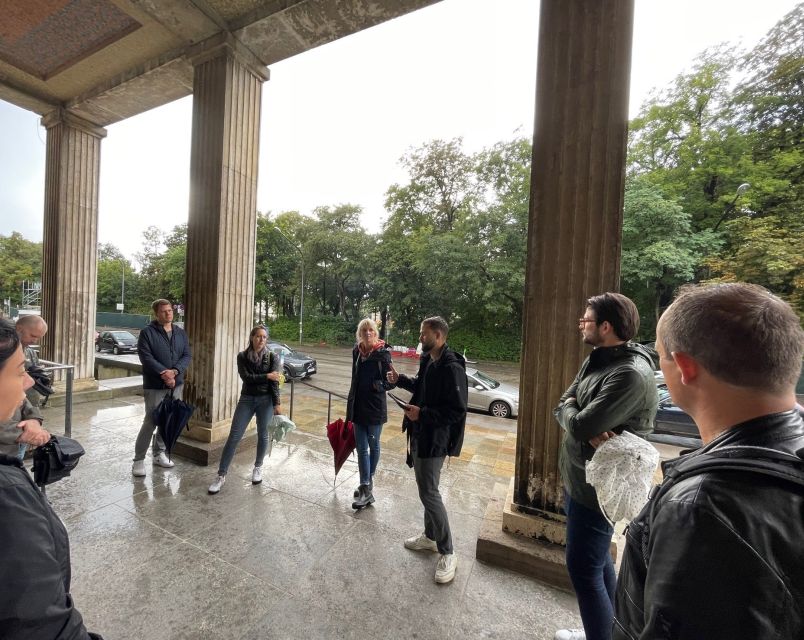
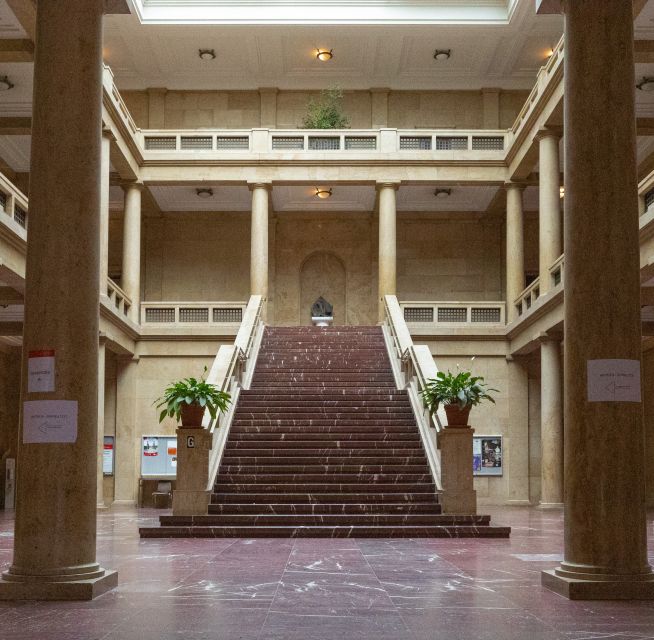
The architecture is more than a backdrop here. Alex discusses buildings erected by the National Socialists and places they turned into sites of political worship. The tour looks at how public structures could carry propaganda, give authority a visible presence, and help shape the image the regime wanted to project.
Many of these buildings survived the war largely intact. That survival means the past remains woven into the city’s ordinary streetscape, even when a passerby might not know the story behind a facade or square. A guide helps you notice what a quick walk through central Munich would otherwise leave unexplained.
The experience is strongest if you are willing to pause and think about how places acquire meaning. A building can be both part of a working city and a reminder of a dictatorship. The tour’s focus on context helps keep the visit from becoming a simple checklist of monuments.
Speeches, parades, and public space
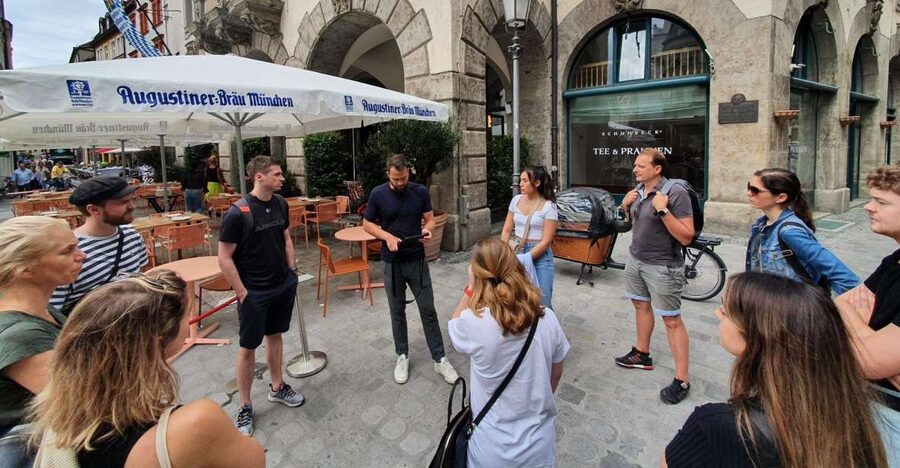
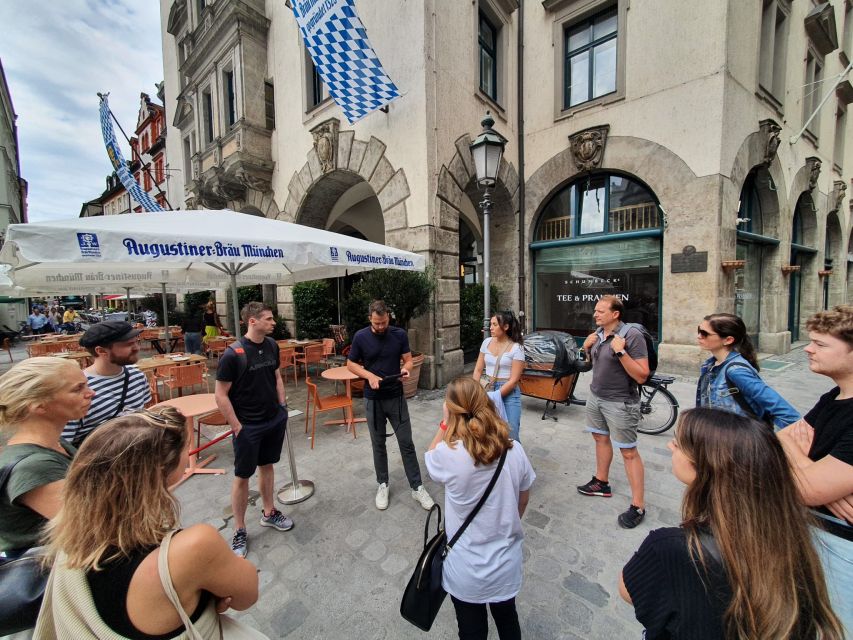
Alex takes you to places associated with Nazi speeches and parades, showing how the movement used public spaces to gather people and stage political power. These locations help explain why the story is about more than individual leaders. It is also about crowds, symbolism, and the use of the city itself.
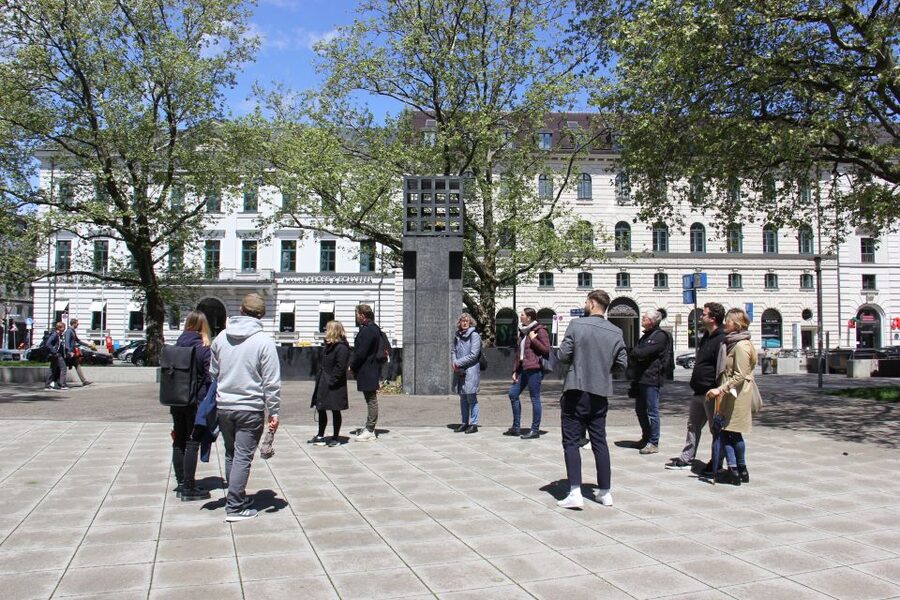
The tour includes the place where Hitler held his first speech, as well as sites connected with Nazi parades. The supplied details do not name these stops, so it is sensible to let Alex introduce them on the day rather than arrive expecting a particular landmark. The point is the connection between place and event: political activity happened in real squares and streets, not in an abstract history book.
This part of the walk can be demanding in subject matter. Alex’s stated aim is to keep the tour accessible and engaging without making light of what happened. That balance is valuable on a serious topic, where a guide needs to hold your attention while treating the history with care.
Following Munich through the bombing war
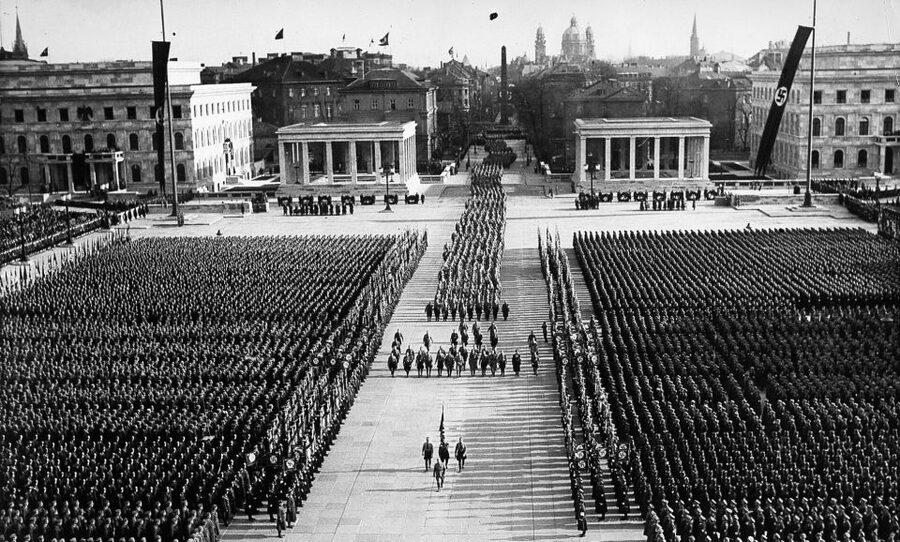
The story also reaches the period when Munich had to endure the bombing war. That part of the route broadens the focus from the rise and public display of Nazi power to the consequences of the conflict for the city.
The tour does not claim to cover every part of wartime Munich, and the details provided do not specify which bombing-related sites are included. Still, bringing the city’s wartime experience into the same chronological account helps connect political decisions with their later cost. You get a sense of how the story moved from propaganda and public ceremony to destruction.
This is one reason to allow time after the scheduled finish. The tour is listed as 2.5 hours, but discussion and questions can stretch the walk closer to three hours. If you have a timed booking immediately afterward, leave a buffer rather than planning a tight handoff.
More walking tours in Munich:
- Munich: Old Town & Viktualienmarkt City Walk in German
★ 4.7 · 2,304 reviews - Munich: Night Watchman Walking Tour
★ 4.7 · 2,092 reviews - Munich Ghosts and Spirits Evening Walking Tour
★ 5.0 · 1,900 reviews - Munich Old Town Walking Tour
★ 4.5 · 1,287 reviews
Alex’s local perspective and teaching style
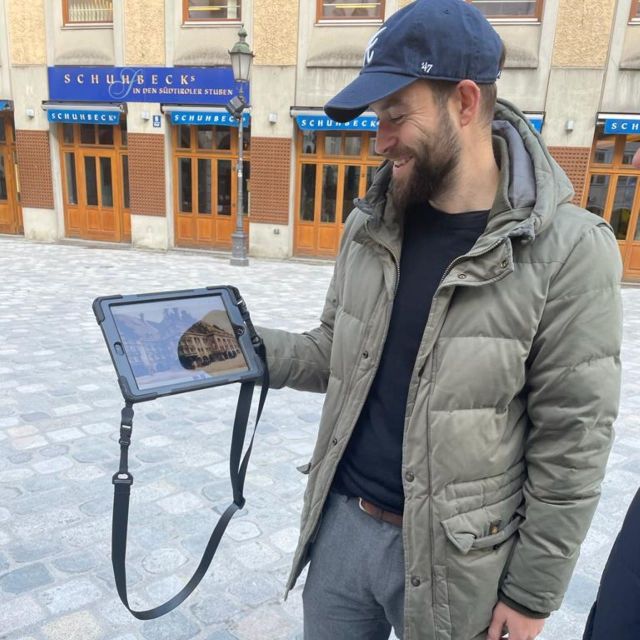
Alex is a Munich native and professional guide who says he has been interested in this subject since his youth. His stated aim is to understand how National Socialism could rise in Germany and how the dictatorship could devastate Europe in only a few years. That personal motivation fits a tour built around questions and context, not just dates.
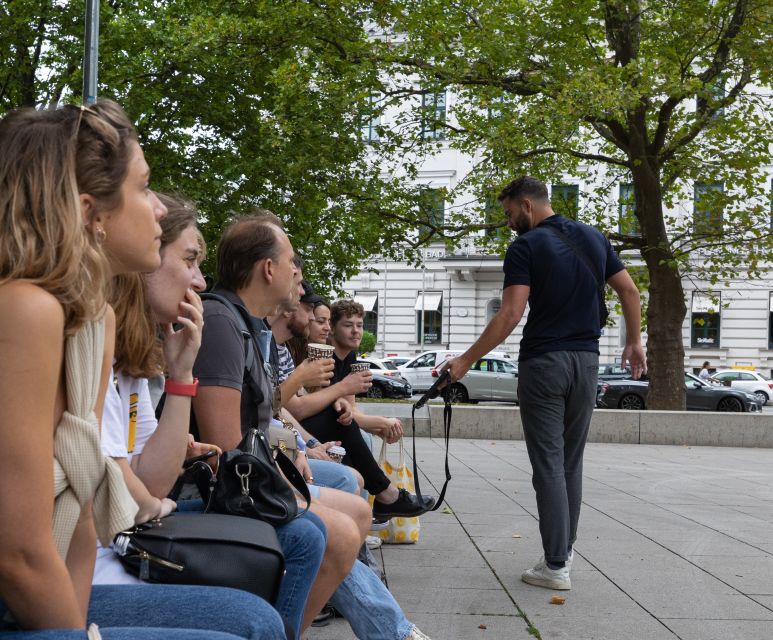
The commentary is in German. Alex invites questions, and the walk includes short pauses, which help make a long stretch on foot easier and give you a chance to absorb what you have heard. The pace and structure are intended for a broad range of visitors, not only people with a strong background in German history.
Alex also aims to keep the atmosphere approachable. That does not mean turning a difficult subject into entertainment. It means giving you a guide who can hold attention, explain complex developments in plain terms, and make room for a human exchange. The subject remains serious, but the walk need not feel like a lecture.
The tour includes personal recommendations for exploring Munich like a local. The details of those suggestions will depend on your interests and what you ask, but they add a practical benefit beyond the history walk itself.
What $30 buys you
At $30 per person, this is a modestly priced way to spend two and a half hours with a guide focused on one of Munich’s most important historical subjects. You are paying for a guided route, local interpretation, and the chance to connect buildings and squares with the events that shaped them. For anyone who wants more than a self-guided stroll past notable facades, that is a useful return.
The price does not include hotel pickup. You meet at Marienplatz, so you need to make your own way there. Since the tour is on foot, comfortable shoes are essential, and rain does not stop the walk. Bring clothing that suits the forecast.
The tour is wheelchair accessible, an important practical point for a walking activity. If you have specific access needs, it is still sensible to check what the route involves when selecting a departure, since the supplied details do not describe the surfaces or any step-free arrangements at individual stops.
There is free cancellation up to 24 hours before the tour, and you can reserve now and pay later. Starting times vary, so check availability for your date. These terms give you some flexibility, but they do not change the basic commitment: this is a substantial outdoor walk, not a short indoor visit.
Who should take this walk
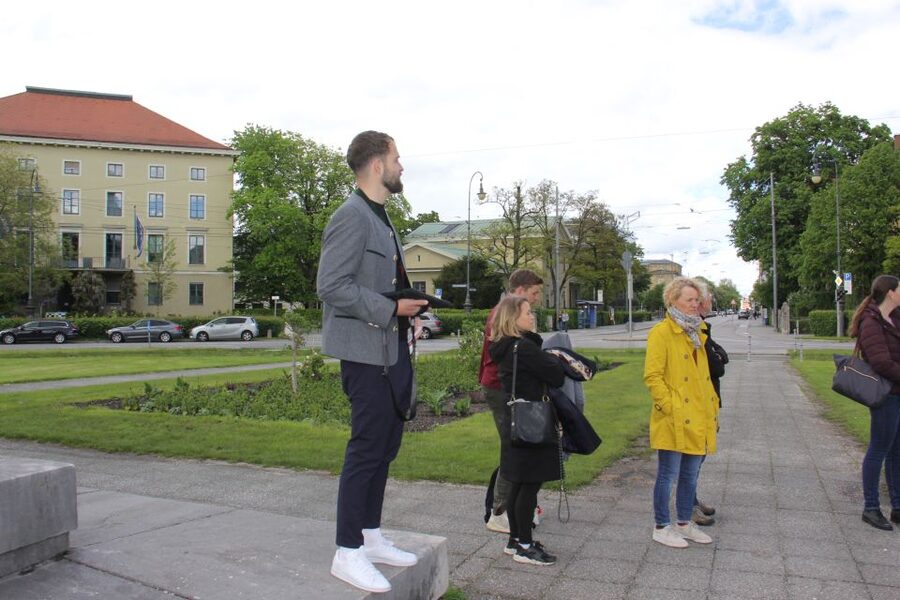
I’d recommend the tour if you want to understand Munich’s place in the rise of National Socialism and prefer to learn through streets and buildings rather than a classroom-style talk. It suits first-time visitors and Munich residents alike, especially anyone interested in German history, politics, or how public spaces can be used to project power.
You do not need to be a history specialist. The chronological structure is designed to make the subject understandable without assuming prior knowledge. If you are already familiar with the history, you may still find value in connecting it to the city’s surviving architecture and public squares.
The main limitation is language. If you need commentary in English, this tour is not a fit based on the stated German-language offering. You should also consider whether a serious historical subject and several hours of walking suit your plans that day. There is room for humor in Alex’s approach, but the topic itself is grim.
Should you book it?
Book this tour if you want a clear, place-based account of how Munich became the capital of the Nazi movement, led by a local guide who welcomes questions. The combination of chronology, surviving buildings, and sites tied to speeches and parades gives the history a tangible setting, while $30 is fair for a guided walk of this length.
Skip it if you need an English-language tour, want a light introduction to Munich, or cannot set aside a few hours on foot. If the subject interests you and German commentary works for you, meet Alex at the Marian Column, wear comfortable shoes, and leave a little extra time afterward.
FAQ
Where does the tour meet?
Meet Alex at the Marian Column on Marienplatz. It is the large column with a small golden statue in the middle of the square.
How long does the tour last?
The listed duration is 2.5 hours. Allow extra time afterward, as the walk can run close to three hours.
What language is the tour in?
The live tour guide speaks German.
How much does the tour cost?
The stated price is $30 per person.
What should I bring?
Bring comfortable shoes. The tour takes place rain or shine, so dress for the weather as well.
Is the tour wheelchair accessible?
Yes, the activity is listed as wheelchair accessible.
Is hotel pickup included?
No. Hotel pickup is not included, so make your own way to the meeting point at Marienplatz.
Can I cancel or pay later?
You can cancel up to 24 hours in advance for a full refund. The activity also allows you to reserve now and pay later.
More history tours in Munich
- Munich: Spooky Tour of Old Town in German
★ 4.6 · 1,112 reviews - Munich: Walking Tour Old Town and Viktualienmarkt
★ 4.7 · 839 reviews - Munich: Old Town Walking Tour
★ 4.7 · 589 reviews - Munich: Old Town Guided Walking Tour
★ 4.6 · 479 reviews
Just added in Munich
- Private day trip from Munich to Eagle’s Nest, Salzburg and back★ 4.5 · 15 reviews
- Private Eagle’s Nest Tour from Munich ending in Salzburg★ 5.0 · 8 reviews
- Private Castle Tour from Munich: Neuschwanstein, Hohenschwangau, and Linderhof★ 4.5 · 12 reviews
- Private Day Trip from Munich to Eagle’s Nest and Hallstatt★ 4.5 · 9 reviews
- Private day trip from Munich to Salzburg and Hallstatt★ 4.5 · 17 reviews
- Private Day Trip from Munich to Neuschwanstein and Linderhof★ 4.0 · 11 reviews
- Private Day Trip Munich to Harburg, Dinkelsbuhl & Rothenburg★ 4.5 · 24 reviews
- Private day trip from Munich to Eagle’s Nest and Salzburg★ 4.5 · 9 reviews
Munich Third Reich Tours, compared.

Munich World War II Sites Including Dachau Concentration Camp
Read our review →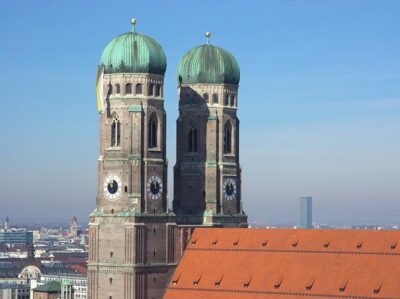
Munich City Walking Tour, includes Third Reich & Viktualienmarkt
Read our review →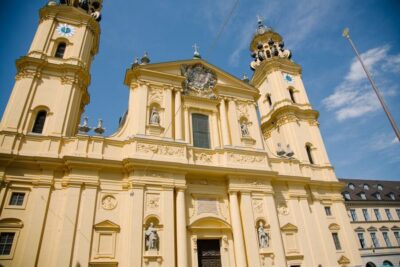
Munich 3-Hour Segway Tour: Nazi Munich & Royal Architecture
Read our review →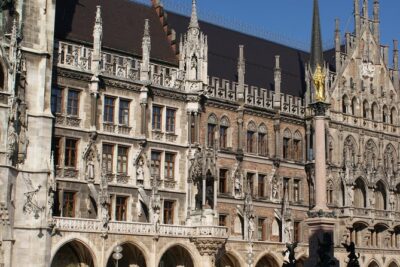
Dachau Concentration Camp Memorial Site And Third Reich Day Tour From Munich
Read our review →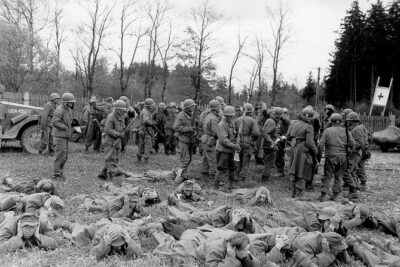
Eagle’s Nest-Berchtesgaden-Obersalzberg Private Half Day WWII Historical Tour
Read our review →Browse the lists this tour appears in