
Reviewed · MUNICH THIRD REICH TOURS
Munich: Nazi History 2-Hour Small Group Walking Tour
Munich’s Nazi history is not tucked away in a museum: it is written into the city streets, beer halls and grand squares. This two-hour walk follows the party’s early rise, from Hitler’s arrival in Munich to the failed Beer Hall Putsch and the rallies at Königsplatz.
I like two things in particular: the route connects well-known sights to the events that unfolded there, and the small group, capped at 10, gives you room to ask questions. Guide Alun Evans is praised for presenting the subject with care, clarity and a personable manner.
The main consideration is the pace. Two hours can introduce the story and its key locations, but it cannot cover every detail, and you will be walking outdoors in whatever weather Munich serves up.
Key points to know before you go
- Begin at Marienplatz: Meet in front of the Tourist Information Center, where your guide will hold a sign for the tour operator.
- Visit the Hofbräuhaus: This historic beer hall is linked to early Nazi Party meetings and speeches by Hitler.
- See the site of the failed 1923 putsch: The walk places the Beer Hall Putsch within the streets and landmarks of central Munich.
- Hear the story from Alun Evans: His thoughtful, clear explanations are a major part of the experience.
- Walk in a group of up to 10: A small group makes questions and conversation easier.
- Dress for the forecast: The tour runs in all weather, and refreshments are not included.
Munich’s streets tell the story
This is a history walk through a city whose ordinary streets carry an extraordinary past. Munich was central to the early Nazi movement, and the tour links that history to specific places rather than treating it as a distant series of dates and names.
The route begins at Marienplatz, Munich’s central square, and takes in the Hofbräuhaus, Odeonsplatz and the area around Königsplatz. These are not simply photo stops. The guide’s role is to explain what happened at each place, why it mattered at the time and how the Nazi Party used the city’s spaces to build power.
That approach suits visitors who want a grounded introduction to the subject. You see the city around you while hearing the history connected to it. It also gives you a useful framework for later visits to museums or memorial sites, if you plan to explore the topic further.
The subject calls for care, and the tone matters. Alun Evans is described as respectful and tactful, while still making the material clear and engaging. That balance is valuable on a tour about persecution, propaganda and political violence. The aim is not to make a grim chapter entertaining, but to help you understand how it unfolded in real places.
More Third Reich and WWII tours in Munich:
- Munich: Third Reich & WWII Walking Tour
★ 4.6 · 6,181 reviews - Third Reich Walking Tour Munich
★ 4.5 · 4,291 reviews - Munich: Birthplace of the Third Reich Guided Walking Tour
★ 4.6 · 771 reviews
Starting in Marienplatz
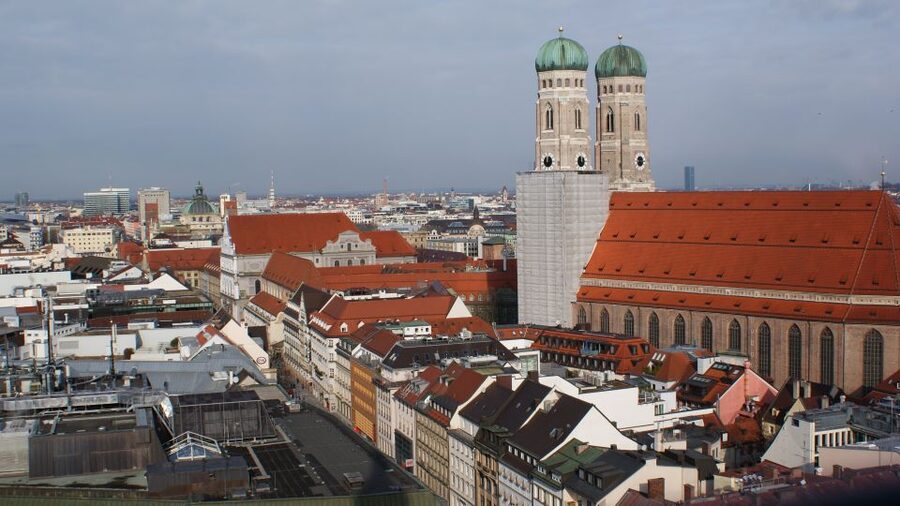
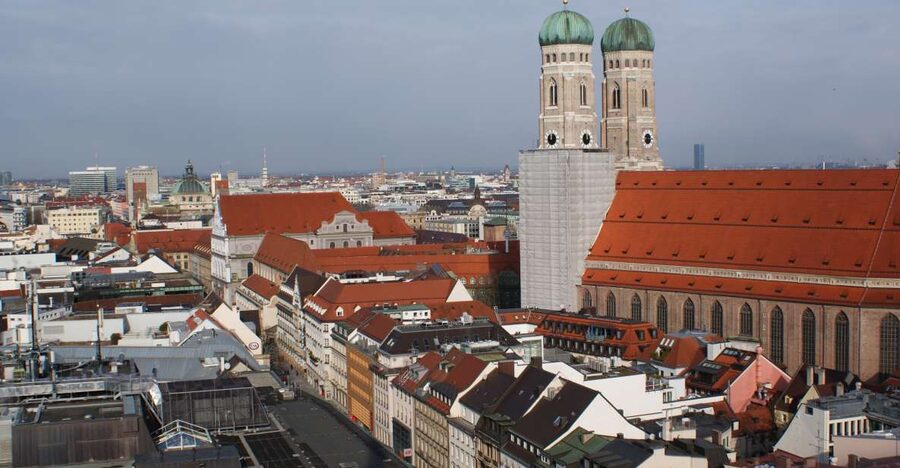
The meeting point is in front of the Tourist Information Center on Marienplatz. Look for your guide holding a sign with the local tour operator’s name. Since the square is a busy central meeting place, arriving with a little time to spare should make it easier to find the group.
The tour starts with a guided walk around Marienplatz, scheduled for about 30 minutes. The supplied route information gives the square as the starting point and says the tour explores Munich’s development as the setting for the Nazi Party’s early growth. Hitler arrived in the city in 1913, aged 24, with few prospects. The walk uses that arrival as a starting point for the wider story.
The value of beginning here is context. Instead of hearing about the Nazi movement as something separate from the city, you start in the heart of Munich and follow its early history through the places where it took shape. You can ask questions as the guide sets out the background, which is especially useful if you know the broad outlines of the period but want a clearer sense of how the events connect.
This first section is also the longest listed stop, so expect the tour to spend time setting the scene before moving on. If you are mainly looking for a quick march past famous sites, the detailed introduction may feel slow. If you want to understand the sequence of events, that groundwork is part of the point.
At the Hofbräuhaus, history meets a working beer hall
The tour includes a guided stop at the Hofbräuhaus München, one of the city’s best-known beer halls. The listed visit lasts about 10 minutes. The building is tied to early Nazi Party meetings, and Hitler gave speeches here.
A short stop can do a useful job: it connects the political story to a familiar social setting. The Hofbräuhaus was not just a backdrop in a textbook account. It was a place where people gathered, speeches were made and political ideas found an audience. Hearing that context while standing at the site gives the history a more immediate scale.
Keep expectations realistic. The itinerary lists a guided visit, not a meal or a break for a drink, and refreshments are not included. You should think of this as a historical stop, not a beer-hall dining experience. If you want to return for food or a drink later, you can plan that separately.
The ten-minute timing also means the guide must be selective. Alun Evans is praised for fitting useful detail into a compact tour and for explaining the subject in a clear, human way. That kind of focused storytelling matters here: the venue is famous, but its significance is easier to grasp when someone explains what happened and why it mattered.
Odeonsplatz and the city’s formal face
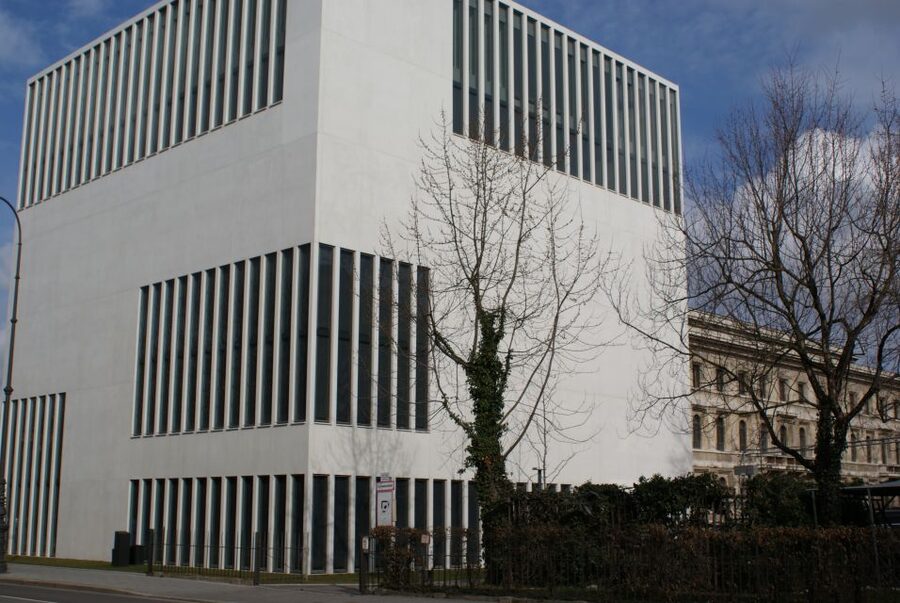
From the Hofbräuhaus, the route includes Odeonsplatz, with a guided stop listed at about 15 minutes. This part of the walk brings the tour into a grand civic setting, near the Bavarian State Opera and the Residenz building.
The contrast is worth noticing. Munich’s historic architecture can look impressive and ceremonial, but the tour asks you to consider how political movements used public spaces and symbols. Odeonsplatz is also connected to the history of the failed Beer Hall Putsch of 1923, an attempted coup that ended in defeat but became a key episode in the Nazi Party’s later story.
This is one of the tour’s more important stops for linking place and event. Rather than simply naming the putsch, the guide can show you where it belongs in the city and explain how the episode fits into the movement’s early years. The supplied details do not specify exactly how long is spent at every point along the route, so expect the guide to shape the pace around the group and the walk.
The setting also rewards attentive listening. You are looking at prominent Munich landmarks while hearing about a period when public space was used for political action and mass spectacle. The history is unsettling, but that tension is part of what makes this stop useful.
More walking tours in Munich:
- Munich: Old Town & Viktualienmarkt City Walk in German
★ 4.7 · 2,304 reviews - Munich: Night Watchman Walking Tour
★ 4.7 · 2,092 reviews - Munich Ghosts and Spirits Evening Walking Tour
★ 5.0 · 1,900 reviews - Munich Old Town Walking Tour
★ 4.5 · 1,287 reviews
The rally grounds at Königsplatz
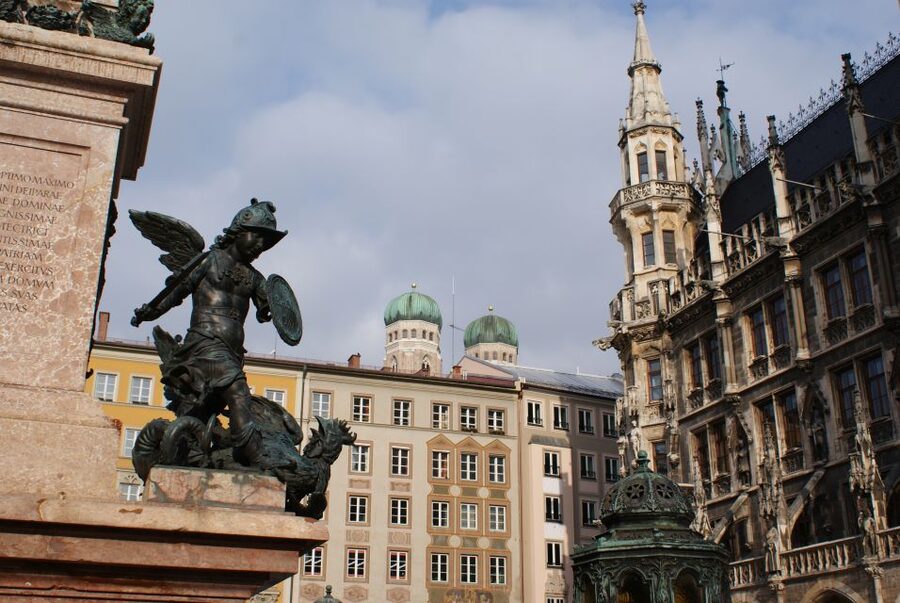
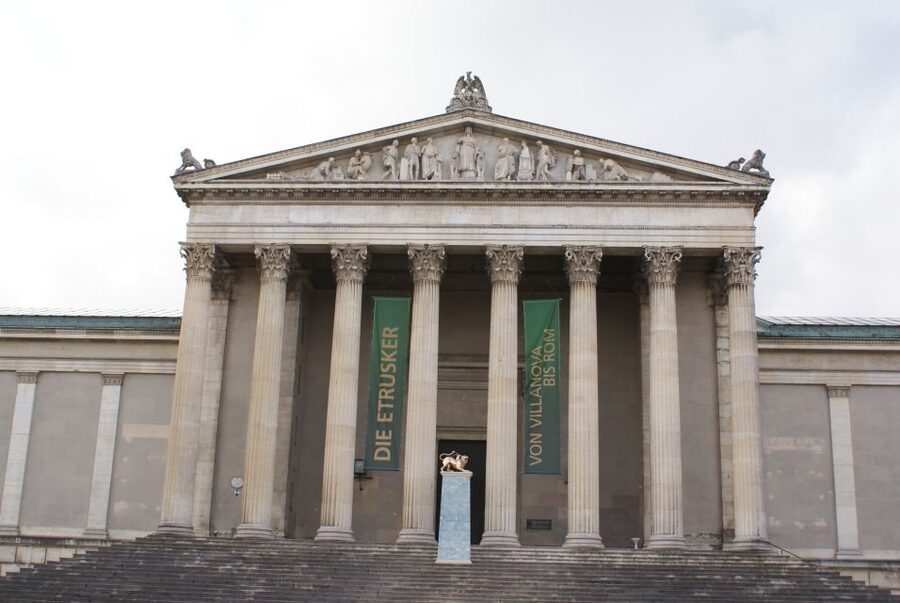
The tour’s stated finale is Königsplatz, where the Nazis held rallies. This is the point where the story of early meetings and political agitation broadens into the movement’s use of public gatherings and monumental settings.
Königsplatz gives the tour a strong ending because it brings the route’s themes together: political ambition, public display and the way a city’s spaces can be put to ideological use. You finish with a clearer sense that the Nazi Party’s rise was not an abstract process. It played out in particular places, among crowds and through deliberate use of architecture and civic space.
There is a small practical wrinkle in the route information. It describes Königsplatz as the final historical stop, but also gives Marienplatz as the start and end point, with the option to return to Marienplatz with your guide on request. If your next plan depends on the exact finish, ask the guide at the start how the return will work.
What the two-hour format gives you
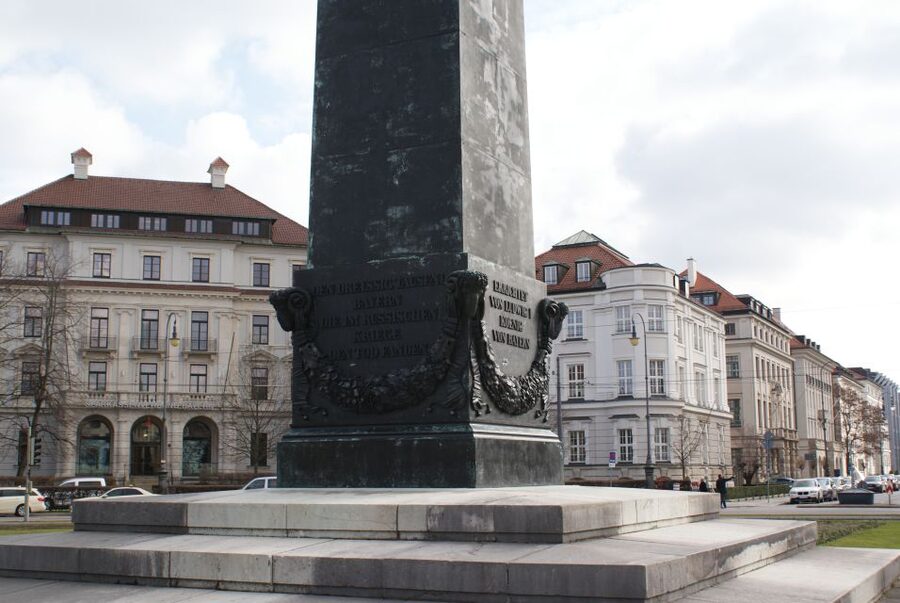
Two hours is enough to build a coherent overview, not to examine every aspect of Nazi Germany. The tour concentrates on Munich’s role in the party’s early history and on a handful of central locations. That focus is helpful if you are short on time or want a guided introduction before exploring the subject in more depth.
A small group of up to 10 is a real advantage for this kind of walk. You are not just following a flag through the city. The limited size makes it easier to hear the guide, stay together and raise a question without addressing a crowd. Alun Evans’s personal and considerate manner is often singled out, along with his ability to explain the subject without losing the group in detail.
The two-hour limit also calls for a little planning. If you are a keen history reader, you may wish the tour were longer. The material is dense, and there is only so much time to cover the rise of the party, the putsch, the beer hall meetings and the rallies. One participant specifically wished for more time to talk with Alun after the walk, which gives you a fair sense of the tour’s strength: it can spark questions that outlast its schedule.
For a first visit to Munich, the tour adds a serious historical layer to a city often associated with grand squares, beer halls and Bavarian culture. If you already know the broad history, the value lies in seeing the locations and hearing how they connect. A history enthusiast who wants a specialist, full-day account may want more depth than this format can provide.
Price, weather and practical details
At $58 per person, the price buys a two-hour guided walk in English, with a local guide and a small group. The value depends on what you want from the experience. If you want more than a list of places and prefer a guide to connect them into a story, the cost is easier to justify. If you prefer to read plaques and explore at your own pace, you may not need a guided tour.
Hotel pickup is not included, so make your own way to Marienplatz. Refreshments are also excluded. The tour operates in all weather, so wear clothing suited to the forecast and comfortable footwear for a city walk. One winter outing went ahead in heavy snow and bitter cold, so do not assume poor weather means a cancellation.
The tour is offered in English. You can reserve now and pay later, and cancellation is available up to 24 hours in advance for a full refund. Check the available start times when booking, since they vary.
Should you book this Munich history walk?
Book this tour if you want a clear, personal introduction to Munich’s Nazi past, especially if you value hearing the story at the sites where it unfolded. It is a good fit for history-minded visitors, first-time visitors who want more context than a standard city walk provides, and anyone who appreciates a small group and a guide who treats difficult material with care.
Think twice if you want a long, specialist lecture, a museum visit or a relaxed stop for food and drink. The walk is focused and compact, and the subject is heavy. But if two hours of thoughtful explanation sounds right, Alun Evans’s tour offers a practical way to understand a dark part of Munich’s past without reducing it to a checklist of landmarks.
FAQ
How long is the tour?
The walking tour lasts two hours.
Where does the tour meet?
Meet in front of the Tourist Information Center on Marienplatz in central Munich. The guide will hold a sign with the local tour operator’s name.
What language is the tour in?
The live guide speaks English.
How large is the group?
The group is limited to 10 participants.
Which places does the walk visit?
The route includes Marienplatz, the Hofbräuhaus, Odeonsplatz and Königsplatz, along with locations connected to the Nazi Party and the Beer Hall Putsch.
Are refreshments included?
No. Refreshments and hotel pickup are not included.
What happens if the weather is bad?
The tour operates in all weather conditions, so dress for the forecast.
More two-hour experiences in Munich
- Discover Munich 2-Hour Small Group Walking Tour
★ 4.6 · 491 reviews - 2-Hour Segway Discovery Tour Munich
★ 5.0 · 20 reviews - Munich 2-Hour Segway Tour
★ 5.0 · 15 reviews - Exploring Munich by Pedicab: Premium Two Hour Tour
★ 5.0 · 10 reviews
More history tours in Munich
- Munich: Spooky Tour of Old Town in German
★ 4.6 · 1,112 reviews - Munich: Walking Tour Old Town and Viktualienmarkt
★ 4.7 · 839 reviews - Munich: Old Town Walking Tour
★ 4.7 · 589 reviews - Munich: Old Town Guided Walking Tour
★ 4.6 · 479 reviews
Just added in Munich
- Private day trip from Munich to Eagle’s Nest, Salzburg and back★ 4.5 · 15 reviews
- Private Castle Tour from Munich: Neuschwanstein, Hohenschwangau, and Linderhof★ 4.5 · 12 reviews
- Private Eagle’s Nest Tour from Munich ending in Salzburg★ 5.0 · 8 reviews
- Private Day Trip from Munich to Eagle’s Nest and Hallstatt★ 4.5 · 9 reviews
- Private day trip from Munich to Salzburg and Hallstatt★ 4.5 · 17 reviews
- Private Day Trip from Munich to Neuschwanstein and Linderhof★ 4.0 · 11 reviews
- Private Day Trip Munich to Harburg, Dinkelsbuhl & Rothenburg★ 4.5 · 24 reviews
- Private day trip from Munich to Eagle’s Nest and Salzburg★ 4.5 · 9 reviews
Munich Third Reich Tours, compared.

Munich World War II Sites Including Dachau Concentration Camp
Read our review →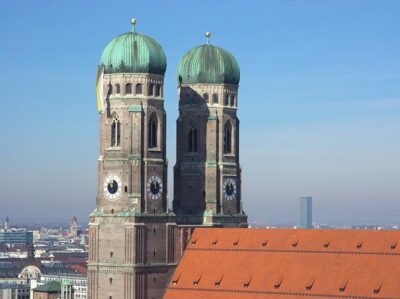
Munich City Walking Tour, includes Third Reich & Viktualienmarkt
Read our review →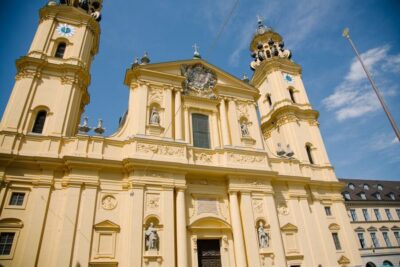
Munich 3-Hour Segway Tour: Nazi Munich & Royal Architecture
Read our review →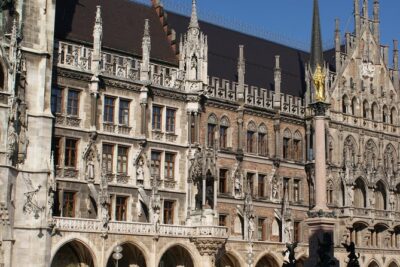
Dachau Concentration Camp Memorial Site And Third Reich Day Tour From Munich
Read our review →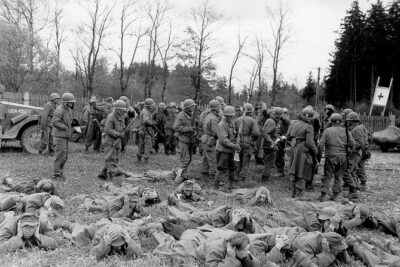
Eagle’s Nest-Berchtesgaden-Obersalzberg Private Half Day WWII Historical Tour
Read our review →Browse the lists this tour appears in