
Reviewed · MUNICH THIRD REICH TOURS
Munich: Private or Group Third Reich and WWII Walking Tour
Munich’s elegant squares and old streets can hide a grim truth in plain sight: this was where the Nazi Party began, where Hitler’s Beer Hall Putsch failed, and where the regime later staged its public display of power. This two-hour walking tour connects those events to places you can still see today.
I like two things in particular: the guide brings historic images and documents to help you compare past and present, and the route links central sights such as Marienplatz with Königsplatz and the former Nazi headquarters. The main consideration is the subject itself. This is a serious look at persecution, war, and resistance, not a light sightseeing stroll.
- Meet at the Mariensäule: Find the golden statue on its tall red marble column in Marienplatz.
- See history in the streets: Visit original buildings and locations tied to the Nazi movement and wartime Munich.
- Use pictures to read the city: Your guide brings documents and historic images to show how places looked under the regime.
- Follow the story from Marienplatz to Königsplatz: The route links the city center with major sites of Nazi power.
- Choose a private or group tour: The stated price is $259 per group of up to 25, so the cost per person depends on your party size.
- Plan for a focused history lesson: The walk lasts two hours, is wheelchair accessible, and is not recommended for children under 10.
Start at the Mariensäule in Marienplatz
The meeting point is easy to identify once you know what to look for: the Mariensäule, a golden statue atop a tall red marble column in the center of Marienplatz. Your guide carries a blue bag marked Weis(s)er Stadtvogel. Arrive ready to walk, with comfortable shoes and a drink.
Marienplatz is a fitting place to begin because Munich’s central squares are not just pretty backdrops. They help locate the story in the city you are seeing, rather than leaving it as a sequence of dates and names. From here, your guide introduces Munich’s importance to the early Nazi movement and the political turmoil that followed World War I.
The tour is led by a certified guide, with English and German offered. Past guides have included Karl and Ina, but you should not count on a particular person for your date. The most useful feature is the visual material: documents and pictures help you see what changed, what survived, and what the buildings meant at the time.
Understand Munich’s role in the Nazi rise
Munich was Adolf Hitler’s adopted home and the birthplace of the Nazi Party. The movement grew from a small circle of extremists into a force that threatened German democracy and eventually helped unleash a war across Europe. Your guide traces that development through the city, explaining how political activity in beer halls and backstreets became a national movement.
The title Capital of the Movement was not just a grand label. In 1935, the Nazi regime officially gave Munich that name, marking the city as a center of party identity and activity. General Eisenhower later called it the cradle of the Nazi beast, a phrase that captures the bitter contrast between Munich’s beauty and its place in this history.
That context matters when you visit the buildings. A facade may look ordinary today, but a photograph or account of what happened there can change how you read it. I appreciate that this format gives you a guide to connect the physical city with the political story, rather than asking you to make sense of isolated sites on your own.
More Third Reich and WWII tours in Munich:
- Munich: Third Reich & WWII Walking Tour
★ 4.6 · 6,181 reviews - Third Reich Walking Tour Munich
★ 4.5 · 4,291 reviews - Munich: Birthplace of the Third Reich Guided Walking Tour
★ 4.6 · 771 reviews
Follow the story from Marienplatz toward Königsplatz
The route begins in the Old Town and leads from Marienplatz toward Königsplatz. The tour description does not promise a fixed list of every stop, so think of this as a guided path through key locations, not a checklist of named attractions. Your guide selects relevant places and explains the events linked to them.
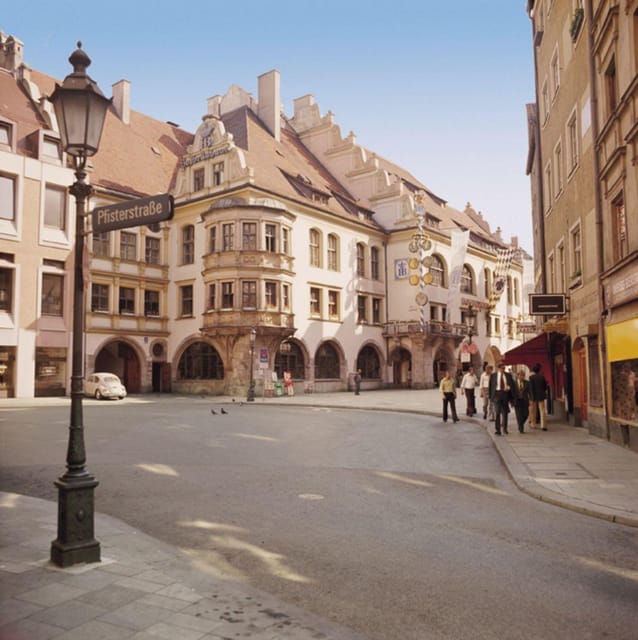
Along the way, the story includes Hitler’s early public life as a beer hall speaker and the failed Beer Hall Putsch, his first attempt to seize power. That coup failed, but it did not end his political career. The walk helps put the episode in its Munich setting and shows how a local extremist movement came to command national attention.
The guide also addresses the violence that accompanied Nazi rule, including anti-Semitic pogroms, the destruction of synagogues, and public book burnings. These are difficult subjects, and the value of a guided walk is the chance to hear them explained in context and ask questions as you go. The tone should be considered and respectful, not sensational.
At Königsplatz, the scale of the setting helps explain how the regime used public space and architecture to project authority. The tour focuses on surviving structures and places associated with the Third Reich, but the supplied details do not specify exactly which buildings you will enter or how long you will spend at each one. Expect an outdoor walking tour, not access to every historic interior.
See the former Nazi headquarters and surviving buildings
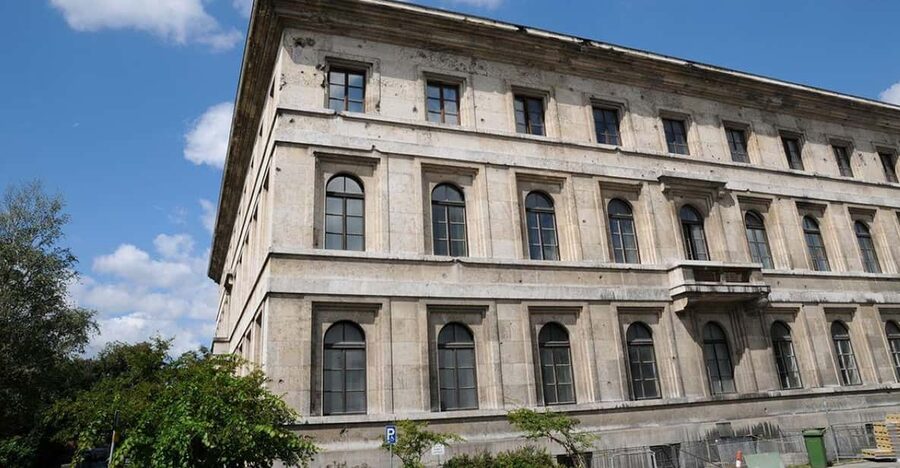
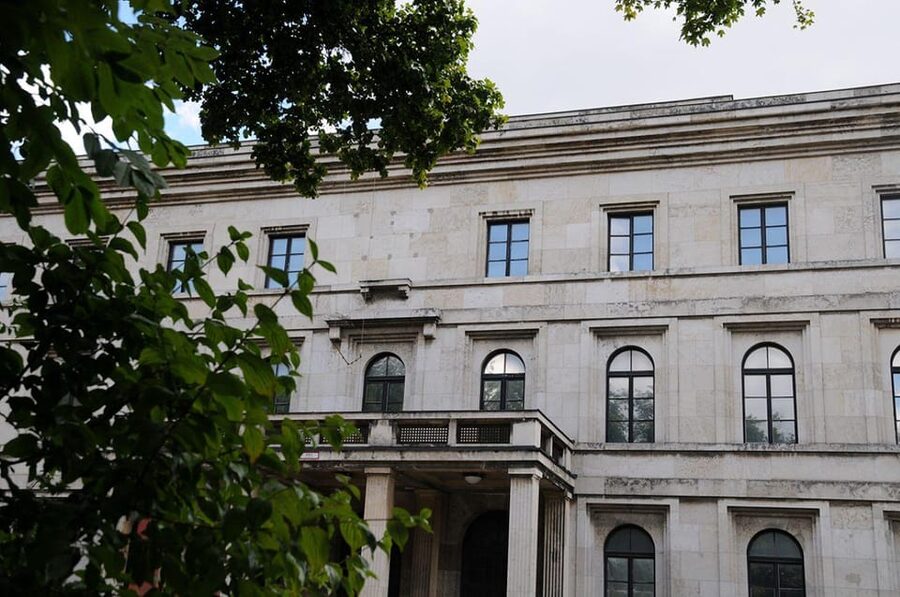
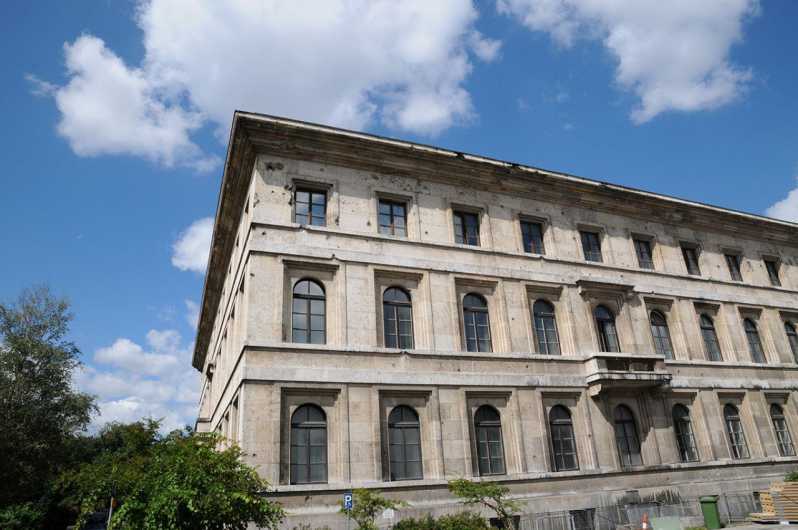
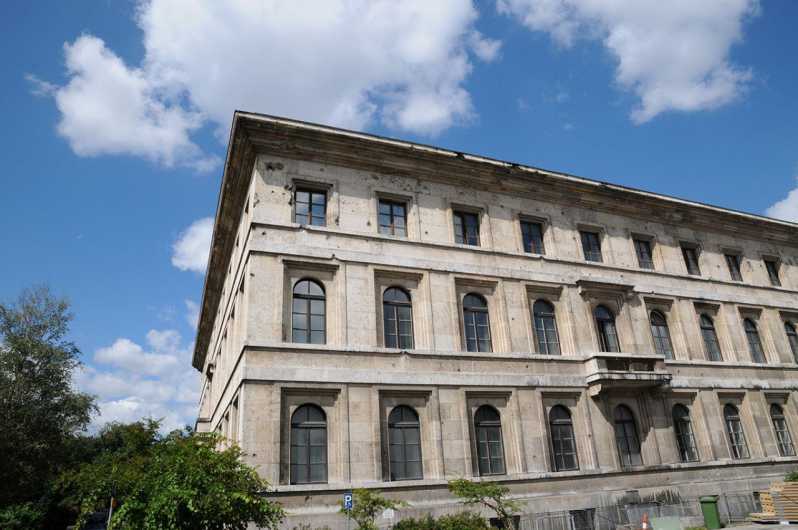
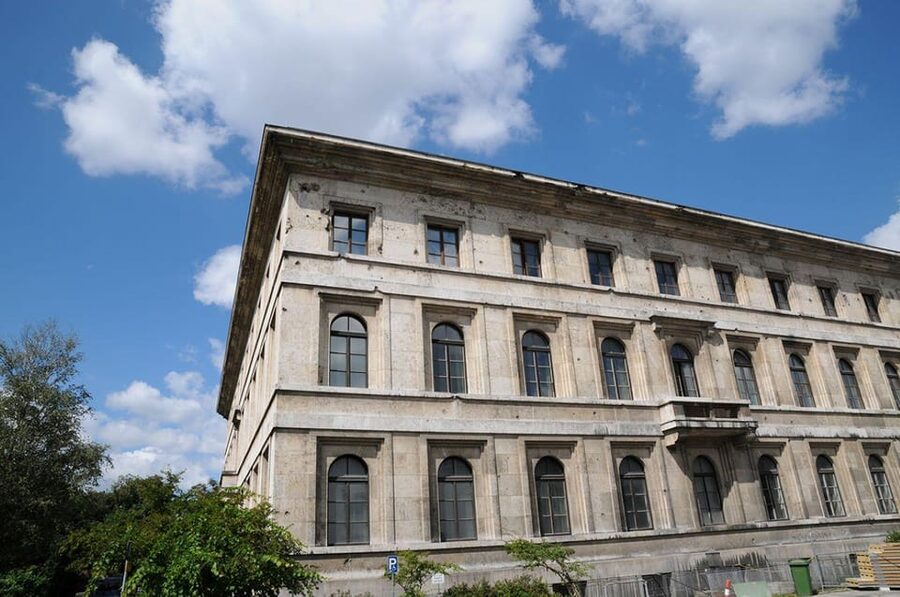
One of the tour’s key locations is the former Nazi headquarters, where Hitler once exercised power. Seeing the site in person gives the story a physical anchor. It is one thing to read about a regime’s command center; it is another to stand before the place and consider how ordinary city streets became part of its machinery.
Many original buildings from the period remain, including structures connected to the Nazi Party and its public life. Some buildings still show physical scars from years of terror and war. Your guide uses historical pictures to make those changes easier to spot, a useful aid when damage, rebuilding, or later changes have altered the view.
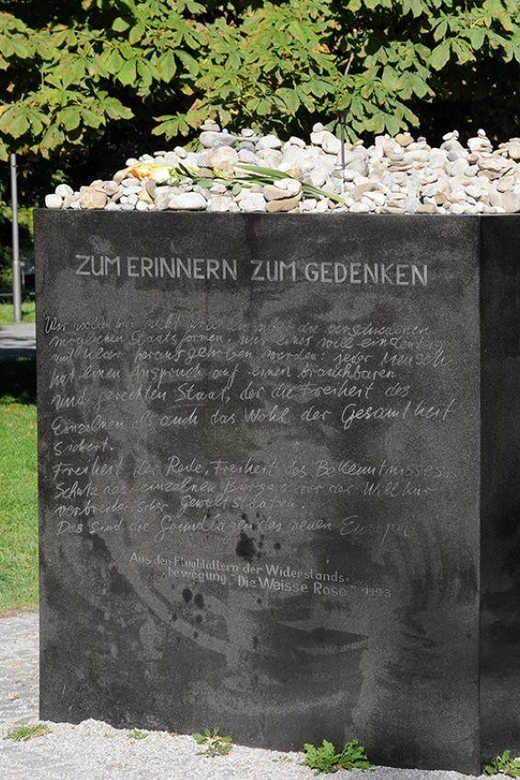
There is a striking contrast in central Munich. Allied bombing destroyed much of the city center, while some grand structures built on Hitler’s orders survived. The tour sets those remnants beside memorials to people who suffered under Nazism, including those who gave their lives resisting it. That contrast is one of the walk’s strongest ideas: architecture can reveal both the regime’s ambition and the human cost it tried to obscure.
Do not expect every site to look like a preserved museum exhibit. The experience is about reading the city as it is now, with a guide explaining what happened and showing images of earlier scenes. If you enjoy history best when it is tied to actual streets and buildings, this approach can make a powerful subject easier to grasp.
Make room for resistance and remembrance
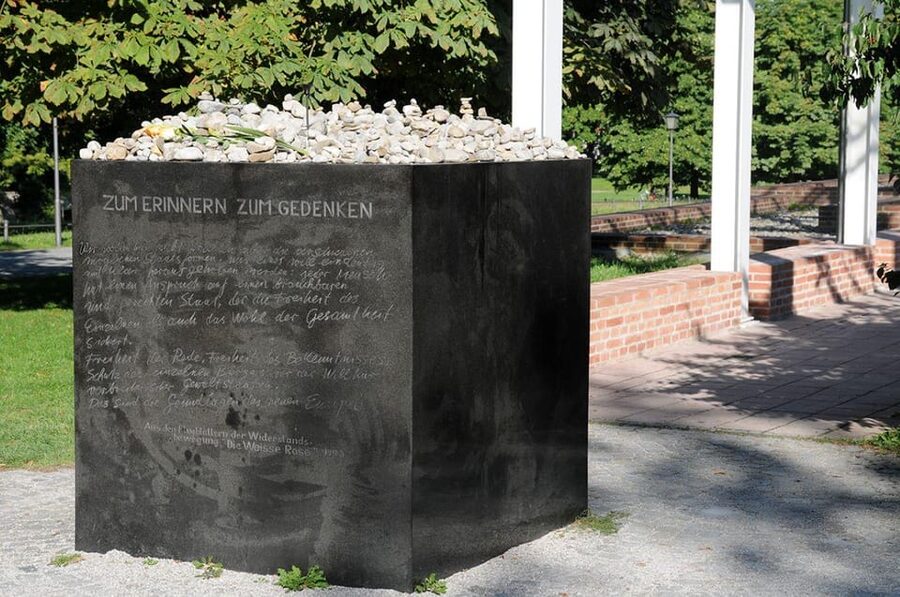
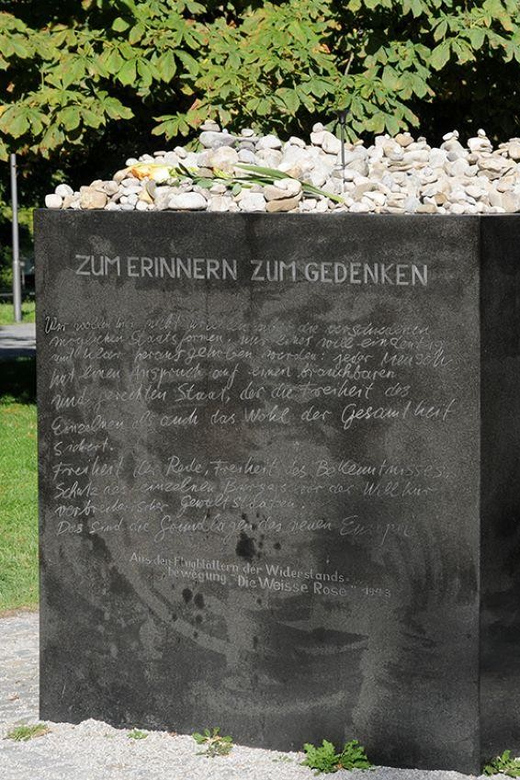
A tour of Munich’s Nazi past should not tell only the story of Hitler and his followers. This walk also brings in people who resisted in the name of democracy, and memorials to victims help balance the monuments created to celebrate the Third Reich. That matters: focusing only on perpetrators can leave the false impression that everyone accepted the regime or that its victims are merely a footnote.
The guide’s role is especially important here. A good explanation can distinguish between a site’s original purpose, its later use, and the ways Munich remembers it today. The feedback about guides Karl and Ina points to the kind of experience to hope for: informed, welcoming, responsive to questions, and personal without turning a painful subject into a performance. Their presence is not guaranteed, but the tour is designed to be led by a certified guide.
For solo visitors, a guided walk can also provide a useful framework for exploring the city afterward. You leave with a clearer sense of which streets and buildings matter and why. For a group, the shared route gives you a common starting point for discussing the history, though the subject calls for thoughtful attention rather than casual chatter.
More walking tours in Munich:
- Munich: Old Town & Viktualienmarkt City Walk in German
★ 4.7 · 2,304 reviews - Munich: Night Watchman Walking Tour
★ 4.7 · 2,092 reviews - Munich Ghosts and Spirits Evening Walking Tour
★ 5.0 · 1,900 reviews - Munich Old Town Walking Tour
★ 4.5 · 1,287 reviews
Is two hours enough?
Two hours is enough to establish the main story and visit important locations, but it is not enough to cover every aspect of Nazi Germany or Munich’s wartime history. Treat it as a focused introduction. If you want extensive detail about every party leader, battle, or postwar trial, you will need to add reading or other museum visits to your plans.
The pace is on foot, with no transportation included. The route connects central Munich sites, but you should still wear comfortable shoes and bring a drink. The tour is wheelchair accessible, though the supplied information does not spell out the exact route surface or any step-free details at individual stops. If you need specific access information, confirm it before booking.
The subject makes this a poor fit for very young children. Children under 10 are listed as unsuitable, though one guide has been described as patient with an eight-year-old. That individual experience does not change the stated age guidance. For older children and teens, consider their readiness for material about persecution, pogroms, and wartime destruction.
Video recording is not allowed. You can still listen, take in the surroundings, and ask questions, but plan to keep the camera for still images only if photography is otherwise permitted. The supplied information does not give a specific photography policy, so ask the guide if you are unsure.
Does the $259 group price make sense?
The price is $259 per group of up to 25. That can be good value if you are booking with a large party: the cost per person falls as more people share the fee. For a couple or solo visitor, the same flat group price is a much bigger commitment, so compare the private option with any available group departure before deciding.
A private format offers the clearest advantage if you want to move at your own pace, ask plenty of questions, or keep the discussion within your party. The tour also offers a group option, though the information gives no exact group size or departure schedule. Check the available format and start time when choosing.
You are paying for a certified guide and a carefully connected walk, not transport or entry to a string of indoor attractions. The pictures and documents add real value because they help you understand what you are looking at. If you are already planning to explore Munich’s historic center, this tour can give those familiar squares a more serious and specific meaning.
Who should book this walk?
Book it if you want to understand how Munich became central to the Nazi movement and prefer learning on location to reading a guidebook alone. It suits history-minded adults, solo visitors who want context, and families with older children prepared for difficult material. The high overall rating of 4.9 from 13 reviews reflects strong satisfaction, though that is a small sample and not a promise that every guide or tour will feel the same.
Consider another activity if you want a light introduction to Munich, a museum-based experience, or a tour centered on architecture without the weight of Nazi persecution and war. The subject is the point here, and it deserves your attention.
I would book this walk if the history is a priority and the group price works for your party. The best reason to go is the combination of surviving sites, visual material, and a guide who can connect place to event. Just bring comfortable shoes, a drink, and the willingness to spend two hours with one of the darkest chapters in Munich’s past.
FAQ
Where does the tour start?
Meet at the Mariensäule in the center of Marienplatz. Look for the golden statue on a tall red marble column and a guide carrying a blue bag marked Weis(s)er Stadtvogel.
How long is the walking tour?
The tour lasts two hours. Starting times vary, so check availability for your date.
What languages are available?
The live tour is offered in English and German.
Is the tour private or shared?
Private and group options are offered. The stated price is $259 per group of up to 25.
Is the tour wheelchair accessible?
Yes, the activity is listed as wheelchair accessible. The supplied details do not describe the exact route surfaces or access at each individual stop.
What should I bring, and are there restrictions?
Wear comfortable shoes and bring a drink. Video recording is not allowed, and the tour is not suitable for children under 10.
Just added in Munich
- Private day trip from Munich to Eagle’s Nest, Salzburg and back★ 4.5 · 15 reviews
- Private Eagle’s Nest Tour from Munich ending in Salzburg★ 5.0 · 8 reviews
- Private Castle Tour from Munich: Neuschwanstein, Hohenschwangau, and Linderhof★ 4.5 · 12 reviews
- Private Day Trip from Munich to Eagle’s Nest and Hallstatt★ 4.5 · 9 reviews
- Private day trip from Munich to Salzburg and Hallstatt★ 4.5 · 17 reviews
- Private Day Trip from Munich to Neuschwanstein and Linderhof★ 4.0 · 11 reviews
- Private Day Trip Munich to Harburg, Dinkelsbuhl & Rothenburg★ 4.5 · 24 reviews
- Private day trip from Munich to Eagle’s Nest and Salzburg★ 4.5 · 9 reviews
Munich Third Reich Tours, compared.

Munich World War II Sites Including Dachau Concentration Camp
Read our review →
Munich City Walking Tour, includes Third Reich & Viktualienmarkt
Read our review →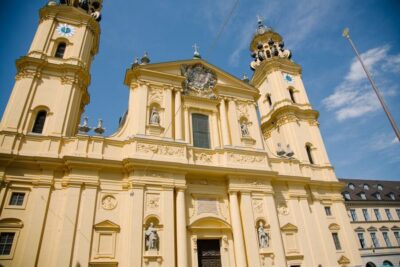
Munich 3-Hour Segway Tour: Nazi Munich & Royal Architecture
Read our review →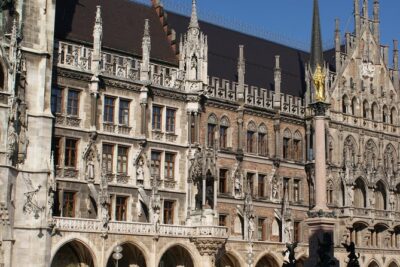
Dachau Concentration Camp Memorial Site And Third Reich Day Tour From Munich
Read our review →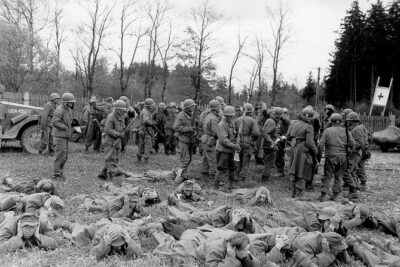
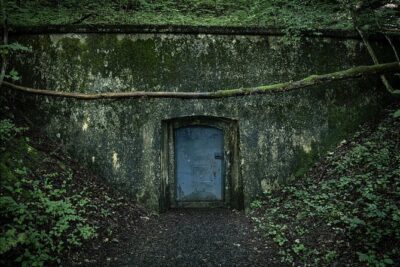
Eagle’s Nest-Berchtesgaden-Obersalzberg Private Half Day WWII Historical Tour
Read our review →Browse the lists this tour appears in