
Reviewed · MUNICH THIRD REICH TOURS
Munich: Resistance against Hitler – Historical Walking Tour
Munich was the city where Hitler’s political rise began, but it was also a place where people risked their lives to oppose him. This two-hour walk with local guide Alex follows those stories at the places where they unfolded, including the university associated with the White Rose and the final stop at Odeonsplatz.
I like that the tour pairs the famous White Rose story with less familiar resistance efforts, including a lone man’s plan to kill Hitler and a military plot against the Nazi regime. I also like that Alex uses historical images alongside some of the sites, giving you more to look at than a plaque or a building façade.
One point to weigh before booking: the tour is in German, so it is best for you if you can follow a German-language history talk. It lasts two hours, takes place rain or shine, and asks you to bring comfortable shoes.
Key points to know before you go
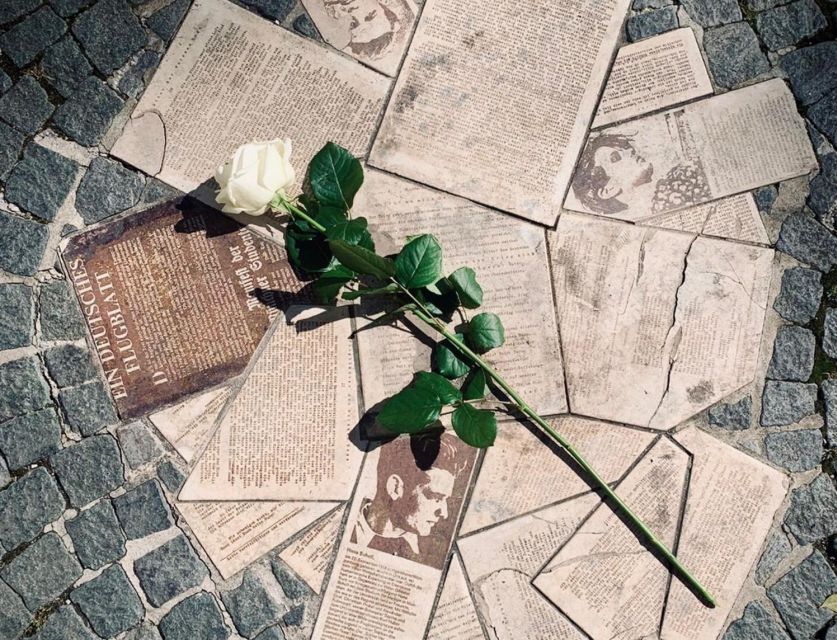
- Begin at the LMU fountain: Meet at the large fountain outside the main entrance to the University of Munich, at Geschwister-Scholl-Platz 1.
- Hear more than the White Rose story: The route also covers lesser-known resistance, a lone bomb plot, and a dramatic military conspiracy.
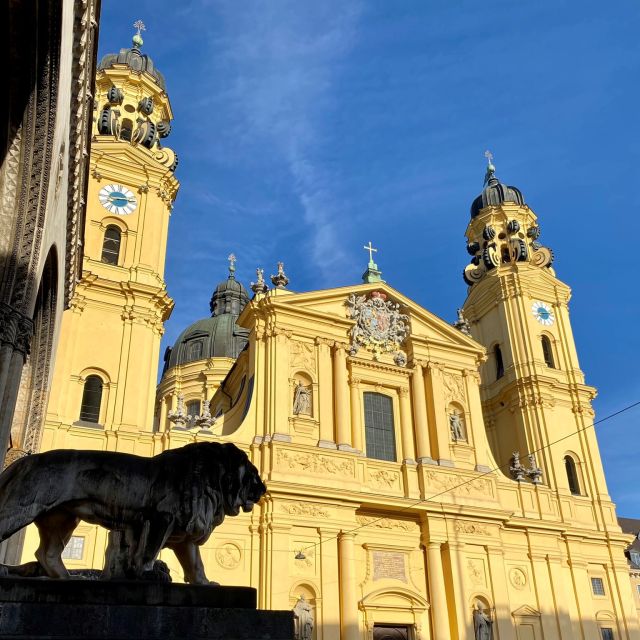
- Finish at Odeonsplatz: This historic square is the final stop on the two-hour walk.
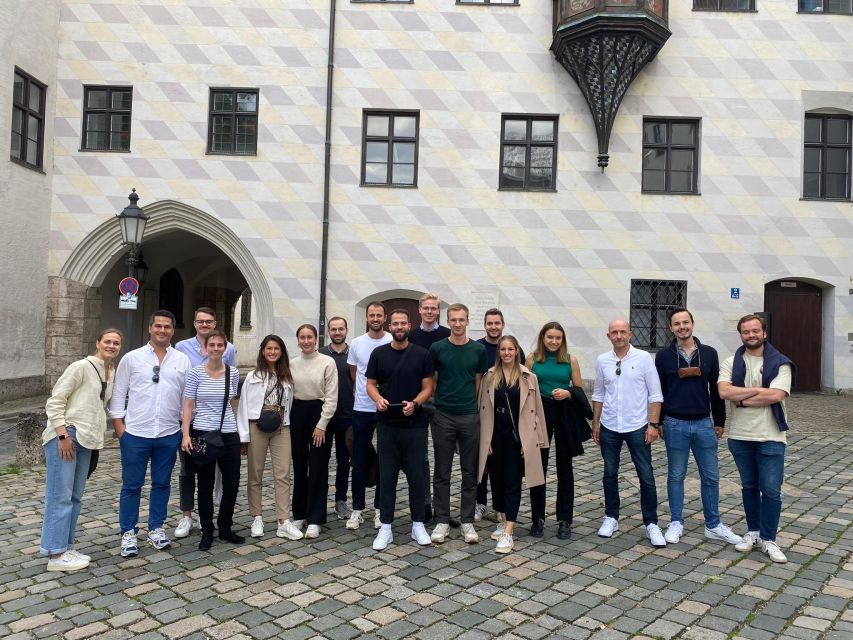
- Walk with Alex: Alex is a Munich local who brings archival images and welcomes questions, according to the tour’s description and participant feedback.
- Plan for German: The guide language is German, and the tour runs in any weather.
- Pay $28 per person: For two hours of guided history at original sites, that is a reasonable price if you want context rather than a self-guided stroll.
Why Munich’s resistance story belongs on your itinerary

Munich is often introduced through its role in the rise of National Socialism. The Nazi Party was founded here, and Hitler made early speeches in the city. This tour turns the focus toward the people who opposed that movement, and the moral choices they faced under a regime built on terror.
That shift in perspective matters. The resistance was not one single group or plan, and the tour covers several movements, some widely known and others less remembered. You get a clearer sense that opposition took different forms, from young people distributing ideas to individuals and military figures who tried to stop Hitler by force.
The subject is grave, and the tour does not pretend otherwise. But its emphasis is not only on tragedy. It also follows acts of courage and the people who imagined a different future for Germany, even when the personal cost could be death.
If you have already visited Munich’s major Nazi-era sites, this walk offers a different way to understand the city. Instead of tracing only the rise of the regime, you encounter the people who challenged it. If you are new to the subject, it provides a compact introduction grounded in actual places.
More Third Reich and WWII tours in Munich:
- Munich: Third Reich & WWII Walking Tour
★ 4.6 · 6,181 reviews - Third Reich Walking Tour Munich
★ 4.5 · 4,291 reviews - Munich: Birthplace of the Third Reich Guided Walking Tour
★ 4.6 · 771 reviews
Starting at LMU and meeting the White Rose
The walk begins at the large fountain in front of the main entrance to the University of Munich, also known as LMU. The address is Geschwister-Scholl-Platz 1. It is a practical meeting point, and it sets the tone: this is not a general city tour with a brief history stop tacked on. The university itself is central to the story.
The White Rose, Germany’s best-known resistance group, is among the tour’s main subjects. The group’s connection to the university gives the story a strong sense of place. Rather than hearing about resistance in the abstract, you begin in the setting where young people were prepared to speak out while many older people looked away.
Alex’s approach is especially useful if your knowledge begins and ends with the White Rose. The tour broadens the picture to include other acts of opposition, including events that receive less attention. Alex also uses historical images at relevant locations, an aid that can make a familiar façade or square more meaningful.
The university stop is a good reminder that resistance did not belong only to senior officers or political insiders. The youth story is one of the tour’s promised themes, and it is a striking counterpoint to the assumptions that everyone simply complied. You hear about people who took a risk at a time when doing so could have grave consequences.
From well-known names to lesser-known acts of defiance

A major strength of this walk is its range. The White Rose is a natural starting point for many visitors, but the route continues to resistance efforts that may be new to you. One participant from Munich, already comfortable with local history, said the tour still taught them a great deal. That is a useful sign that the material is not limited to a basic retelling.
Alex is described as deeply engaged with the subject and able to answer questions. That matters on a tour like this, where the obvious question is often what happened next, who knew, and why a particular action mattered. The conversation can help connect separate stories without making the walk feel like a list of dates.
You should expect a serious historical narrative rather than a light sightseeing circuit. The appeal is the detail: Alex’s historical knowledge, the less familiar episodes, and the images that help put people and events back into the places where they belong. The tour can also change the way you look at central Munich afterward. Buildings and squares that might otherwise seem like ordinary city scenery become part of a much more difficult history.
The lone bomb plot and the risk of acting alone
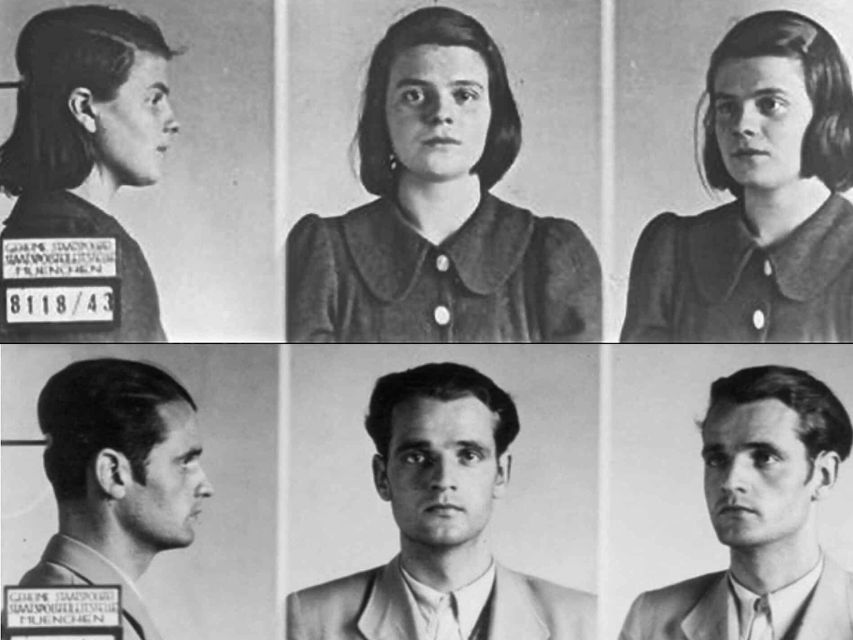
One of the tour’s most dramatic stories concerns a man who planned to kill Hitler with a bomb. The description presents him as a lone and courageous figure, and the experience highlights the place connected with his plan. This is a different kind of resistance from the collective activity associated with the White Rose or a military conspiracy.
That contrast helps the walk avoid treating resistance as a single, tidy movement. Some people worked with others; some acted on their own. Their methods, circumstances, and prospects differed, but each story reveals something about the danger of opposing a dictatorship from within it.
The tour’s highlight refers to the place where the man built his bomb, but it does not provide a detailed stop-by-stop itinerary or name every site in advance. If you want to know exactly which location will be shown, ask Alex when you meet or check with the provider before booking. The central value is not simply seeing a building; it is hearing the circumstances and stakes attached to it.
More walking tours in Munich:
- Munich: Old Town & Viktualienmarkt City Walk in German
★ 4.7 · 2,304 reviews - Munich: Night Watchman Walking Tour
★ 4.7 · 2,092 reviews - Munich Ghosts and Spirits Evening Walking Tour
★ 5.0 · 1,900 reviews - Munich Old Town Walking Tour
★ 4.5 · 1,287 reviews
The military plot and the former Central Ministry
The route also takes in a secret military plot against the Nazis and the original site of a dramatic coup attempt. The tour description mentions the former Central Ministry among the historic locations along the way. Together, these stops widen the story beyond students and individual conspirators to include people connected with the military and state structures.
That change in scale is valuable. It lets you compare different routes to resistance: public action, a private assassination plan, and a conspiracy involving military figures. You are not just asked to admire courage. You can also consider how hard it was to coordinate opposition when the regime controlled public life and punished dissent.
The available tour details do not identify every stop or spell out the full sequence of events, so I would not book expecting a technical military history lecture. Think of it instead as a guided account of key resistance movements, tied to original Munich locations. If you have a particular historical question, Alex’s willingness to answer questions is a reason to bring it along.
Ending at Odeonsplatz
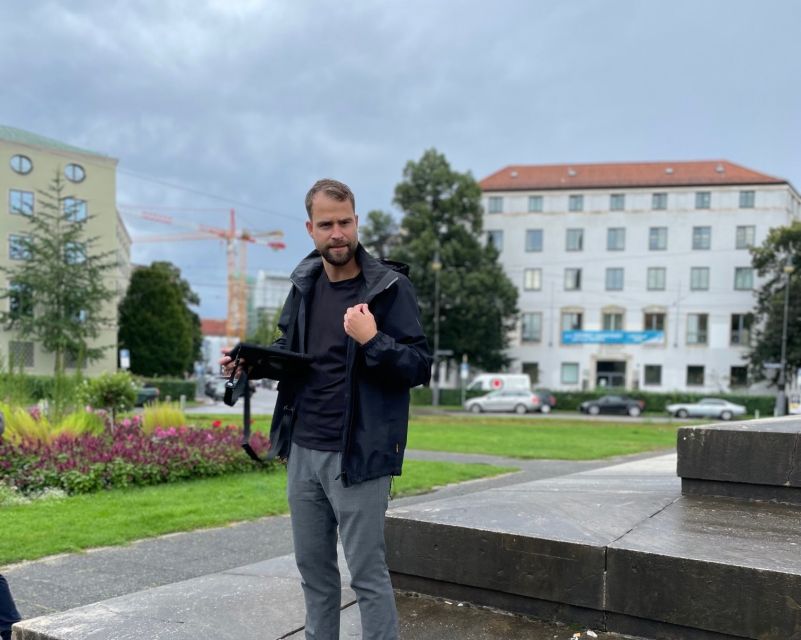
Odeonsplatz is the final stop of the two-hour walk. It is a fitting end to a tour about Munich’s complicated role in the Nazi period, and it gives the route a clear finish rather than leaving you to find your own way back to the starting point.
The square is also named as the original site of a dramatic military coup against the Nazis. The supplied information does not give more detail about that episode, so the precise story is best heard from Alex on the day. What matters for planning is that the walk closes here, not back at the university.
That is useful if you are planning the rest of your day in central Munich. You can build your schedule around an endpoint at Odeonsplatz, but allow a little breathing room afterward if you want to ask Alex more questions or follow up on a story. The tour’s personal recommendations for exploring Munich like a local may also help you decide what to see next.
What Alex’s guiding style adds
Alex is a Munich local with a passion for history. The strongest details about the guiding style are the combination of well-prepared storytelling, a relaxed atmosphere, and historical images shown at relevant locations. That last touch can be especially helpful on an outdoor walk, where a site may look very different from how it did during the events being discussed.
The tone is described as approachable without making a grave subject feel casual. That balance matters. A guide who can explain difficult history clearly, welcome questions, and still respect the seriousness of the topic can make a two-hour walk both informative and manageable.
Alex’s local perspective also adds practical value beyond the history. Personal recommendations for seeing Munich like a local are included, so you can use the meeting or finish point as a chance to ask for ideas. They are a bonus, not the main reason to book; the central draw is the resistance history and Alex’s way of bringing it to life.
Is $28 a fair price for two hours?
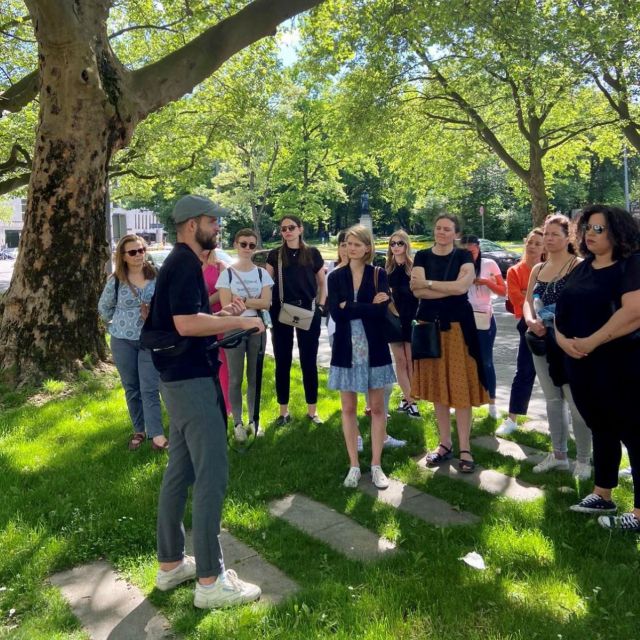
At $28 per person, the tour is a solid value if you want a guided account of Munich’s resistance movements. You are paying for two hours with a dedicated guide, a route through original historical locations, and context that would be hard to get from simply walking past the buildings on your own.
The value is strongest if you want to hear multiple stories in one sitting. The route moves from the White Rose to lesser-known resistance, a lone assassination plan, and a military conspiracy. Alex’s images and question-friendly approach add substance beyond a basic route description.
On the other hand, if you already know the stories well and prefer to explore at your own pace, you may get less from a guided walk. The tour is also in German, which is a deciding factor. There is no hotel pickup, so you need to make your own way to the LMU meeting point.
Practical details for a comfortable walk
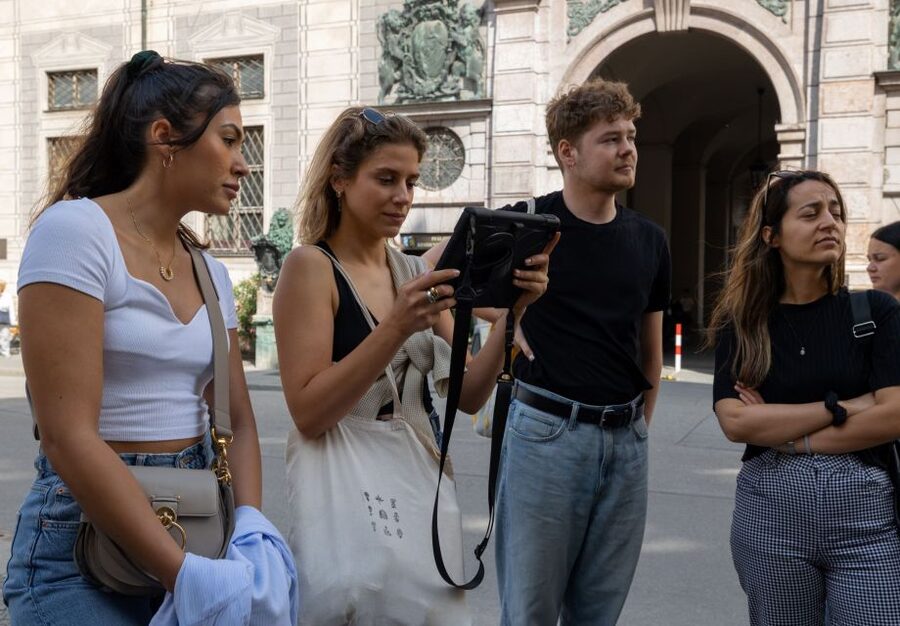
The walk lasts two hours and begins at the large fountain in front of LMU’s main entrance, at Geschwister-Scholl-Platz 1. It ends at Odeonsplatz. Check the available starting times before planning your day, and arrive ready to walk.
Wear comfortable shoes. The tour takes place rain or shine, so dress for the forecast and bring what you need to stay comfortable outdoors. The activity is listed as wheelchair accessible, but if you have specific access requirements, it is sensible to confirm the route details with the provider before booking.
The guide language is German. Free cancellation is available up to 24 hours in advance, and you can reserve now and pay later. Those flexible terms can help if you are still arranging your Munich plans, but the language and subject matter are the bigger considerations when deciding whether this walk is right for you.
Should you book the Munich resistance tour?
I would book this walk if you want to understand Munich through the people who resisted Hitler, not only through the history of the Nazi rise. Its best features are the varied stories, the original locations, and Alex’s mix of historical detail, archival images, and open conversation.
It is a particularly good fit if you already know the White Rose and want to learn about other forms of resistance. It may also suit you if you are new to the subject but want a focused, two-hour introduction rather than a broad city tour. Just be sure you can follow German and are comfortable walking in any weather.
If those points fit, $28 buys a thoughtful, place-based history lesson with a meaningful finish at Odeonsplatz. If you need an English-language tour, this is not the right option based on the information available.
FAQ
Where does the tour start?
It starts at the large fountain in front of the main entrance to the University of Munich, at Geschwister-Scholl-Platz 1.
Where does the walk finish?
The final stop is Odeonsplatz.
How long is the tour?
The walking tour lasts about two hours.
What language is the tour in?
The live guide speaks German.
How much does the tour cost?
The listed price is $28 per person.
Who leads the tour?
Alex, a Munich local with a passion for history, leads the walk.
Which resistance stories are covered?
The tour includes the White Rose, lesser-known resistance movements, a lone man’s bomb plot to kill Hitler, youth resistance, and a military conspiracy against the Nazis.
Is the tour wheelchair accessible?
The activity is listed as wheelchair accessible.
What should I bring, and does the tour run in rain?
Bring comfortable shoes. The tour takes place rain or shine.
More history tours in Munich
- Munich: Spooky Tour of Old Town in German
★ 4.6 · 1,112 reviews - Munich: Walking Tour Old Town and Viktualienmarkt
★ 4.7 · 839 reviews - Munich: Old Town Walking Tour
★ 4.7 · 589 reviews - Munich: Old Town Guided Walking Tour
★ 4.6 · 479 reviews
Just added in Munich
- Private day trip from Munich to Eagle’s Nest, Salzburg and back★ 4.5 · 15 reviews
- Private Castle Tour from Munich: Neuschwanstein, Hohenschwangau, and Linderhof★ 4.5 · 12 reviews
- Private Eagle’s Nest Tour from Munich ending in Salzburg★ 5.0 · 8 reviews
- Private day trip from Munich to Salzburg and Hallstatt★ 4.5 · 17 reviews
- Private Day Trip from Munich to Neuschwanstein and Linderhof★ 4.0 · 11 reviews
- Private Day Trip from Munich to Eagle’s Nest and Hallstatt★ 4.5 · 9 reviews
- Private Day Trip Munich to Harburg, Dinkelsbuhl & Rothenburg★ 4.5 · 24 reviews
- Private day trip from Munich to Eagle’s Nest and Salzburg★ 4.5 · 9 reviews
Munich Third Reich Tours, compared.

Munich World War II Sites Including Dachau Concentration Camp
Read our review →
Munich City Walking Tour, includes Third Reich & Viktualienmarkt
Read our review →
Munich 3-Hour Segway Tour: Nazi Munich & Royal Architecture
Read our review →
Dachau Concentration Camp Memorial Site And Third Reich Day Tour From Munich
Read our review →
Eagle’s Nest-Berchtesgaden-Obersalzberg Private Half Day WWII Historical Tour
Read our review →Browse the lists this tour appears in