

Reviewed · MUNICH THIRD REICH TOURS
Munich: Third Reich & WWII Walking Tour
Munich’s streets tell a hard story: after World War I, political upheaval and economic distress helped create the conditions in which Hitler’s movement took hold. This 165-minute walk links that history to real places, from the Hofbräuhaus, where the movement held an early mass meeting, to Königsplatz, a site of party rallies. I like that the route connects political events to the city around you, and that it also makes room for the White Rose resistance.
I also like the attention guides bring to the subject. Guides including Michael, Steve, Alex, Josh, and Danielle are praised for clear storytelling, thoughtful answers, and a respectful tone. One consideration: this is an outdoor tour on a serious subject, so allow nearly three hours on your feet and dress for the weather. In winter, bring warm layers as well as comfortable shoes.
- Hofbräuhaus puts the movement in context: Learn about an early mass meeting and the climate that helped Nazism take root in Munich.
- The Feldherrnhalle marks a failed seizure of power: The stop connects the city’s streets to Hitler’s attempt to take control.
- Königsplatz brings the rallies into view: Hear how the square was used by the Nazi Party.
- The White Rose offers a counterpoint: A stop in the Hofgarten shifts attention to resistance within Germany.
- Guides shape the experience: Expect a spoken history lesson with time for questions, not a museum visit.
- Plan for weather and walking: The tour lasts about 2 hours and 45 minutes, with frequent stops along the way.
Why Munich matters to this story
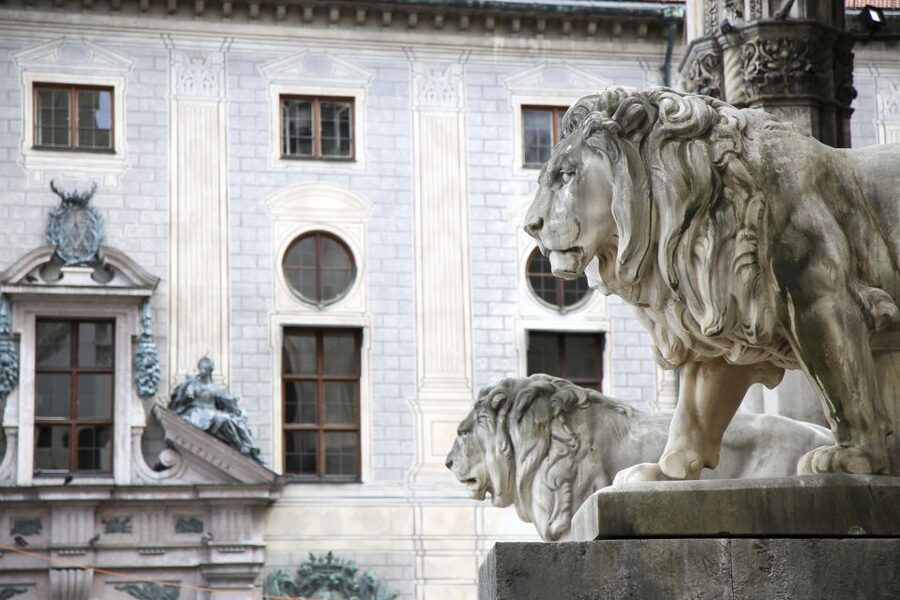
Munich is not simply a convenient backdrop for a tour about Hitler. In the years after World War I, Germany was defeated and humiliated, while Bavaria faced revolution and political killings. Hyperinflation added to the strain. The tour uses this unsettled period to explain how the Nazi movement developed in the city and how Hitler rose to power.
That context is useful because it keeps the story from becoming a checklist of dates and notorious names. As you move between sites, you can connect political upheaval to specific places where the movement gathered, tried to seize power, and later staged rallies. The walk also traces the consequences of that history, including the destruction of Munich and the deep wounds World War II left across Germany.
This is a difficult subject, and the purpose is not to make it feel dramatic for its own sake. A good guide can help you understand how events unfolded and why the city played such a central role. The tone is expected to be serious, but the best guides also make the history clear and approachable, with anecdotes and answers that help you follow complex events.
From the Hofbräuhaus to the Feldherrnhalle
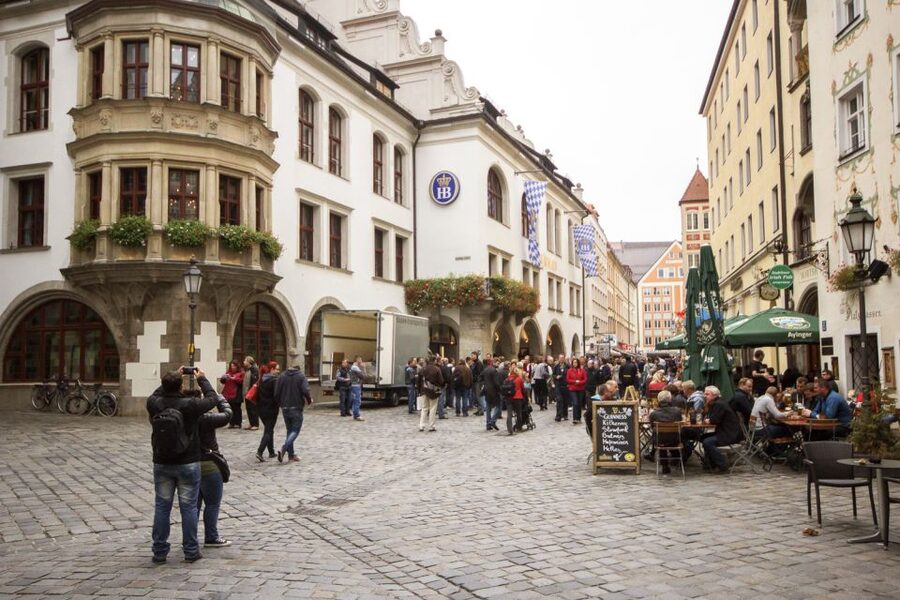
The route begins its account of the Nazi movement at the Hofbräuhaus, identified as the site of its first mass meeting. That detail makes the stop more than a famous Munich address: it anchors the early movement in the city’s everyday public life. You’ll hear about the postwar conditions in Bavaria and how a small political movement grew in a time of instability.
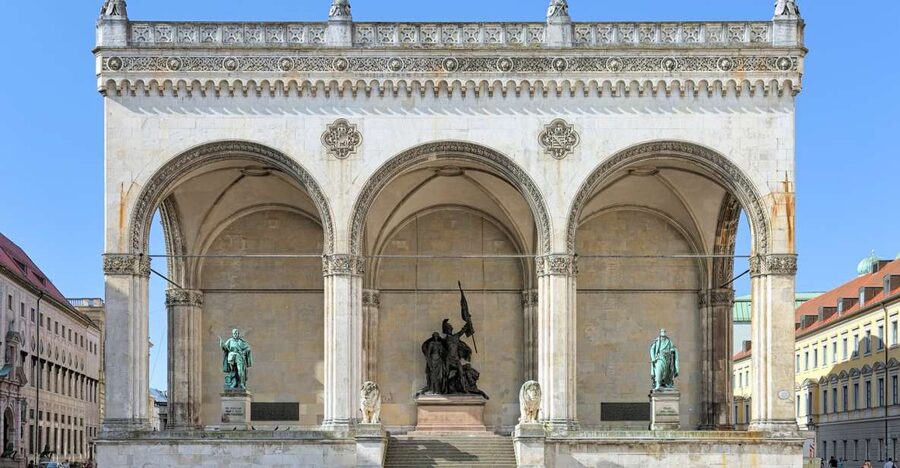
From there, the tour follows the movement across Munich toward the Feldherrnhalle, the site associated with Hitler’s failed attempt to seize power. The stop helps give that failed coup a physical setting. Rather than learning about it only as a chapter in a book, you can stand in the place tied to the event and hear how it fits into the larger rise of the Nazis.
The tour is a walking lesson, not an indoor exhibition. Your guide’s account does much of the work, so being able to hear and stay attentive matters. Guides such as Josh and Steve are often praised for projecting their voices and keeping a group engaged, but conditions can vary. If the street is noisy, position yourself close enough to hear comfortably.
More Third Reich and WWII tours in Munich:
- Third Reich Walking Tour Munich
★ 4.5 · 4,291 reviews - Munich: Birthplace of the Third Reich Guided Walking Tour
★ 4.6 · 771 reviews - Munich World War II Sites Including Dachau Concentration Camp
★ 4.5 · 570 reviews
At Königsplatz, history occupies public space
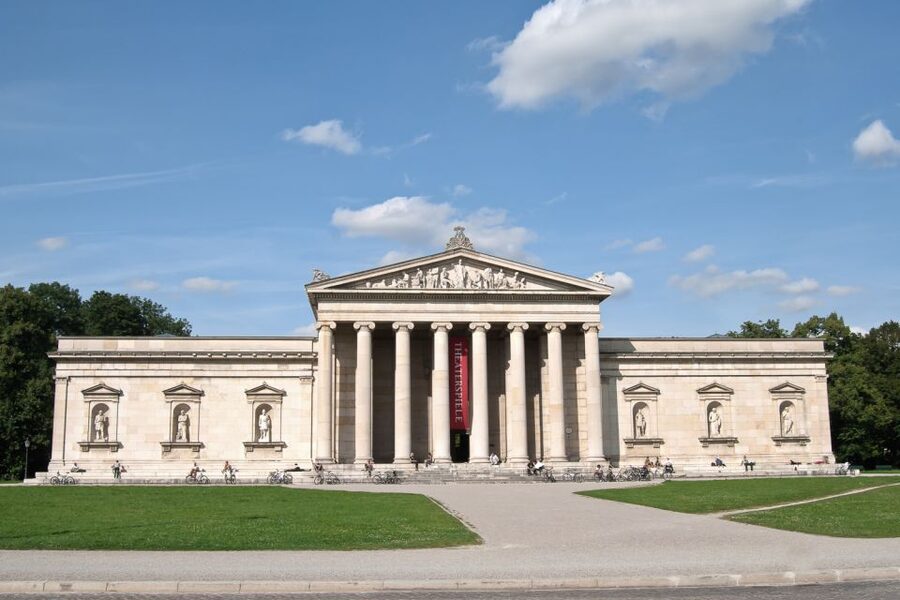
Königsplatz is one of the tour’s key stops because it served as a site for Nazi Party rallies. The square helps explain how the movement used public space to present power and stage political events. Hearing that history on location can make the scale and setting easier to grasp than a timeline alone.
The stop also underlines a useful distinction: the Nazi rise was not a single event. The tour follows its growth across the city, moving from early meetings to an attempted seizure of power and then to large public rallies. That sequence gives you a framework for the rest of your time in Munich, including a visit to the city’s documentation center if you choose to continue learning afterward. One visitor used the tour’s finish near the center to make that an easy next stop, but the meeting point can vary by booking option, so check your details rather than assuming a particular ending.
There is one practical point here. A large group or a noisy crowd can make a spoken tour harder to follow. The experience depends on listening as you stand outdoors, so arriving ready to focus will help you get more from the guide’s explanations.
The Hofgarten and the White Rose
The stop in the Hofgarten turns the story toward the White Rose Resistance Movement. After hearing about the growth of Hitler’s movement and the use of public squares for rallies, this part of the tour introduces a different kind of political action: resistance.
That contrast gives the walk a broader purpose. The tour is not only about how Nazism took root, but also about the fact that people opposed it. You can expect the guide to explain the White Rose in the context of Munich’s wartime history. The available tour details do not name specific people or promise a particular memorial, so think of this as a guided historical stop rather than a visit to a dedicated indoor exhibit.
The Hofgarten stop can also offer a change of pace after several sites tied to the Nazi movement. It gives you space to consider the choices people faced under dictatorship and why resistance matters when studying this period.
What the guides add
The guide is central to the value of this tour. The route covers a serious, complex subject in less than three hours, and a clear narrator helps connect names, places, and events without turning the walk into a string of disconnected facts.
Different departures may have different guides. Michael, Steve, Alex, Josh, Danielle, Florian, Ulrich, Aileen, and Brigit are among the names associated with this tour. They are praised for historical command, strong delivery, and willingness to answer questions. Josh is noted for setting expectations at the start and holding a group’s attention; Steve for explaining difficult material clearly and taking extra care in cold weather; Alex for being approachable and ready to answer questions. These are useful qualities for a tour where the subject can be demanding and the guide’s voice carries the experience.
Do not book on the assumption that you will get one particular guide. Instead, expect a live guide in English or German, with the precise person depending on your selected departure. If you have a detailed interest in the history, bring questions. Guides have been described as willing to go into depth, though time and group conditions will shape how much discussion is possible.
More walking tours in Munich:
- Munich: Old Town & Viktualienmarkt City Walk in German
★ 4.7 · 2,304 reviews - Munich: Night Watchman Walking Tour
★ 4.7 · 2,092 reviews - Munich Ghosts and Spirits Evening Walking Tour
★ 5.0 · 1,900 reviews - Munich Old Town Walking Tour
★ 4.5 · 1,287 reviews
Pace, weather, and what to bring
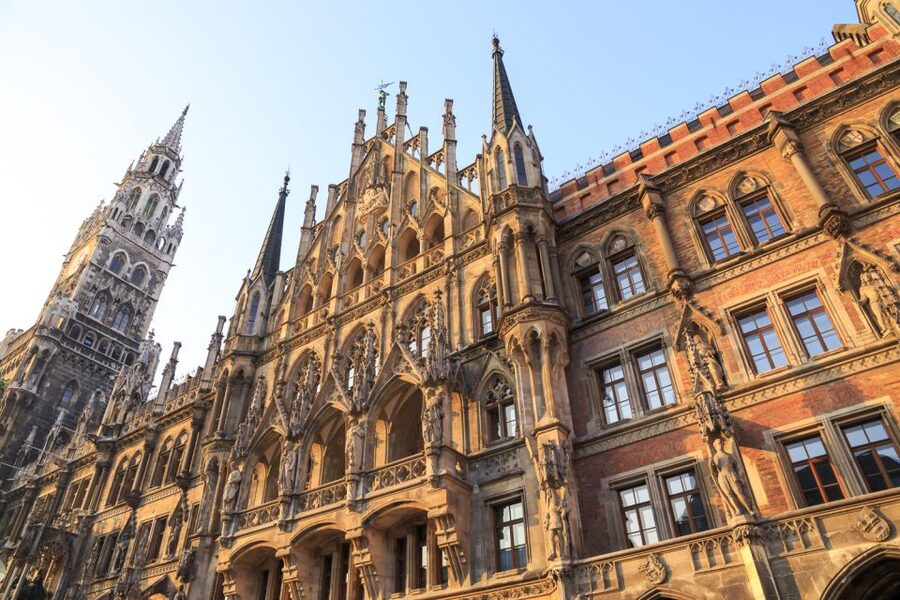
The tour is advertised as 2.5 hours or 165 minutes, and the description also gives a duration of 2 hours and 45 minutes. Plan for the longer figure. You’ll be outdoors for most of that time, walking between stops and listening to explanations, rather than spending the whole visit in motion. Guides are reported to stop often, which helps break up the walk, but you should still be comfortable standing.
Comfortable shoes are the one essential item listed, and they are good advice for any city walk. In cold or wet weather, add warm clothing and suitable outerwear. Winter departures can be especially chilly. Some guides have brought tea and small seating pads on cold, snowy days, but treat that as an individual guide’s extra care, not something you can count on.
The tour is wheelchair accessible, according to the activity details. If you have a particular access concern, check the meeting point and route information for your chosen option before booking, since the meeting point may vary.
Is $31 good value?
At $31 per person, the price buys a guided route through several sites central to Munich’s Nazi-era history, plus nearly three hours of explanation. The value is strongest if you want context and storytelling: the guide connects the Hofbräuhaus, Feldherrnhalle, Königsplatz, and Hofgarten into one account rather than leaving you to piece together their significance on your own.
You are not paying for an indoor collection or a long list of included extras. The stated inclusion is the guided tour. For a visitor with a serious interest in World War II or German history, the site-to-site structure and opportunity to ask questions can make the price worthwhile. If you prefer to explore at your own pace, or want a visit built around exhibits, this walk may be less satisfying as a stand-alone activity.
The subject is another part of the value calculation. This is a history tour about dictatorship, resistance, war, and destruction, not a light introduction to Munich. It can add depth to a city visit, but it asks for attention and a willingness to spend part of your day with difficult material.
Who should book this walk?
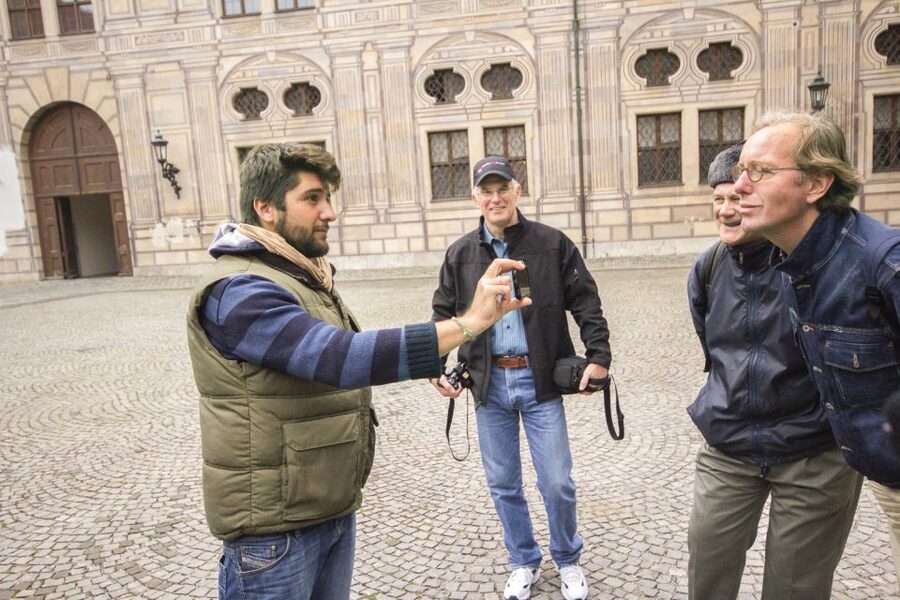
I’d recommend it to you if you want to understand why Munich is so closely tied to the rise of Nazism, and you learn best by linking history to places. It suits first-time visitors, history-minded families, and people who want a guided introduction before visiting a museum or documentation center. You do not need to arrive as a specialist; the tour is designed to explain the story on the ground.
It may not be the right choice if you want a short, casual stroll or a mostly indoor activity. The tour is nearly three hours, the topic is heavy, and weather can affect your comfort. If you have limited time, consider whether you can give the walk your full attention rather than squeezing it between other plans.
Should you book?
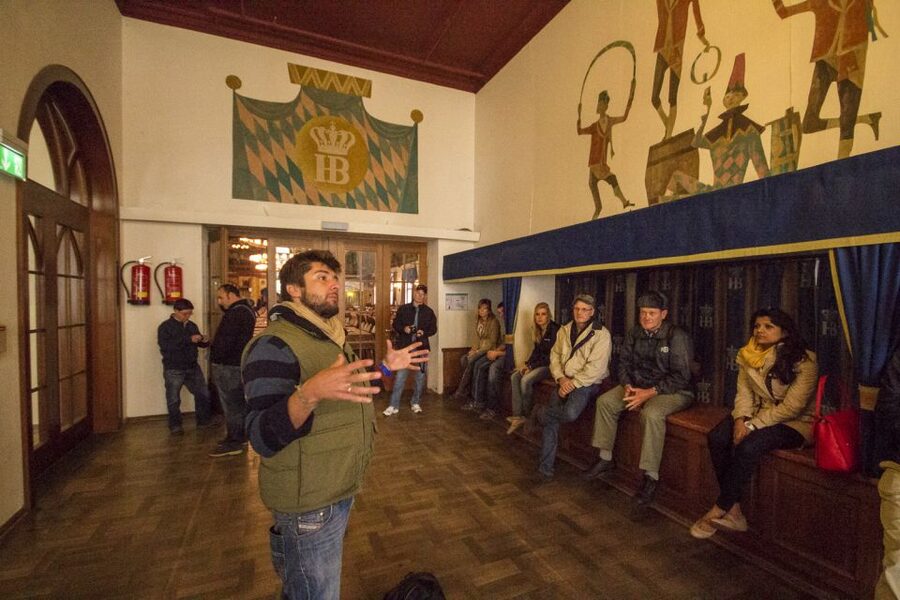
Book this tour if you want a thoughtful, place-based account of Hitler’s rise in Munich, including both the growth of the movement and the White Rose resistance. The strongest reason to go is the guide-led connection between history and specific city sites. Wear comfortable shoes, dress for the forecast, and check your selected meeting point before setting out. At $31, it is a worthwhile use of time for anyone who wants more than a quick overview of Munich’s darkest chapter.
FAQ
How long is the tour?
The stated duration is 2.5 hours, or 165 minutes. The tour description also calls it 2 hours and 45 minutes, so plan for about that long.
How much does the tour cost?
The listed price is $31 per person.
What languages are available?
The live tour guide speaks English or German. Check availability for the language and starting time you want.
Which places does the tour visit?
The tour covers the Hofbräuhaus, Feldherrnhalle, Königsplatz, and the Hofgarten, where you’ll hear about the White Rose Resistance Movement.
Is the tour wheelchair accessible?
Yes. The activity information describes the tour as wheelchair accessible.
What should I bring, and can I cancel?
Bring comfortable shoes. You can cancel up to 24 hours in advance for a full refund, and the activity offers a reserve-now, pay-later option.
Just added in Munich
- Private day trip from Munich to Eagle’s Nest, Salzburg and back★ 4.5 · 15 reviews
- Private Castle Tour from Munich: Neuschwanstein, Hohenschwangau, and Linderhof★ 4.5 · 12 reviews
- Private Eagle’s Nest Tour from Munich ending in Salzburg★ 5.0 · 8 reviews
- Private day trip from Munich to Salzburg and Hallstatt★ 4.5 · 17 reviews
- Private Day Trip from Munich to Neuschwanstein and Linderhof★ 4.0 · 11 reviews
- Private Day Trip from Munich to Eagle’s Nest and Hallstatt★ 4.5 · 9 reviews
- Private Day Trip Munich to Harburg, Dinkelsbuhl & Rothenburg★ 4.5 · 24 reviews
- Private day trip from Munich to Eagle’s Nest and Salzburg★ 4.5 · 9 reviews
Munich Third Reich Tours, compared.
Munich World War II Sites Including Dachau Concentration Camp
Read our review →
Munich City Walking Tour, includes Third Reich & Viktualienmarkt
Read our review →
Munich 3-Hour Segway Tour: Nazi Munich & Royal Architecture
Read our review →
Dachau Concentration Camp Memorial Site And Third Reich Day Tour From Munich
Read our review →
Eagle’s Nest-Berchtesgaden-Obersalzberg Private Half Day WWII Historical Tour
Read our review →Browse the lists this tour appears in